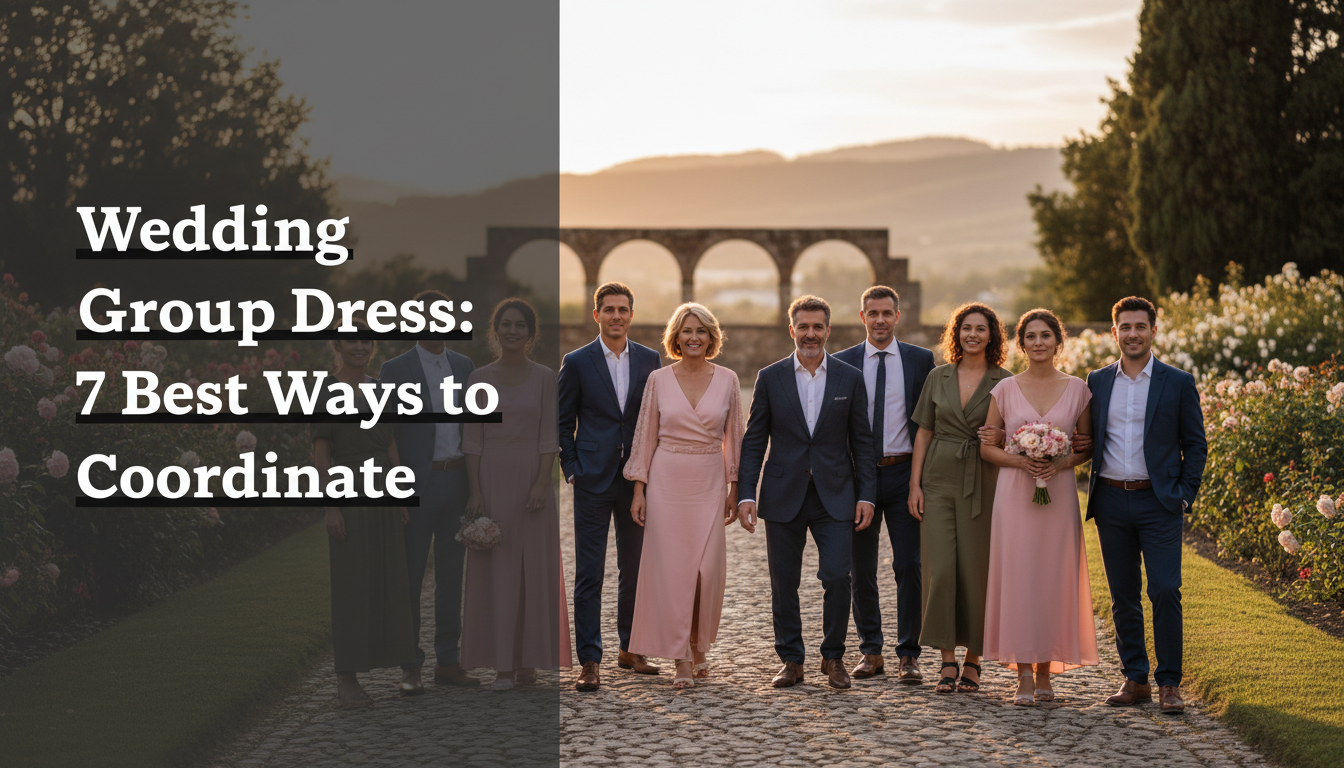
Struggling to style your bridal party without making everyone look like a carbon copy? You want a look that’s cohesive and beautiful for your wedding group dress, but the thought of forcing everyone into the same exact dress feels outdated and impersonal. It’s a challenge to find that perfect balance between a unified aesthetic and individual style.
The key to a modern wedding group dress code is coordination, not exact matching. Focus on a unified color palette, complementary fabrics, or a consistent style element to create a cohesive and visually interesting look that allows each member of the bridal party to wear a flattering and comfortable silhouette. This approach celebrates individuality while maintaining a polished, intentional group aesthetic.
Drawing from comprehensive analysis of current data and proven styling methodologies, this guide breaks down the expert-approved strategies for coordinating your bridal party. The core principle is the ‘Wedding Party Ensemble’—a collection of outfits that work together harmoniously. You’ll discover 7 actionable ways to achieve a high-end, personalized look for your entire wedding group.
How Do You Coordinate a Wedding Group Dress for a Modern, Elegant Look?
The modern philosophy for a wedding group dress has gracefully moved beyond the tradition of identical, one-style-fits-all dresses. Today, the focus is on creating a ‘coordination over duplication’ aesthetic that results in a more dynamic, personal, and visually rich look for your bridal party attire. This approach, often called the mix and match method, allows you to build a cohesive theme using shared elements like a color family or fabric type, while giving individuals the freedom to choose silhouettes that offer a flattering fit. It’s about crafting a unified story where each person is a complementary chapter, not a repeated sentence. This strategy not only leads to happier and more comfortable bridesmaids but also results in stunningly artistic wedding photos that feel authentic and full of personality. Before you start, consider a quick checklist: set a clear budget, decide on a core color family, and don’t be afraid to poll your party for their preferences.
7 Best Ways to Coordinate Your Wedding Group Dress in 2026
Achieving a beautifully coordinated look for your wedding group is easier than you think. It’s about choosing one or two unifying elements and letting the rest vary to suit your party’s individual styles. This section provides seven distinct and actionable strategies, or “recipes,” for creating a stunning and cohesive wedding group dress aesthetic. From playing with tonal shades of a single color to mixing luxurious textures like satin and velvet, each method offers a unique way to express your wedding vision. These stylist approved techniques will help you curate a bridal party collection that looks polished, modern, and perfectly put together, whether you’re styling bridesmaids, groomsmen, or the entire wedding party.
1. Style the Classic “Mix and Match” with One Color, Many Silhouettes

Pin this elegant idea to your ‘Bridal Party Style’ board!
This is the most popular and foolproof way to execute mix and match bridesmaid dresses. The concept is simple but incredibly effective: you choose one unifying color and fabric, and then let each member of your bridal party select a different silhouette (neckline, sleeve style, etc.) that they feel most confident in. This approach guarantees a cohesive look while celebrating individuality and ensuring a flattering fit for every body type. The result is a bridal party collection that appears harmonious and intentional, yet dynamic and personal, making for beautiful group photos and a happy wedding party.
Key Elements
- One Unifying Color: A swatch of a single, consistent color (e.g., Emerald Green, Dusty Rose).
- Varied Silhouettes: A list of 4-6 different dress styles (e.g., Halter Neck Maxi, Strapless Midi, Cowl Neck Gown, One-Shoulder Dress).
- Consistent Fabric: A specific material to tie it all together, such as satin, chiffon, or crepe.
- Matching Accessories (Optional): A specific style of shoe or piece of jewelry to add another layer of cohesion.
Styling Tips
- Choose a Core Color: Select a single color that complements your wedding theme and is flattering on a range of skin tones. Order swatches to see the color in different lighting.
- Select a Silhouette Range: Offer your bridal party a curated selection of 4-6 different dress styles from the same designer or collection to ensure the color matches perfectly.
- Encourage Individual Choice: Allow each person to choose the style they feel most confident and comfortable in. This is key to a happy wedding group.
- Unify with a Single Element: Ensure the fabric is identical across all dresses. This creates a strong visual connection even with the varied styles.
Pro-Tip: For the most cohesive look, choose dresses from the same brand. Dyes can vary significantly between manufacturers, and a “dusty blue” from one brand might not match another’s. This also simplifies the home try-on process for your group.

2. Design a Tonal Palette with One Color Family, Different Shades

Love this ombre look? Pin it to your ‘Wedding Color Palette’ board!
For a high-fashion, visually dynamic aesthetic, consider designing a tonal or “ombre” palette. This method involves selecting one core color family (like blues, pinks, or greens) and choosing several different shades within that family for your group to wear. To maintain a sense of unity, it’s best to keep either the dress style or the fabric consistent for everyone. A light and airy fabric like chiffon is particularly beautiful for this look, as it allows the subtle color variations to shine. This approach, rooted in color theory coordination, creates a stunning gradient effect that adds incredible depth and sophistication to your wedding photos.
Key Elements
- A Core Color Family: Choose one central color (e.g., Pink, Blue, Green).
- Tonal Shade Swatches: Select 3-5 different shades within that family (e.g., for Pink: Petal, Blush, Dusty Rose, Mauve).
- A Consistent Dress Style OR Fabric: To maintain unity, either the silhouette or the material should be the same for everyone. Chiffon works beautifully for this look.
- A Planned Arrangement: A list of who will wear which shade.
Styling Tips
- Build Your Palette: Start with your main wedding color and find lighter and darker shades within the same family. Most bridesmaid dress websites offer shades that are designed to be worn together.
- Decide on a Unifying Element: To prevent the look from becoming chaotic, choose either a single dress style for everyone or a single fabric (like chiffon or crepe).
- Assign Colors Thoughtfully: You can assign colors randomly for an eclectic feel, or strategically to create an ombre effect in photos. Consider skin tones when assigning shades.
- Inform Your Photographer: Give your wedding photographer a heads-up about your tonal plan so they can arrange the group for stunning gradient shots.
Pro-Tip: When creating a tonal palette, stick to the same fabric type. A satin blush will reflect light very differently than a chiffon blush, which can disrupt the cohesive look you’re aiming for.

3. Weave a Story with Mixed Textures in a Single Color

Obsessed with this texture play? Save it to your ‘Winter Wedding Ideas’ board!
To create a rich, luxurious look with incredible visual depth, try mixing different fabric textures within a single color. This advanced technique is particularly stunning for a fall or winter wedding guest group. Imagine a bridal party in a deep burgundy, with some members in gleaming satin, others in plush velvet, and perhaps one with delicate beaded or sequin details. The uniform color ensures the look is cohesive, while the varied textures create a tactile and sophisticated story. This method demonstrates a keen eye for detail and an understanding of advanced styling principles, like how fabric weight (GSM) and drape contribute to the overall aesthetic.
Key Elements
- A Single, Rich Color: A deep, saturated color like burgundy, emerald, or navy works best to showcase textural differences.
- A Curated Fabric Selection: Choose 2-3 complementary fabrics. Classic pairings include satin + velvet, or crepe + sequin.
- Cohesive Dress Length: Keeping all dresses maxi or midi length helps to unify the varied textures.
- A Balance of Textures: A list of how many people will wear each fabric (e.g., 3 in satin, 2 in velvet).
Styling Tips
- Select a Deep Color: Rich colors make the difference in sheen and texture more apparent.
- Pair Textures Wisely: Don’t mix too many. Stick to two or three. A great rule of thumb is to pair a high-sheen fabric (satin, sequins) with a matte or plush one (crepe, velvet).
- Distribute Textures Evenly: For group photos, avoid having all of one fabric on one side. Mix them throughout the line-up for a balanced look.
- Consider the Season: This method is perfect for cooler months. Velvet and heavier satins are ideal for a winter wedding group, while mixing chiffon and crepe is better for summer.
Pro-Tip: Pay close attention to the undertones of your chosen color across different fabrics. A “burgundy” in velvet might have a warmer, browner undertone, while a satin “burgundy” could be cooler and more purple. Always order swatches to ensure the colors truly coordinate.

4. Create a Focal Point with Prints and Solids

Pin this beautiful print mixing idea for your spring wedding!
Incorporating a pattern is a beautiful way to add personality and a touch of whimsy to your bridal party, perfect for a boho or romantic garden wedding. The key to making this work is to not overwhelm the eye. The most successful approach is to choose one “hero” print—often a floral dress for the Maid of Honor—and then select solid-colored dresses for the rest of the group that pull hues directly from the pattern. This ensures the solid dresses perfectly match specific colors within the print, which creates a thoughtful, cohesive, and effortlessly stylish look. It’s a fantastic way to honor your Maid of Honor while creating a memorable visual theme.
Key Elements
- One “Hero” Print Dress: A floral, toile, or geometric print dress to act as the centerpiece.
- Solid Color Swatches: 2-3 solid colors pulled directly from the colors present in the print.
- A Common Dress Length: Keeping all dresses maxi or midi will help the different colors and print feel connected.
- A Plan for Who Wears What: Typically, the Maid of Honor wears the print, but you can assign it to two people for a larger group.
Styling Tips
- Find Your Print First: Fall in love with a printed dress, then build the palette around it. This is much easier than trying to find a print that matches pre-selected solid colors.
- Pull Colors from the Print: Identify 2-3 of the main colors in the print. These will be the colors for your solid dresses.
- Assign the Print Strategically: Giving the print to the Maid of Honor is a wonderful way to make her feel special. Alternatively, give it to the two bridesmaids standing at either end of the line-up for a “bookend” effect.
- Keep Bouquets Simple: When using prints, opt for simpler, often single-flower or greenery-focused bouquets to avoid visual clutter.
Pro-Tip: This method is fantastic for a destination beach wedding or a garden party theme. The key is to ensure the solid-colored dresses are the exact shade from the print. Use the fabric from the printed dress as your master swatch when shopping.

5. Play with Lengths: The High-Low Hemline Approach

A modern take on group style! Pin this for your city wedding inspiration.
If your style leans more traditional but you still crave a touch of modern flair, varying the hemlines is a brilliant and subtle solution. This method involves keeping the dress style, color, and fabric completely identical, but offering a choice of different lengths. For example, some bridesmaids might wear a maxi version of a dress, while others opt for a chic midi or tea length cut. This approach offers a unique visual rhythm and a contemporary twist while still feeling very uniform and put-together. It acknowledges different comfort levels with dress lengths and is a perfect compromise for satisfying both classic and modern tastes within a single wedding group.
Key Elements
- One Identical Dress Style: A single dress design in one specific color (e.g., a black strapless A-line dress).
- A Selection of Lengths: Offer 2-3 length options, such as maxi (floor-length), tea length (mid-calf), and cocktail or knee length.
- Unified Accessories: To make the concept clear, have everyone wear the same shoes or carry the same clutch.
- A Plan for Arrangement: Decide if you want to alternate lengths in photos or create a high-low wave effect.
Styling Tips
- Confirm Formality: This method works best for semi-formal or cocktail attire dress codes. For a black-tie wedding, you should stick to floor-length gowns for everyone.
- Find a Versatile Style: Look for designers that offer the exact same dress style in multiple lengths. This is the easiest way to ensure a perfect match in color and fabric.
- Alternate for Visual Interest: In photos, arrange the group by alternating lengths (e.g., long, short, long, short). This creates a dynamic visual rhythm.
- Showcase Great Shoes: The shorter lengths provide a great opportunity to show off a statement shoe, which can be another unifying element for the group.
Pro-Tip: This is a fantastic solution for a wedding group with diverse ages, such as including junior bridesmaids. The younger members can wear a more age-appropriate knee-length version while the adults wear the midi or maxi styles.


6. Embrace a Bold Two-Tone Color Palette

A bold and beautiful idea! Pin this two-tone palette for your fall wedding.
For those with a larger bridal party or a love for bold, editorial style, a two-tone color palette makes a stunning visual impact. This involves choosing two distinct yet complementary colors and splitting the group between them. For instance, half the bridesmaids could wear a rich rust orange, while the other half wears a deep navy blue. Based on color theory, this creates a sophisticated color-blocked effect that is modern and unforgettable. To keep the look cohesive, the dress style and fabric should be identical for everyone. This is also a fantastic way to visually link the bridesmaid + groomsmen attire, creating a truly integrated wedding party look.
Key Elements
- Two Complementary Color Swatches: A pair of colors that look beautiful together, such as navy and rust, or blush and burgundy.
- A Consistent Style: All dresses should be the same style and fabric to let the color blocking be the star of the show.
- A Division Plan: A list of who will wear which of the two colors.
- Coordinating Bouquets: Bouquets that incorporate flowers in both of the chosen colors to tie the two groups together.
Styling Tips
- Choose Your Colors Carefully: Use a color wheel to find complementary colors (opposites on the wheel, like blue and orange) or analogous colors (next to each other, like pink and red) for a harmonious look.
- Divide the Group Evenly: This look works best with an even number of bridesmaids, splitting them down the middle. For an odd number, consider putting the Maid of Honor in a third, neutral color like champagne.
- Coordinate with Groomsmen: This is a perfect opportunity for advanced coordination. Have the groomsmen wear ties that match one set of the bridesmaid dresses for a truly integrated wedding party look.
- Plan Your Photos: Talk to your photographer about creative ways to shoot the two color groups—separately and together—to create dynamic, editorial-style images.
Pro-Tip: This method is especially powerful in many cultures that celebrate with vibrant colors, and is a great option for a wedding party ethnic dress code where multiple bold colors are part of the tradition.

7. Modernize with a Mix of Dresses and Jumpsuits

So chic! Pin this fashion-forward idea to your ‘Modern Wedding’ board.
For the ultimate fashion-forward statement, break from tradition entirely by mixing dresses with chic, tailored jumpsuits. This option is perfect for the modern bride who values both design + comfort. To keep the look sophisticated and intentional, it’s crucial to unify the group with a single color (like black, ivory, or a deep jewel tone) and an identical fabric, such as a high-quality crepe. This ensures the dresses and jumpsuits look like they belong to the same curated collection. Offering a jumpsuit is a wonderfully inclusive choice, providing a comfortable bridesmaid option for those who prefer not to wear a dress.
Key Elements
- A Single, Neutral Color: Crisp white, ivory, or black works best to keep this look sleek and intentional.
- Coordinating Silhouettes: Choose dresses and jumpsuits with a similar feel (e.g., all minimalist and structured, or all soft and flowy).
- Identical Fabric: Using the same fabric, like a heavy crepe or satin, is essential to make the dresses and jumpsuits look like they came from the same collection.
- A Plan for the Mix: Decide how many people will wear jumpsuits (e.g., maids-of-honor only, or half the group).
Styling Tips
- Keep it Simple: This look is inherently bold, so keep the styling simple. A single color and fabric is the most effective approach.
- Prioritize Tailoring: A perfect fit is crucial for a jumpsuit. Ensure everyone who chooses a jumpsuit budgets for professional alterations to get the length and fit just right.
- Offer it as a Choice: Some people may not feel comfortable in a jumpsuit. The best way to implement this idea is to offer both a dress and a jumpsuit option in the same color/fabric and let your party choose.
- Unify with Accessories: Use identical shoes, earrings, or hairstyles to tie the two different garment types together visually.
Pro-Tip: A chic jumpsuit is the ultimate re-wearable bridesmaid outfit. It’s a fantastic, sustainable choice and doubles perfectly as a wedding after-party dress or an outfit for another special occasion. This highlights both design + comfort.

Key Takeaways: Your Quick Guide to a Coordinated Wedding Group Dress
- Embrace “Mix and Match” Over Identical: The most modern approach is to choose a single color and fabric, but allow different dress silhouettes to ensure a flattering fit for everyone.
- Play with Tonal Palettes: Create a sophisticated, high-fashion look by selecting different shades within the same color family. This creates a beautiful “ombre” effect in photos.
- Mix Textures for Depth: For fall or winter weddings, create a rich, tactile look by using a single color across different fabrics like satin and velvet.
- Use Prints as an Anchor: Introduce a floral or patterned dress for the Maid of Honor and pull solid colors from that print for the other bridesmaids for a perfectly coordinated, boho style.
- Vary the Hemlines: For a subtle twist on tradition, keep the dress color and style the same but offer different lengths, such as maxi, midi, and knee length.
- Go Bold with a Two-Tone Palette: For larger bridal parties, divide the group into two complementary color blocks for a dramatic, editorial-worthy statement.
- Incorporate Modern Jumpsuits: For a truly fashion-forward bridal party, offer a mix of chic dresses and tailored jumpsuits in the same color and fabric.
FAQs About Wedding Group Dress Coordination
What are trending bridesmaid colors for 2026?
For 2026, trending bridesmaid colors focus on earthy, sophisticated tones and rich, moody hues. Expect to see a lot of terracotta, rust, sage green, and dusty blue for a natural look. For more formal or winter weddings, deep jewel tones like emerald green, burgundy, and classic navy remain a timeless, stylist approved choice.
Should wedding party dresses match exactly?
No, modern wedding etiquette no longer requires wedding party dresses to match exactly. The trend has shifted towards coordinated wedding outfits that share a common element, such as a color palette, fabric, or overall style. This allows for more personal expression and ensures everyone finds a flattering fit.
How does home try-on work for bridesmaids?
Most online bridal boutiques offer a home try-on program where you can order sample dresses for a small fee. This allows members of a remote bridal party to test the size, fit, and fabric from their own homes before committing to a purchase, ensuring everyone is comfortable and coordinated.
Can you wear a black dress to a wedding?
Yes, wearing a black dress to a wedding is now widely accepted, especially for formal or evening weddings. Black is chic, elegant, and versatile. For a wedding group dress, all-black attire can look incredibly sophisticated and modern. Just ensure the style is appropriate for the venue and dress code.
How do you coordinate men and women in a wedding party?
Coordinate men and women by sharing a color palette between the dresses and accessories. For example, the groomsmen can wear ties, bow ties, or pocket squares that match the exact color of the bridesmaid dresses. Another option is to have the groomsmen wear neutral suits (like grey or tan) that complement the color of the dresses.
What are the most popular bridesmaid dress fabrics?
The most popular fabrics are chiffon, satin, crepe, and velvet. Chiffon is lightweight and flowy, perfect for outdoor or summer weddings. Satin offers a luxurious sheen for a more formal look. Crepe is modern and structured, and velvet is a rich, popular choice for fall and winter events.
Where can I find affordable wedding party dresses?
Many online boutiques like Birdy Grey, Azazie, and Lulus specialize in stylish and budget-friendly wedding party dresses. These retailers are known for offering a wide range of options, making it possible to achieve an affordable luxury look without compromising on style.
Is velvet okay for a summer wedding?
Generally, velvet is considered too heavy and warm for a summer wedding. Its plush texture is better suited for the cooler temperatures of fall and winter. For a summer wedding, lighter fabrics like chiffon, cotton lace, or linen are more comfortable and weather-appropriate choices.
How do you find sustainable wedding guest dresses?
To find sustainable dresses, look for brands that prioritize eco-friendly materials like recycled fabrics or ethically sourced silk. Searching for terms like “slow fashion bridal” or looking for dedicated “sustainable” collections on brand websites can help you find a beautiful and responsible choice.
What is the difference between satin vs chiffon?
The main difference is texture and weight. Satin is a smooth, glossy fabric with a luxurious sheen and a heavier drape, making it ideal for formal, structured gowns. Chiffon is a very lightweight, sheer, and matte fabric with a soft, flowing drape, making it perfect for romantic, airy styles.
Final Thoughts on Creating Your Perfect Wedding Group Look
Ultimately, choosing your wedding group dress approach is one of the most exciting visual decisions in your wedding planning journey. The modern shift away from identical dresses to beautifully coordinated wedding outfits empowers you to create a look that is not only visually stunning but also deeply personal and considerate of the people standing beside you.
By using color, texture, and silhouette as your tools, you can design an ensemble that tells a story—one of unity, style, and celebration. Whether you opt for a subtle tonal palette or a bold mix of prints and solids, the goal is to create a cohesive look that feels both intentional and effortless. Trust your vision, use this expert guide as your roadmap, and have fun creating a memorable look for your entire bridal party.
What coordination method are you most excited to try for your wedding? Share your ideas in the comments below
Last update on 2026-04-27 / Affiliate links / Images from Amazon Product Advertising API