Feeling overwhelmed by the stunning but vast world of Indian Dresses? You want to find the perfect outfit for that upcoming wedding or festival, but the choices—from silhouettes to fabrics—can be truly daunting. You’re not alone in seeking a beautiful, authentic look.
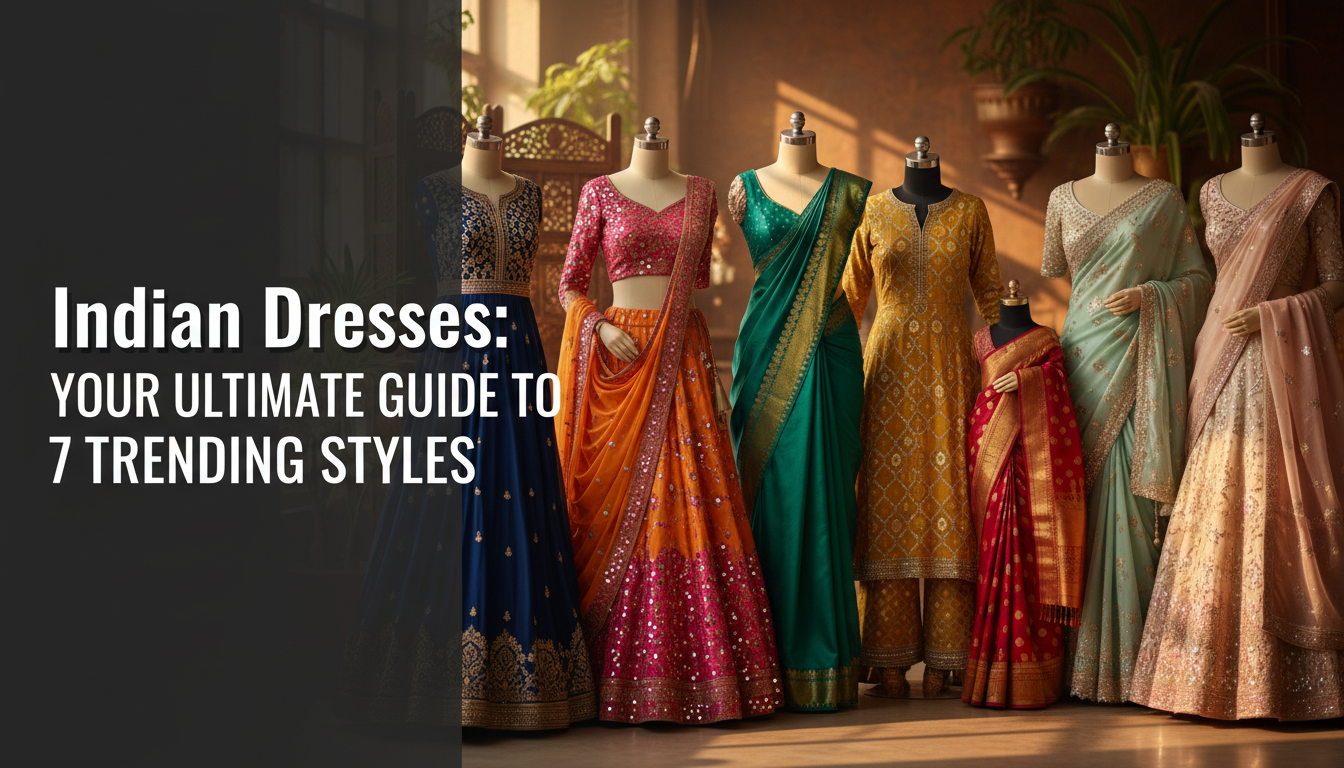
The best Indian dresses to wear in 2026 blend traditional elegance with contemporary trends, including the regal Anarkali Suit, the iconic Lehenga Choli, and the timeless Saree. Other popular styles are the versatile Salwar Kameez, the trendy Sharara and Palazzo Suits, and modern Indo-Western Gowns. Choosing the right one depends on the occasion, formality, and personal style.
Drawing from over 20 years of experience in Indian Fashion, this guide is designed to be your definitive resource. We focus on 100% Original Brands and Artisan Made quality to help you find an outfit you’ll treasure. You’ll discover the 7 top trending styles and learn how to choose and style them with confidence.
What Are the Best Indian Dresses to Wear in 2026?
Choosing the best Indian Outfits for women depends heavily on the event, your personal comfort, and the statement you want to make. Whether you’re a wedding guest or celebrating a festival like Diwali, the options range from the majestic flair of a floor-length Anarkali to the comfortable chic of a Salwar Kameez. This variety can seem challenging to navigate, especially when considering details like Custom Stitching versus Ready to Wear sizes or ensuring you’re buying from Authentic Indian Brands. Feeling overwhelmed by choice is common, but understanding the core styles is the first step toward finding your perfect ensemble. This guide will walk you through the seven most popular types of Traditional Indian Clothing, helping you understand what makes each unique and how to style them for any occasion in 2026.
Indian Dresses: Your Ultimate Guide to 7 Trending Styles 2026
This list is the core of our guide, designed to fulfill the promise of helping you navigate the beautiful world of Indian Wear for Women. We’ll break down the top 7 trending styles, providing a clear roadmap to help you make an informed decision for your next event. Each section follows a simple two-part structure to explain the essential outfit pieces and offer actionable styling tips. From the heavy embroidered Anarkali perfect for a reception to the breezy Palazzo suit for a casual gathering, you’ll learn the what, why, and how of each look, empowering you to shop with confidence.
1. The Timeless Anarkali Suit: Styling for Royal Elegance

Pin this regal look to your ‘Wedding Guest Attire’ board!
The Anarkali Suit is a masterpiece of Mughal-inspired fashion, renowned for its long, flowing, frock-style silhouette that exudes royalty and grace. This Indian Party Wear essential is perfect for formal events like wedding receptions and festive celebrations where you want to make an elegant impression. Its defining characteristic is a fitted bodice that flares out from the waist, often reaching the floor, creating a look that is both dramatic and flattering for many body types.
Outfit Pieces
- Floor-Length Anarkali Kurta: Look for one in Silk or Georgette with detailed Embroidered necklines.
- Churidar Pajami: A fitted legging that bunches at the ankle, usually in a matching solid color.
- Matching Dupatta: A long scarf, often with border details or light embellishments.
Styling Tips
- Accessorizing: Pair a Heavy Work Anarkali with delicate jewelry like chandelier earrings and a simple bracelet to avoid looking overdone. Let the dress be the statement.
- Footwear: Choose heels to add height, which helps carry the long, flowing silhouette gracefully.
- Hair: An elegant updo or a side-swept hairstyle works best to showcase the neckline embroidery of the Anarkali Suit.
Pro-Tip: For a truly Mughal Inspired look, seek out Anarkalis with authentic Chikankari Embroidery from Lucknow. This hand-done threadwork offers a level of sophistication that machine work cannot replicate.
2. The Iconic Lehenga Choli: Your Go-To Wedding Outfit

Save this stunning wedding look to your ‘Dream Lehenga’ board!
The Lehenga Choli is arguably the most recognized and celebrated Traditional Indian Wedding Dress. This three-piece ensemble, consisting of a skirt (Lehenga), a blouse (Choli), and a stole (Dupatta), is a canvas for some of India’s most exquisite craftsmanship, from intricate Zari Work to heavy embroidery. It is the quintessential choice for brides and wedding guests alike, offering a spectacular silhouette that is both festive and deeply traditional.
Outfit Pieces
- Lehenga (Skirt): A long, Embroidered and pleated skirt. Velvet is popular for winter, while Silk and Georgette are great year-round.
- Choli (Blouse): A fitted midriff-baring blouse, often with intricate Zari Work or embellishments. Custom Stitching is key for a perfect fit.
- Dupatta (Stole): A long scarf that Pairs with the lehenga. Its drape can completely change the look.
Styling Tips
- Draping the Dupatta: For a classic look, pleat and pin it to one shoulder. For a more modern feel, drape it around your elbows or wear it like a cape.
- Choosing a Choli: Experiment with different blouse cuts—off-the-shoulder, high-neck, or long-sleeved—to modernize the Traditional Indian Wedding Dress.
- Occasion Matching: Choose a Heavy Work lehenga for a close family wedding, and a lighter Floral Print or Georgette lehenga for a wedding guest look.
Pro-Tip: When choosing a Lehenga Choli, pay attention to the can-can (the stiff net underlining). A well-constructed lehenga with multiple layers of Canvas Construction and interlining will provide a beautiful, full flare without being excessively heavy.
3. The Evergreen Saree: Mastering the Art of the Drape

Pin this classic Saree look for timeless inspiration!
The Saree is the epitome of grace in Indian Attire. This single, unstitched drape of fabric, typically ranging from six to nine yards, has been a symbol of feminine elegance for centuries. While it may seem intimidating, learning how to wear a Saree is a rewarding experience. The beauty of the Saree lies in its versatility; the fabric, color, and draping style can be adapted for any occasion, from a formal wedding with a Hand-loomed Kanjeevaram to a casual party with a light Chiffon print.
What You Need
- The Saree Fabric: A single piece of cloth, typically 5-9 yards long. Kanjeevaram or Banarasi Brocade is for formal events, while Chiffon or Georgette offers a softer drape.
- The Petticoat: A straight, ankle-length skirt worn underneath, which holds the Saree pleats. It should match the base color of the Saree.
- The Blouse: A fitted, cropped top. It can be simple or heavily decorated. Many Sarees come with an unstitched blouse piece for Custom Stitching.
Draping Steps
- Tuck: Start by tucking the plain end of the Saree into the petticoat, from right to left, making one full circle.
- Pleat: Create 5-7 vertical pleats (about 5 inches wide) from the remaining fabric. Tuck the neatly gathered pleats into the center of your petticoat.
- Drape: Take the remaining decorative end (the pallu), bring it around your back from the left side, and drape it over your left shoulder. Secure with a pin.
Pro-Tip: The key to a perfect Saree drape is the petticoat. Invest in a well-fitting one with a strong drawstring. For a modern, sleeker silhouette, consider shapewear petticoats that are designed to eliminate bunching.
4. The Classic Salwar Kameez: Comfort Meets Everyday Chic

Save this comfy-chic look for your daily wear inspiration!
The Salwar Kameez is the backbone of everyday Indian ethnic wear, beloved for its unparalleled comfort and versatility. This three-piece outfit, consisting of a tunic (Kameez), trousers (Salwar), and a scarf (Dupatta), is a practical and stylish choice for everything from daily errands to casual social gatherings. Available as Ready Made Indian Outfits, they offer an easy entry into the world of Indian fashion without the complexities of draping or custom tailoring.
Outfit Pieces
- Kameez (Tunic): A long tunic that can range from knee-length to calf-length. Cotton and linen are perfect for daily wear.
- Salwar (Trousers): Traditionally a loose, pleated trouser that is wide at the top and tapers at the ankle.
- Dupatta (Scarf): Often made of a Lightweight, coordinating fabric like Chiffon. For a more casual look, the dupatta is often optional.
Styling Tips
- Bottoms Swap: For a modern twist, swap the traditional salwar trousers for straight-cut pants, jeans, or leggings to create an Indo-Western look.
- Casual vs. Formal: A simple Cotton Salwar Kameez is perfect for work or daily errands. A version in Silk with Zari Work can be worn to a small party or festival.
- Accessorize Simply: For a daily look, pair with simple silver earrings (jhumkas) and flat sandals (juttis).
Pro-Tip: Look for Salwar Kameez sets made from Ajrakh Prints or Bandhani Tie-dye. These traditional Rajasthani and Gujarati craft techniques offer unique, Artisan Made patterns that are both beautiful and culturally significant.
5. The Festive Sharara Suit: Flared for Maximum Impact

Pin this trendy look for your next Sangeet or Mehndi night!
Making a huge comeback in Bollywood Fashion, the Sharara Suit is all about drama and flair. This festive outfit is defined by its unique pants, which are fitted through the thigh and then flare out dramatically from the knee downwards, often in voluminous tiers. Paired with a short kurti, the Sharara creates a stunning silhouette that’s perfect for celebratory events like a Sangeet Night or Mehendi, where movement and fun are central to the occasion.
Outfit Pieces
- Short Kurti: The tunic is typically short, ending mid-thigh, to showcase the full drama of the pants.
- Sharara Pants: The star of the show. These trousers are fitted at the thigh and flare out dramatically from the knee down, often in tiered layers.
- Lightweight Dupatta: A coordinating scarf that can be draped elegantly over one shoulder.
Styling Tips
- Let the Pants Shine: Since the Sharara pants are the main focus, keep the Kurti relatively simple or with embroidery concentrated at the neckline.
- Perfect for Twirling: The flared silhouette of a Sharara makes it an ideal outfit for a Sangeet Night or any event with dancing.
- Footwear: Wear heels to ensure the wide flare of the pants doesn’t drag on the floor and to add to the elongated silhouette.
Pro-Tip: A true Gharara is a variation where the flare is created by ruching fabric at the knee, often decorated with intricate Gota Patti Work. While Shararas are more common today, a traditional Gharara is a true heirloom piece.
6. The Contemporary Palazzo Suit: For a Modern Ethnic Vibe

Save this modern ethnic look for a stylish, comfortable day out!
For those who love the Indo Western aesthetic, the Palazzo Suit is a perfect choice. This outfit pairs a kurta with palazzo pants—trousers that are wide-legged and straight from the waist down. This combination creates a look that is modern, chic, and incredibly comfortable. It’s a stylish departure from the traditional tapered salwar, offering a fluid and breezy silhouette that works beautifully for everything from a casual day out to a semi-formal dinner party.
Outfit Pieces
- Kurta: Can be long and straight-cut for an elegant look, or shorter and more peplum-style for a trendy vibe.
- Palazzo Pants: Very wide-legged trousers that have a straight, fluid fall from the waist to the ankle.
- Optional Jacket/Dupatta: Many modern Palazzo Suits come with a third piece like a long jacket, or you can style with a simple Chiffon dupatta.
Styling Tips
- Proportions are Key: If your Palazzo pants are very wide, pair them with a straight, structured Kurta. If the pants are less voluminous, you can play with an A-line or flared tunic.
- Fabric Choice: Crepe and Georgette give a beautiful, fluid drape to palazzo pants, making them look very elegant. Cotton is great for a crisp, casual look.
- From Day to Night: A simple printed cotton Palazzo Suit is perfect for a day out. Switch to a Silk or embroidered version for an evening event or a dinner party.
Pro-Tip: For a high-fashion, Contemporary Silhouette, try a crop top with high-waisted Palazzo pants and a long, floor-length cape or jacket. This three-piece ensemble is a favorite on the Bollywood Fashion scene.
7. The Elegant Indo-Western Gown: Global Fashion, Indian Heart

Pin this fusion gown for a modern reception or cocktail party!
The Indo-Western Gown is the perfect embodiment of Ethnic + Fusion fashion. It takes a classic Western gown silhouette—like an A-line or mermaid cut—and infuses it with a distinct Indian soul through the use of traditional fabrics, prints, or craftsmanship. This is an ideal choice for a modern Indian dresses for wedding guest look, especially for receptions or cocktail parties, offering the grandeur of an Indian outfit with the ease and familiarity of a one-piece dress.
Outfit Details
- The Gown: A one-piece garment with a Western silhouette, like an A-line, empire waist, or sheath dress.
- Indian Embellishments: The “Indian” element comes from the fabric (like Banarasi Brocade), prints (like Ajrakh Prints), or surface ornamentation (Embroidered bodices, Zari borders).
- No Extra Pieces: The beauty of the gown is its simplicity—no need for a separate dupatta or trousers.
Why It Works
- Ease of Wear: It offers the grandeur of an Indian Outfit without the complexity of Draping a saree or managing a three-piece lehenga. Just zip up and go.
- Perfect for Fusion Events: It’s the ideal choice for cocktail parties, receptions, or for a wedding guest who wants to honor the culture with a modern twist.
- Comfort and Mobility: Gowns are often more Lightweight and easier to move and dance in than very heavy traditional ensembles.
Pro-Tip: Look for gowns that incorporate a pre-draped or attached dupatta. This gives the illusion of a Lehenga or Saree but is stitched in place, offering the best of both worlds: traditional aesthetics and modern convenience.
Key Takeaways
- For Royal Formality, Choose An Anarkali: This floor-length frock-style suit offers regal elegance perfect for receptions and formal dinners. Its flowing silhouette is characterized by grace and grandeur.
- The Lehenga Choli is the Ultimate Wedding Staple: This three-piece ensemble (Lehenga + Choli + Dupatta) is the go-to for weddings, offering endless variety from Heavy Work bridal wear to Lightweight guest outfits.
- The Saree is Timeless but Requires Practice: The most iconic Indian Attire, the Saree’s beauty lies in its drape. Chiffon and Georgette are forgiving for beginners, while Silk is for grand occasions.
- Salwar & Palazzo Suits Offer Modern Comfort: For casual events or daily wear, the Salwar Kameez is a classic. For a more contemporary, wide-leg silhouette, opt for a trendy Palazzo Suit.
- Shararas and Ghararas are for Festive Fun: With their dramatically flared pants, Sharara and Gharara Suits are fun, fashionable, and perfect for dancing at a Sangeet Night or Mehendi.
- Indo-Western Gowns Provide a Perfect Fusion: For the easiest formal option, an Indo-Western Gown blends a Western silhouette with Indian Embroidery, offering a hassle-free yet culturally appropriate look.
People Also Ask About Indian Dresses
What are the different types of Indian dresses?
The main types of Indian dresses include the Saree, Salwar Kameez, Lehenga Choli, Anarkali Suit, Sharara Suit, Palazzo Suit, and Indo-Western Gowns. Each has a unique silhouette and is suited for different occasions, from daily wear to formal weddings. Many variations and regional styles exist beyond these core types.
What is the best Indian dress for a wedding guest?
For a wedding guest, a lightweight Lehenga Choli, a festive Sharara Suit, or an elegant Anarkali are excellent choices. An Indo-Western Gown is also a very popular and easy-to-wear option. The choice depends on the formality of the event and your relationship with the couple. Avoid wearing bridal red.
Where can I buy authentic Indian dresses in the USA?
You can buy authentic Indian dresses in the USA from reputable online stores that specialize in shipping to the US. Look for sites that guarantee 100% Original Brands, offer Custom Stitching, and have transparent shipping policies and Size Chart Help.
What should I wear to an Indian wedding?
For an Indian wedding ceremony, women typically wear a Saree, Lehenga Choli, or Anarkali Suit in vibrant colors like pink, blue, or green. Men often wear a Kurta Pajama or a more formal Sherwani. It’s best to choose a modest yet festive outfit and avoid wearing solid black or white to the main ceremony.
Can white people wear Indian dresses?
Yes, absolutely. People of all ethnicities are welcome and encouraged to wear Indian dresses when attending cultural events like weddings or festivals. It is seen as a sign of respect and appreciation for the culture. Choose a style you feel comfortable in, like an Anarkali or a pre-draped Saree, for an easy and beautiful option.
What is the difference between a Salwar and a Palazzo?
A Salwar is a traditional trouser that is loose at the top and tapers to a narrow, fitted cuff at the ankle. In contrast, a Palazzo is a modern, Western-influenced trouser that is wide and straight from the waist all the way down to the ankle, creating a fluid, flowing look.
How do I get custom stitching online?
Most online Indian clothing stores provide a custom measurement guide where you enter your specific body measurements (bust, waist, hips, height, etc.) when you order. Their Master Tailors then use these measurements to create a garment that fits you perfectly. Always measure carefully according to their instructions for the best fit.
Are Indian wedding dresses always red?
While red is the traditional and most auspicious color for a Hindu bride’s wedding dress, modern brides are increasingly choosing other colors. Today, you will see brides in shades of pink, gold, pastel blue, and ivory. However, as a guest, it is still polite to avoid wearing red to not upstage the bride.
What is an Anarkali suit?
An Anarkali suit is a type of long, frock-style top that is fitted at the bust and then flares out, often reaching the floor like a gown. It is paired with fitted trousers called a churidar and a matching scarf called a dupatta. It is known for its elegant and regal silhouette inspired by the Mughal era.
Which fabric is best for Indian summer dresses?
For summer events, the best fabrics are lightweight and breathable ones like Cotton, Chiffon, Georgette, and linen. These fabrics will keep you cool and comfortable in the heat. A casual cotton Indian Kurti or a light Georgette Saree are excellent choices for summer festivities.
Final Thoughts on Finding Your Perfect Indian Dress
Choosing an Indian Dress is a joyful exploration of color, craftsmanship, and culture. Whether you are drawn to the timeless elegance of a Kanjeevaram Saree, the festive twirl of a Lehenga Choli, or the modern comfort of a Palazzo Suit, there is a style that will make you feel beautiful and confident. This guide has shown you the 7 most trending styles for 2026, but the most important factor is choosing the one that speaks to you and the occasion.
Armed with this knowledge of fabrics, silhouettes, and styling, you are now ready to buy Indian Dresses online with confidence. Remember to pay attention to Custom Stitching options for a flawless fit and look for Authentic Indian Brands to ensure you are getting a piece that is truly Expertly Crafted.
What’s the first style you’re excited to try for your next big event? Share your thoughts in the comments below
Last update on 2026-04-27 / Affiliate links / Images from Amazon Product Advertising API