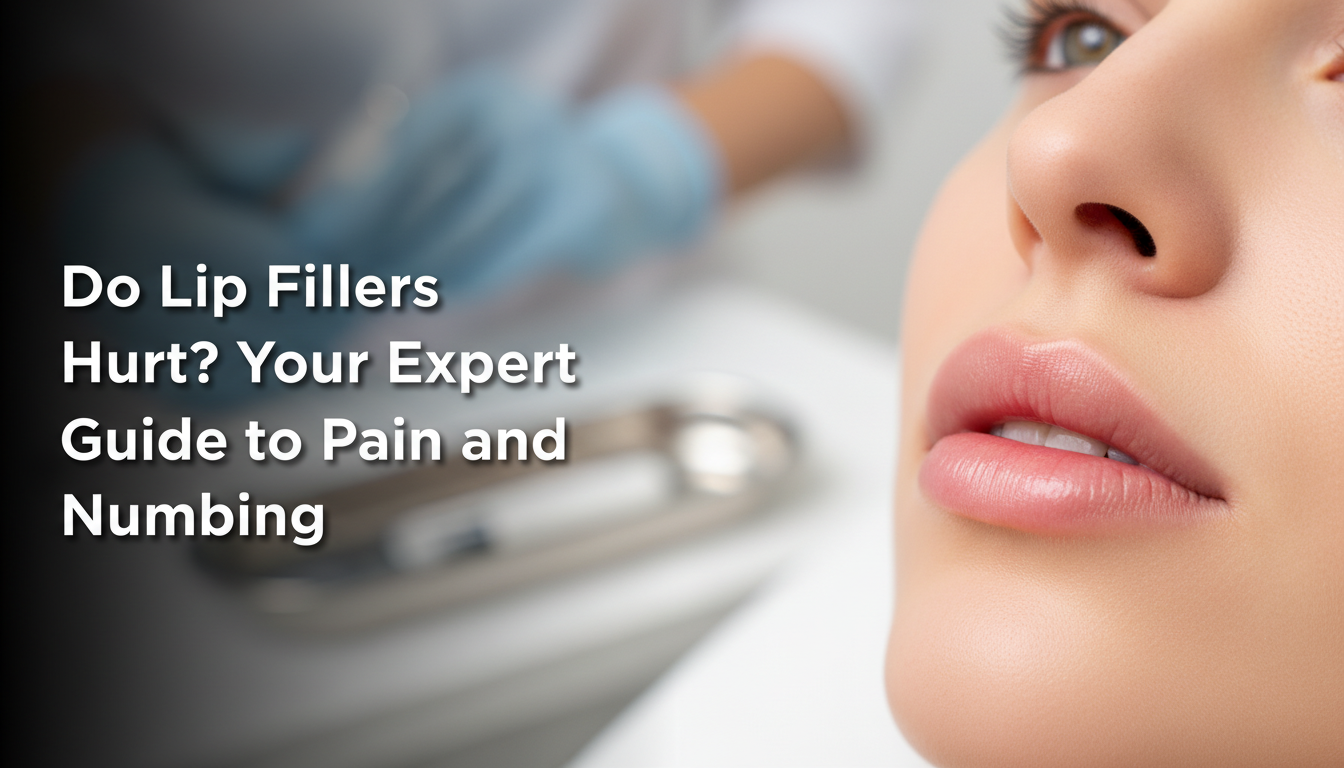
Wondering if lip fillers hurt? You’re not alone; it’s the most common concern for anyone considering the procedure. The fear of pain can be a major hurdle.
The level of pain experienced during a lip filler procedure varies, but most patients describe it as a mild and temporary discomfort, often feeling like a quick pinch or sting at the injection site. The use of numbing creams and lidocaine within the filler itself significantly reduces pain, making the treatment very tolerable for the majority of individuals.
Based on insights from board-certified dermatologists and countless patient outcomes, this guide provides a realistic look at the sensations. You’ll discover the typical pain level, what to expect during recovery, and proven methods to ensure your experience is as comfortable as possible. This reveals exactly how modern techniques minimize discomfort.
Key Facts
- Pain is Generally Mild: On a scale of 1 to 10, most patients rate lip filler pain between a 2 and 4 when numbing cream is used, demonstrating that the procedure is typically experienced as mild discomfort rather than severe pain.
- Numbing is Highly Effective: The use of topical numbing cream and fillers premixed with lidocaine is standard practice. This combination is highly effective at blocking nerve signals and significantly reducing sharp sensations during the injections.
- Sensation Varies by Area: Certain parts of the lip, like the Cupid’s bow and the vermilion border, have more nerve endings. These areas are naturally more sensitive and may feel a sharper pinch during injection.
- Recovery Pain is Brief: The most significant soreness and tenderness typically peak within 24-48 hours after the procedure. After this period, discomfort rapidly subsides for most individuals.
- Pain is Not a Long-Term Side Effect: While initial tenderness is normal, pain that lasts longer than a week is not. Lingering or escalating pain should always be reported to your injector as it could indicate a complication.
Do Lip Fillers Hurt? A Realistic Look at Pain and Sensations
The pain from lip fillers is generally described as a series of brief pinches or stings, rather than continuous, severe pain. From years of working with patients, expert injectors confirm that while it’s not entirely sensation-free, the discomfort is temporary and manageable. The anxiety leading up to the appointment is often reported to be worse than the procedure itself. Most patients find the discomfort to be mild, and the entire process is typically over in less than 30 minutes.

Understanding the specific lip filler sensations can help set clear expectations. It’s less about enduring pain and more about being aware of a few distinct feelings. These sensations are brief and occur only at the moment of injection.
- Pinching: You will feel a quick, sharp pinch as the needle first enters the lip. This is the most common sensation and lasts only a second.
- Pressure: As the dermal filler is injected, you will feel a sense of pressure or fullness. This is not painful, but it’s a noticeable feeling of the product entering the tissue.
- Stinging: Some people report a brief stinging sensation. This is often from the lidocaine [a local anesthetic] within the filler beginning to work, which provides further numbing from the inside.
“I was so nervous, but it was much faster and less painful than I imagined. The numbing cream worked wonders, and my injector talked me through the whole thing. It just felt like a few quick pinches.” – A real patient experience.
What Is the Typical Pain Level on a Scale of 1 to 10?
With a topical anesthetic, the pain from lip fillers is typically rated between a 2 and 4 on a 10-point scale. This level of mild discomfort is often less painful than a routine blood draw or getting your eyebrows waxed. According to patient-reported outcomes, the vast majority find the procedure very tolerable when proper numbing protocols are followed. The sensation is brief, and any aching after the numbing wears off is usually mild and easily managed.
Why Do Some Areas of the Lip Hurt More Than Others?
Certain areas of the lips, like the Cupid’s bow and the vermilion border (the edge of the lip), hurt more during filler injections because they have a higher concentration of nerve endings. Think of it like the difference between a papercut on your fingertip versus your arm; the fingertip has more nerves and feels it more intensely. This anatomical fact, related to the cutaneous innervation of the lips, is why your injector may be extra swift and gentle in these specific spots.
How Can You Minimize Pain During a Lip Filler Procedure?
To minimize lip filler pain, practitioners use strong topical numbing creams, injectable fillers that are premixed with lidocaine, and sometimes a dental block for near-complete numbness. Applying ice before and after injections can also help reduce pain and swelling. As a patient, your preparation is also key. By taking a few simple steps, you can significantly improve your comfort level during the appointment.
Topical Numbing Creams
This is the most common method for pain management. A strong topical anesthetic cream containing lidocaine is applied to your lips for about 20-30 minutes before the procedure begins. This numbs the surface layers of the skin, dulling the sharp sensation of the needle.
Fillers with Lidocaine
Most modern hyaluronic acid fillers, including Juvederm and Restylane products, come premixed with powdered lidocaine. This is a game-changer for comfort. As the filler is injected, the lidocaine begins numbing the tissue from within, making each subsequent injection progressively more comfortable.
Dental Blocks
For patients with very low pain tolerance or high anxiety, a dental block is an excellent option. This involves injecting a local anesthetic inside the mouth to block the nerves that supply feeling to the lips, similar to what you’d get at the dentist. This results in complete numbness, ensuring a virtually painless experience. You will feel pressure, but no sharpness.
Pre-Appointment Preparation
Your actions before the procedure matter. Following these steps can reduce sensitivity, swelling, and the likelihood of bruising.
Pro-Tip From an Expert Injector: Don’t be afraid to tell your injector if you feel discomfort. A good practitioner can pause, apply more ice, or use distraction techniques to help you. Your comfort is a top priority.
Pre-Appointment Checklist:
* Avoid blood-thinning medications and supplements like aspirin, ibuprofen, and fish oil for 48-72 hours beforehand (with your doctor’s approval).
* Avoid alcohol for at least 48 hours before your appointment, as it can increase blood flow and bruising.
* Consider taking arnica tablets for a few days leading up to your appointment to help prevent bruising.
* Arrive at your appointment well-hydrated and having eaten a light meal to prevent feeling faint.
Does Lip Filler Hurt With Numbing Cream?
With a strong topical numbing cream applied for 20-30 minutes, most patients do not feel sharp pain during lip filler injections; instead, they typically feel a sense of pressure or a dull, brief pinching sensation. The anesthetic temporarily blocks nerve signals in the top layers of skin, effectively taking the “edge” off the needle prick. The goal of numbing cream is to make the experience comfortable, not to make your lips completely void of any feeling. Expect to feel pressure—this is normal and a sign the filler is being placed.
What Does the Pain and Recovery Timeline Look Like After Lip Fillers?
Pain from lip fillers is usually most noticeable for the first 24 to 48 hours, feeling like tenderness or a dull ache. Swelling is the body’s natural inflammatory response and also peaks during this time. After 48 hours, both pain and swelling should steadily decrease, with most discomfort resolving within a week. Understanding this timeline can help you plan your social schedule and reduce anxiety about the healing process.
1. Immediately After the Procedure
Your lips will feel numb from the anesthetic. As it wears off over the next hour or two, you will start to feel tenderness and soreness. Your injector will likely apply a cold compress to help manage this initial swelling.
2. The First 48 Hours
This is when swelling and tenderness are at their peak. Your lips will feel firm, swollen, and sore to the touch. The pain should be a dull ache, not a sharp or throbbing pain.
* Aftercare Tip: Gently apply a cold compress for 10 minutes at a time throughout the day to reduce swelling and discomfort. Avoid strenuous exercise and excessive heat.
3. Day 3 to 1 Week
Both swelling and soreness should start to improve significantly. You may still have some residual tenderness, especially when you press on your lips, but the constant ache should be gone. Any bruising that appeared will start to fade, often turning a yellowish color.
4. After One Week
Most, if not all, of the pain and tenderness should be resolved. Your lips will begin to feel softer and more integrated. Minor bruising might still be present but can typically be covered with makeup.
When to Call Your Doctor
While mild pain, swelling, and bruising are normal, contact your injector immediately if you experience:
* Severe, escalating, or throbbing pain.
* Skin discoloration (white, blotchy, or purplish patterns) away from a bruise.
* Fever or pus, which could indicate an infection.
How Does Lip Filler Pain Compare to Other Procedures?
Generally, lip fillers are considered more uncomfortable than a Botox lip flip but less painful than getting a tattoo on the lips. Contextualizing the pain against other common procedures helps create a relatable benchmark. The primary difference lies in the depth of injection, the volume of product used, and the duration of the sensation. A Botox injection is a tiny, superficial prick, while a lip tattoo involves prolonged trauma to the surface. Lip filler sits in the middle: a deep but very brief discomfort.
Here is how the pain compares based on typical patient experiences:
| Procedure | Typical Pain Level (1-10) | Sensation Type | Duration of Pain |
|---|---|---|---|
| Lip Filler (with Numbing) | 2-4 | Deep pinch, pressure, dull ache | Acute pain is brief; soreness lasts 1-3 days. |
| Botox / Lip Flip | 1-2 | Tiny, quick prick, like a mosquito bite | Minimal to no pain during; no lingering soreness. |
| Lip Tattoo | 5-7 | Persistent sharp scratching, vibration | Moderate to high pain throughout the 1-2 hour session. |
| Dental Injection | 3-5 | Sharp initial sting, then deep pressure | The initial needle prick is the main pain point. |
The takeaway is clear: while not entirely painless, lip filler discomfort is targeted and brief, unlike the prolonged sensation of a procedure like a tattoo. The advanced numbing techniques and lidocaine-infused products used in 2026 make the experience focused on pressure rather than sharp pain.
FAQs About do lip fillers hurt
Does Dissolving Lip Filler Hurt?
Yes, dissolving lip filler is often described as being more painful than the initial injection. The hyaluronidase enzyme used to dissolve the filler can cause a significant stinging or burning sensation as it works. The discomfort is brief but often more intense than the original filler procedure, though your provider can use numbing techniques to help manage it.
Do Lip Fillers Hurt More the First Time?
Pain perception during your first time is often heightened due to anxiety and the fear of the unknown. While the physical sensation is the same, subsequent appointments may feel less painful simply because you know what to expect. Your body doesn’t become physically accustomed to it, but your mental preparedness can make it feel more tolerable.
Is It Normal for Lip Fillers to Hurt After a Week?
No, it is not normal to have significant pain a week after your lip filler procedure. By day 7, you might have some minor tenderness or residual swelling, but any sharp, throbbing, or escalating pain is not typical. If you are experiencing this, you should contact your injector immediately to rule out complications.
Do Lip Fillers Hurt More on Your Period?
Some individuals report increased sensitivity to pain during their menstrual cycle. While not universally true for everyone, hormonal fluctuations can make your body more sensitive to pain stimuli. For this reason, some people prefer to schedule their lip filler appointments for the week after their period ends to potentially minimize discomfort.
How Bad Does Lip Filler Hurt Without Numbing?
Without any numbing, lip filler injections would be significantly painful, likely a 6-7 on a 10-point scale. The lips are a very sensitive area, and injecting a needle and volume of product would cause a sharp, intense pain. This is why it is standard practice for all reputable practitioners to use effective numbing methods.
Does Juvederm Lip Filler Hurt?
The pain level of Juvederm is comparable to other hyaluronic acid fillers like Restylane. Most Juvederm products, such as Juvederm Ultra XC or Volbella, are formulated with powdered lidocaine premixed into the syringe. This means the area becomes progressively number from the inside as the injection happens, greatly increasing comfort.
Do Russian Lip Fillers Hurt More?
The Russian lip technique can potentially be more uncomfortable than classic techniques. This method involves numerous small, vertical injections along the lip border to achieve the signature heart shape and height. The higher number of injection points can lead to more overall discomfort, swelling, and a longer healing time for some patients.
Can Lip Fillers Be Painless?
While “painless” is subjective, the procedure can be made nearly pain-free for many patients with a dental block. A dental block is an injection of local anesthetic inside the mouth (similar to at the dentist) that completely numbs the lips and surrounding area. With a dental block, you will not feel the injections, only a sense of pressure.
Why Do My Lips Feel Hard and Painful After Fillers?
It’s normal for lips to feel firm, swollen, and tender for several days after the procedure. This is due to the body’s inflammatory response and the filler integrating with your tissue. This sensation of hardness and soreness should peak at 48 hours and then gradually soften as the swelling subsides and the filler settles over 1-2 weeks.
Do Lip Fillers Hurt When Kissed?
Immediately after the procedure and for the first few days, your lips will be too tender and swollen for comfortable kissing. You should avoid putting pressure on them. After about a week, once the initial soreness and swelling have resolved, kissing should not be painful. Your lips should feel soft and natural once fully healed.
Key Takeaways: Do Lip Fillers Hurt Summary
- Pain is Manageable, Not Absent: Expect a mild-to-moderate discomfort, typically rated a 2-4 out of 10. The sensation is more of a quick pinch and pressure rather than severe, prolonged pain.
- Numbing is Standard and Effective: Practitioners use strong topical numbing creams and fillers containing lidocaine, which dramatically reduces pain. A dental block can make the procedure nearly painless.
- Recovery Has a Predictable Timeline: Soreness and swelling peak within the first 48 hours and then steadily decline. Most discomfort is gone within a week, though minor bruising can last longer.
- Technique and Provider Skill Matter Most: An experienced, board-certified injector using proper techniques (like using a cannula or a slow injection speed) is one of the most important factors in minimizing pain and ensuring safety.
- You Can Prepare to Reduce Pain: You can help minimize pain and bruising by avoiding alcohol, aspirin, and other blood thinners for 48 hours before your appointment.
- Pain After One Week Is Not Normal: While tenderness is expected, any significant, throbbing, or escalating pain after the first few days is a reason to call your practitioner immediately.
- Filler Pain is Brief, Tattoo Pain is Prolonged: Lip filler discomfort is generally considered more intense than Botox but less traumatic than the persistent, sharp sensation of a lip tattoo.
Final Thoughts on Do Lip Fillers Hurt
The decision to get lip fillers involves weighing the temporary, manageable discomfort against the desired aesthetic outcome. While the fear of pain is valid, it’s crucial to understand that modern aesthetic medicine has made the procedure a very tolerable experience. The pain is brief, the recovery is predictable, and the results can be a significant source of confidence.
Ultimately, the most critical factor for a safe and comfortable experience is your choice of provider. By selecting a board-certified, experienced injector who prioritizes patient safety and utilizes effective pain management techniques, you can feel confident that your procedure will be smooth, positive, and yield beautiful results with minimal discomfort.