
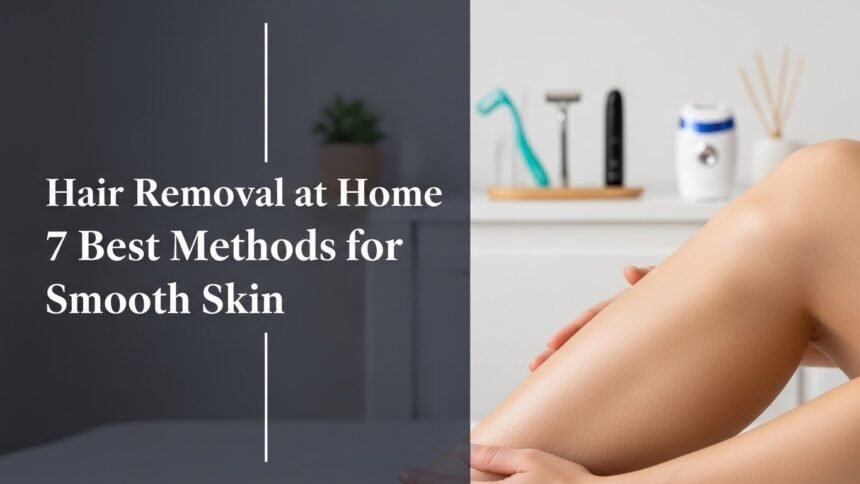
Tired of the constant cycle of shaving, booking salon appointments, and dealing with unwanted hair? Achieving beautifully smooth skin can feel like a full-time job. You’re looking for a better way to manage hair removal at home, one that’s effective, convenient, and fits your life.
Achieving lasting smooth skin at home is highly attainable through a variety of advanced and traditional methods, including IPL, laser, epilators, and professional-grade waxing, offering convenience and significant long-term results. These solutions can provide everything from temporary smoothness to significant permanent hair reduction, putting you in control.
Drawing from comprehensive analysis and established best practices, this guide explores the most effective and safest options for you. We’ll break down everything from FDA-cleared technologies to gentle, natural alternatives. Get ready to discover the perfect method to unlock your smoothest skin ever.
Unlock Smooth Skin: Your Ultimate Guide to Hair Removal at Home for 2026
The quest for smooth skin has led to incredible innovations in personal care, making professional-grade results more accessible than ever. Whether you’re aiming for permanent hair reduction or a quick, painless solution for unwanted hair, there’s a method tailored to your needs. This guide moves beyond simple product lists to provide a holistic overview, validating common frustrations with high costs and inconvenient appointments while presenting a comprehensive roadmap to effective self-treatment. We’ll explore everything from advanced light-based devices to time-tested traditional techniques, ensuring you have the expert-backed information to choose and use the best method for your body and lifestyle.
Hair Removal at Home: 7 Best Methods for Smooth Skin 2026
Choosing the right at-home hair removal method can be transformative. To help you decide, we’ve broken down the seven best and most popular options, from high-tech devices to gentle, natural alternatives. Each method is detailed with what you’ll need, a step-by-step treatment routine, and pro-tips to ensure you achieve safe, long-lasting hair removal. This is your core solution guide to finding the perfect match for your pain tolerance, budget, and desired outcome, putting you on the fast track to radiant, smooth skin.
1. IPL Hair Removal (Intense Pulsed Light)

Pin this long-lasting hair removal method to your beauty board!
What You Need
- FDA-cleared IPL hair removal device with multiple intensity settings and a skin tone sensor
- Shaving razor (manual or electric)
- Mild, unscented moisturizer or aloe vera gel
- UV protective eyewear (often included with device)
Your Treatment Routine
- Prepare your skin: Shave the area you plan to treat thoroughly to ensure the IPL light targets the hair follicle, not surface hair. Cleanse skin to remove any lotions or oils, then pat dry.
- Conduct a patch test: Always perform a small patch test on a discreet area 24 hours before full treatment to check for skin reactions.
- Select intensity level: Consult your device’s manual to choose the appropriate light intensity based on your skin tone and hair color using the built-in skin sensor or Fitzpatrick scale guidance.
- Begin treatment: Place the IPL device window firmly against your skin. The device will typically emit a flash of light. Glide or stamp the device across the treatment area, ensuring slight overlap but avoiding treating the same spot twice in one session.
- Moisturize post-treatment: After each session, soothe your skin with a gentle, unscented moisturizer or aloe vera gel to prevent dryness and irritation.
- Maintain consistency: Follow the recommended treatment schedule, usually once every 1-2 weeks for the initial phase, then monthly for maintenance, to align with the hair growth cycle for permanent hair reduction.
Pro-Tip: For optimal permanent hair reduction, understand your hair growth cycle. IPL is most effective during the anagen (active growth) phase. Consistent treatments spaced according to your device’s recommendations will ensure you hit more hair follicles in this critical phase, leading to better overall visible results.

2. At-Home Laser Hair Removal Devices

Discover the best at-home laser devices for lasting smooth skin!
What You Need
- FDA-cleared at-home laser hair removal device (e.g., diode laser)
- Fresh razor
- Gentle cleanser
- Cooling gel or aloe vera
- Manufacturer-provided protective eyewear
Your Treatment Routine
- Shave and cleanse: Shave the area to be treated right before your session. Cleanse your skin thoroughly to remove any product residue, ensuring a clean surface for the laser.
- Ensure skin is dry: Pat the skin completely dry. Avoid applying any lotions, oils, or deodorants before treatment.
- Choose power level: Select the appropriate power setting for your skin tone and hair color, as indicated by your device’s instructions. Start on a lower setting and gradually increase if comfortable.
- Apply laser to skin: Place the treatment window firmly against your skin. Once the device registers proper contact, it will emit a laser pulse. Move the device to the next untreated area, ensuring no gaps.
- Cool and soothe: Immediately after treatment, apply a cooling gel or aloe vera to the treated areas to reduce any redness or discomfort. Avoid direct sun exposure on treated areas.
- Adhere to schedule: Follow the recommended treatment schedule, typically every two weeks for the first few sessions, then as needed for maintenance, for permanent hair removal and sustained smooth skin.
Pro-Tip: While some at-home laser hair removal devices can treat a wider range of skin tones than IPL, always verify compatibility with your specific skin tone using the Fitzpatrick scale provided by the manufacturer. Misuse can lead to adverse skin reactions. Understanding the principle of selective photothermolysis ensures safe and effective hair removal.

3. Epilators

Pin for lasting smoothness: epilators for efficient hair removal!
What You Need
- High-quality epilator (cordless, wet/dry models often preferred for comfort)
- Exfoliating brush or mitt
- Gentle, unscented lotion or after-epilation balm
- Rubbing alcohol (for cleaning device)
Your Treatment Routine
- Exfoliate your skin: 24 hours before epilating, exfoliate the area to lift hairs and help prevent ingrown hairs.
- Prepare for comfort: For less discomfort, epilate after a warm shower or bath, as warm skin and open pores can ease the process. Ensure skin is completely dry.
- Hold correctly: Hold the epilator at a 90-degree angle to your skin. Stretch your skin taut with your free hand.
- Glide slowly: Gently glide the epilator against the direction of hair growth. Do not press too hard or move too quickly, which can break hairs instead of pulling them.
- Clean your device: After each use, clean the epilator head with the provided brush and wipe with rubbing alcohol to maintain hygiene and device longevity.
- Moisturize and soothe: Immediately after epilating, apply a soothing, unscented lotion or after-epilation balm to calm the skin and reduce redness, promoting smooth skin.
Pro-Tip: While epilators offer excellent long-lasting hair removal, initial uses can be uncomfortable. Regular exfoliation is key to ingrown hair prevention. Over time, hair growth often becomes finer and sparser, making subsequent epilation sessions much easier and less painful.

4. At-Home Waxing Kits

Waxing at home: achieve salon-smooth results efficiently!
What You Need
- At-home waxing kit (choose between strip wax, hard wax, or sugar wax based on preference)
- Pre-wax cleanser or rubbing alcohol
- Talcum powder (optional)
- Wooden spatulas or applicators
- After-wax oil or soothing lotion
- Exfoliating mitt or brush
Your Treatment Routine
- Prepare your skin: Cleanse the area to be waxed with a pre-wax cleanser or rubbing alcohol, ensuring it’s free of oils. Pat dry. Apply a thin layer of talcum powder if using strip wax to absorb excess moisture.
- Heat the wax: Follow your kit’s instructions for heating the wax (microwave, wax warmer). Test a small amount on your wrist to ensure it’s warm but not too hot.
- Apply wax: Using a wooden spatula, apply a thin, even layer of wax in the direction of hair growth.
- Apply and remove strip (if applicable): If using strip wax, immediately press a strip onto the wax, smoothing it down. Wait a few seconds, then hold your skin taut and swiftly pull the strip off against the direction of hair growth, keeping it parallel to the skin. For hard wax, let it cool and harden, then flick up an edge and pull swiftly.
- Soothe and clean: After waxing, apply after-wax oil or a soothing lotion to remove any wax residue and calm the skin.
- Prevent ingrown hairs: Begin gently exfoliating the waxed area 2-3 days after treatment, and continue regularly, to prevent ingrown hairs.
Pro-Tip: Proper skin preparation for hair removal is crucial for at-home waxing. Ensure hair is at least ¼ inch long for optimal grip. Always pull the wax parallel to the skin, not upwards, to minimize pain and reduce hair breakage, leading to a truly smooth skin finish.

5. Hair Removal Creams (Depilatories)

Quick and painless: hair removal cream for instant smooth skin!
What You Need
- Hair removal cream (depilatory) suitable for your skin type (e.g., sensitive skin formula)
- Applicator spatula (often included) or old washcloth
- Soft washcloth or sponge
- Mild soap
- Soothing moisturizer or aloe vera gel
Your Treatment Routine
- Perform a patch test: This is critical. Apply a small amount of cream to a discreet area (e.g., inner arm) 24-48 hours before full application. Wait the recommended time, then rinse. If no irritation occurs, proceed.
- Clean and dry skin: Ensure the area to be treated is clean and completely dry.
- Apply cream: Using the applicator or your hands (wearing gloves is recommended), apply a thick, even layer of hair removal cream over the hair you wish to remove. Do not rub it in.
- Adhere to timing: Set a timer and leave the cream on for exactly the time specified in the instructions (usually 3-10 minutes). Never exceed the maximum time.
- Remove and rinse: Use the spatula or a damp washcloth to gently wipe away a small test area. If hair comes off easily, remove the rest of the cream. Rinse the skin thoroughly with lukewarm water and mild soap until all traces of cream are gone.
- Moisturize: Apply a soothing, unscented moisturizer or aloe vera gel to calm and hydrate the skin, leaving it smooth skin.
Pro-Tip: Always choose a hair removal cream specifically formulated for the body part you intend to treat (e.g., face, bikini line). The chemicals in these creams are designed to dissolve hair, so strictly adhering to the recommended timing and always performing a patch test is paramount for sensitive skin hair removal and preventing irritation.

6. Dermaplaning (for Facial Hair)

Unlock radiant skin: master dermaplaning for smooth, fuzz-free results!
What You Need
- High-quality dermaplaning tool (single-blade facial razor)
- Gentle facial cleanser
- Alcohol-free toner
- Hydrating serum or moisturizer
Your Treatment Routine
- Cleanse your face: Start with a clean, dry face. Use a gentle cleanser to remove all makeup, dirt, and oils.
- Prep your skin: Ensure your skin is completely dry. Some prefer to use an alcohol-free toner to further degrease the skin, but it’s optional.
- Hold skin taut: Hold a section of your skin taut with one hand.
- Angle the tool: Hold the dermaplaning tool at a 45-degree angle to your skin.
- Gentle strokes: Using short, light strokes, gently scrape down the skin against the direction of hair growth. Avoid going over the same area too many times to prevent irritation. Work in small sections across your face. Do not use on active acne or broken skin.
- Cleanse and hydrate: After dermaplaning, gently cleanse your face again to remove any removed hair and skin debris. Follow immediately with a hydrating serum and a rich moisturizer to soothe and replenish your freshly exfoliated smooth skin.
Pro-Tip: While dermaplaning effectively removes fine facial hair and dead skin, always use a fresh, sharp blade for each session (or every few sessions, depending on tool quality). Dull blades can cause tugging and irritation. Never use a dermaplaning tool on active acne, broken skin, or ingrown hairs to prevent further skin damage.

7. Sugaring

Sweetly smooth: try sugaring for gentle, natural at-home hair removal!
What You Need
- Pre-made sugaring paste or ingredients for DIY (sugar, lemon juice, water)
- Pre-sugaring powder or cornstarch
- After-sugaring oil or soothing balm
- Exfoliating glove or cloth
Your Treatment Routine
- Prepare your skin: Ensure your skin is clean, dry, and free of oils or lotions. Dust a light layer of pre-sugaring powder or cornstarch over the area to absorb any excess moisture.
- Warm the paste: If using pre-made paste, gently warm it until it reaches a honey-like consistency (it should be pliable but not too hot or runny).
- Apply the paste: Take a small ball of sugar paste. Using your fingertips or a spatula, apply the paste against the direction of hair growth. Press firmly to ensure the paste adheres to the hair.
- Flick and remove: With a quick, confident motion, flick the paste off in the direction of hair growth, keeping your hand parallel to the skin. Repeat this process, re-using the same ball of paste until it loses its stickiness or becomes too difficult to manage.
- Cleanse and soothe: Once finished, rinse any sticky residue with lukewarm water. Apply a soothing after-sugaring oil or balm to calm the skin and prevent ingrown hairs.
- Exfoliate regularly: Start gentle exfoliation 2-3 days after sugaring to maintain smooth skin and prevent hairs from getting trapped.
Pro-Tip: The key to successful sugaring for long-lasting results is mastering the flicking technique and ensuring the paste is at the right consistency. Unlike waxing, sugaring removes hair in the direction of growth, which can lead to less breakage and reduced irritation, making it an excellent sensitive skin hair removal option.

Key Takeaways
Your journey to effortless hair removal at home is now clear. Remember these critical points to ensure success:
- Long-term results are achievable with devices like IPL and laser for **hair removal at home through consistent, correctly applied treatments.** These methods effectively target hair follicles, offering significant permanent hair reduction over time.
- Choosing the right method depends on your skin type, hair color, pain tolerance, and desired duration of **smooth skin.** Consider factors like speed, cost, and effectiveness for your individual needs when selecting from epilators, waxing kits, or creams.
- Prioritize safety: Always perform a patch test, follow device instructions meticulously, and use FDA-cleared products. This minimizes the risk of skin irritation or adverse reactions, ensuring safe and effective at-home hair removal.
- Proper skin preparation (shaving, cleansing) and aftercare (moisturizing, exfoliating) are crucial for optimal results and **ingrown hair prevention.** These steps enhance the efficacy of your chosen method and maintain healthy, smooth skin.
- Consider advanced techniques like **dermaplaning for delicate facial hair, offering both removal and exfoliation benefits for a radiant complexion.** It provides immediate smooth skin and improves skincare product absorption.
- Natural options like **sugaring offer a gentle, less irritating alternative to traditional waxing, ideal for sensitive skin and often leading to fewer ingrown hairs.** This method can provide long-lasting hair removal with natural ingredients.
- Consistency is key for all **hair removal at home methods; regular application as recommended will yield the best and most enduring smooth skin results.** Adhering to schedules ensures you target hair at the optimal growth phase.
FAQs About Hair Removal at Home
Is at-home laser hair removal safe and effective?
Yes, when used as directed, FDA-cleared at-home laser devices are generally considered safe and can be very effective for permanent hair reduction. These devices utilize similar technology to professional treatments, but at lower energy levels. Consistency and adherence to manufacturer guidelines, especially regarding skin tone suitability, are crucial for achieving visible results and ensuring safety. Consult dermatologist recommended guidelines if unsure.
How does at-home IPL (Intense Pulsed Light) work for hair removal?
At-home IPL devices work by emitting broad-spectrum light that targets melanin in the hair follicle, heating it to a point where hair growth is inhibited. This process is called selective photothermolysis. Over multiple sessions, this leads to permanent hair reduction. The light energy is absorbed by the pigment in the hair, which then converts to heat, damaging the follicle.
Can you achieve permanent hair removal at home with these devices?
While true permanent hair removal (100% elimination) is rarely achieved even professionally, at-home IPL and laser devices offer significant and long-lasting hair reduction. Most users experience a substantial decrease in hair growth, with remaining hairs becoming finer and lighter. Regular maintenance treatments are often required to sustain smooth skin results and target new growth cycles.
What is the difference between IPL vs laser hair removal at home?
The primary difference lies in the light technology: IPL (Intense Pulsed Light) uses broad-spectrum light, while laser devices use a single, concentrated wavelength. Lasers are generally more precise, targeting specific hair follicles, potentially offering faster results for suitable candidates. IPL covers larger areas more quickly but may require more sessions. Both aim for permanent hair reduction.
How can I prevent ingrown hairs after at-home hair removal?
Preventing ingrown hairs involves regular exfoliation and proper post-hair removal care, regardless of the method used. Gently exfoliate the treated area 2-3 days after hair removal to free trapped hairs. Always moisturize daily to keep skin supple, and consider using products containing salicylic acid. If using methods that pull hair from the root, ensure the hair is removed cleanly.
Which at-home hair removal device is best for sensitive skin?
For sensitive skin, methods that cause less trauma or irritation are preferred. Options include hair removal creams formulated specifically for sensitive skin (always patch test), and potentially sugaring, which is often gentler than waxing. For light-based devices, choose FDA-cleared devices with low intensity settings and built-in skin tone sensors like some IPL hair removal devices or laser options.
How long does it take to see visible results from at-home hair removal devices?
Results vary by device, individual, and consistency, but most users report seeing noticeable hair reduction within 3-4 weeks of starting treatment with IPL or laser devices. Significant visible results typically appear after 8-12 weeks of regular use, with optimal outcomes often achieved after a full treatment cycle (several months). Traditional methods like waxing and epilating provide immediate smooth skin for several weeks.
What are the alternatives to at-home devices for hair removal at home?
Beyond advanced devices, effective alternatives for **hair removal at home include traditional methods like at-home waxing kits, hair removal creams (depilatories), and natural options like sugaring.** Shaving remains a quick but temporary method, while dermaplaning offers a solution for fine facial hair with added exfoliation benefits. Each method offers different levels of effectiveness and longevity.
Can men use at-home hair removal devices effectively?
Yes, many **at-home hair removal devices are suitable and effective for men, particularly for targeting hair on the chest, back, and shoulders.** Men often have coarser, thicker hair, which can respond well to IPL hair removal device and at-home laser hair removal treatments that target melanin. Always check the specific device’s instructions for suitability for male hair types and body areas.
Is at-home laser hair removal worth it compared to professional treatments?
At-home laser hair removal can be a cost-effective and convenient alternative to professional treatments, especially for maintenance or smaller areas. While professional lasers are often more powerful, at-home devices have advanced significantly, offering comparable permanent hair reduction over time with consistent use. The trade-off is often in speed and initial power, but the long-term savings and privacy are significant benefits.
Final Thoughts on Hair Removal at Home
Navigating the world of hair removal at home can seem daunting, but with the right knowledge and tools, achieving consistently smooth skin is entirely within reach. Whether you opt for the cutting-edge technology of IPL hair removal devices and at-home laser hair removal for permanent hair reduction, or prefer the tried-and-true methods like epilating, waxing, or even the natural grace of sugaring, the key lies in understanding each method’s nuances and committing to a safe, consistent routine. Our guide emphasizes that effective at-home hair removal is not just about the product, but also about careful preparation, precise application, and diligent aftercare.
By integrating dermatologist recommended practices and choosing FDA-cleared devices when applicable, you can confidently transform your beauty regimen, eliminating unwanted hair with convenience and privacy. The journey to lasting smooth skin is a personal one, but with these 7 best methods, you’re empowered to make informed choices that best suit your body, budget, and lifestyle. Take control of your at-home beauty routine and experience the confidence that comes with effortlessly radiant skin.
What’s your go-to method for achieving smooth skin at home, and what are your best tips for success? Share your experiences in the comments below
Last update on 2026-02-11 / Affiliate links / Images from Amazon Product Advertising API


