
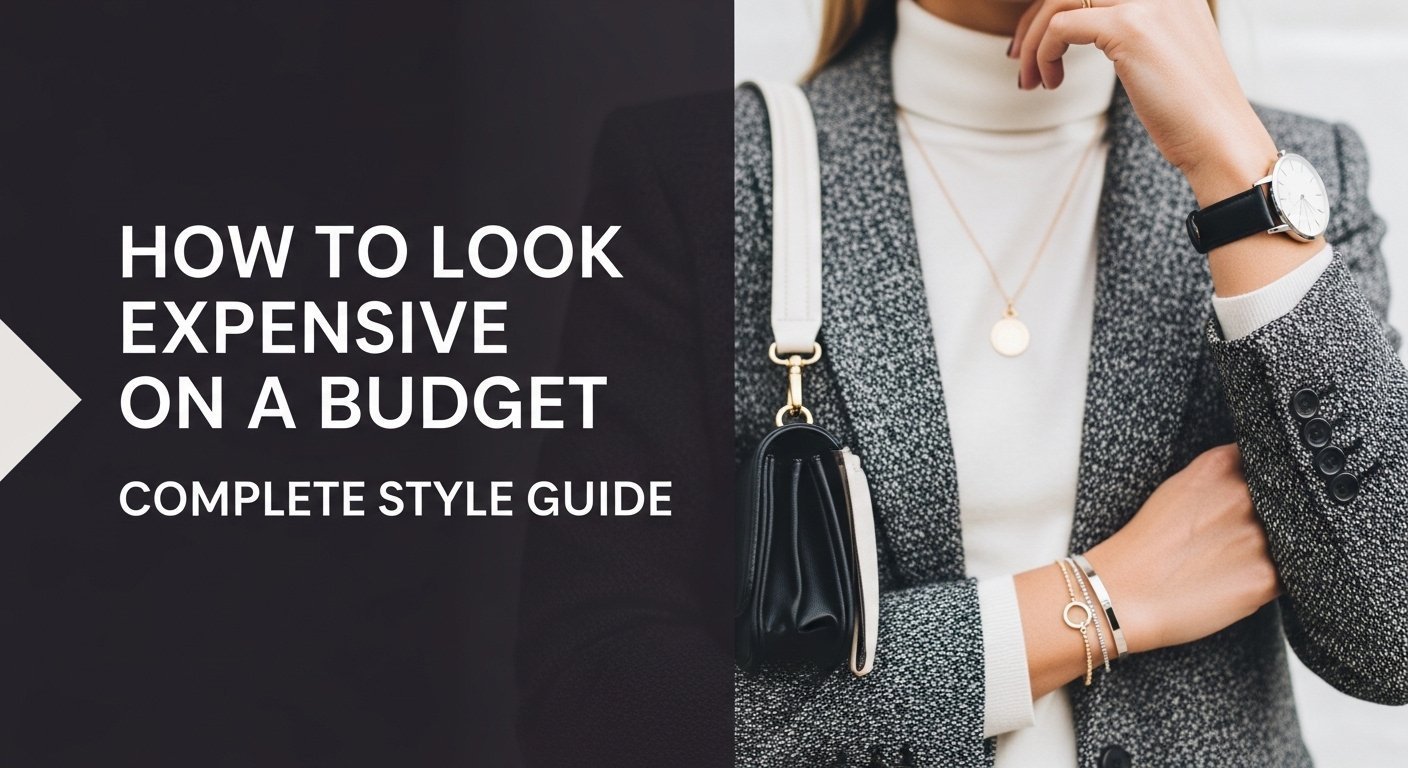
Struggling to make your style look as ambitious as you feel? You’re not alone. Many people believe a high-end look requires a high-end budget, but that’s simply not true. It’s less about price tags and more about smart choices.
Looking expensive on a budget is achieved by focusing on three core principles: impeccable fit, high-quality materials, and a neutral, cohesive color palette. This strategy involves investing in timeless wardrobe staples, utilizing tailoring to perfect the silhouette, and accessorizing strategically to elevate an outfit’s perceived value without a high price tag.
Based on proven style strategies from fashion experts, this guide provides the framework to master a sophisticated aesthetic. You’ll discover how to build a wardrobe that suggests wealth, not through spending, but through knowledge. This approach elevates your personal branding and boosts self-confidence.
Key Facts
- Tailoring is Transformative: A perfect fit is the most critical element. A tailored $50 blazer can look more luxurious than a poorly-fitting $500 one, demonstrating the power of alterations.
- Neutral Colors Signal Sophistication: A color palette of beige, camel, navy, cream, and black forms a timeless and versatile foundation, making clothes look more premium.
- Grooming is Essential: A polished appearance is non-negotiable. An expensive outfit is instantly cheapened by unkempt hair, chipped nails, or wrinkled fabric.
- The “Third Piece” Elevates Basics: Adding a structured “completer” piece, like a blazer or a quality coat, can instantly transform a simple jeans and t-shirt combination into a chic ensemble.
- Cost Per Wear Justifies Quality: Spending more on a timeless staple is a smarter financial move. A $200 coat worn 100 times ($2 per wear) is a better investment than a $40 trendy jacket worn four times ($10 per wear).
How to Look Expensive on a Budget: A Complete Style Guide
The core principle of looking expensive is not about owning designer brands, but about mastering the details of fit, fabric quality, and a cohesive color palette. The secret is understanding the psychology of style. A polished and intentional appearance achieved through timeless choices speaks louder than any logo. This guide is built on the philosophy that a premium look is an attainable skill, not a privilege of wealth.

This concept is often called “quiet luxury” [understated wealth signaled by quality and fit, not logos]. It’s about projecting confidence and intention through your appearance. By focusing on the foundational pillars of style—how clothes fit your body, the texture of the fabric, and the harmony of your color choices—you build a framework for an elegant aesthetic. This approach minimizes cost while maximizing visual impact, directly influencing your personal branding.
The journey to an expensive look starts with shifting your mindset from chasing fleeting trends to investing in yourself. It’s about building a wardrobe that works for you, enhancing your self-confidence with every outfit. Let’s explore the actionable strategies that make this possible.
What Colors and Fabrics Are Essential for an Expensive Look?
To look expensive, focus on a color palette of neutral tones like black, white, camel, beige, grey, and navy. These colors inherently signal sophistication and are incredibly versatile. For fabrics, prioritize natural materials like cotton, linen, and wool. High-quality synthetics like Tencel and structured polyester can also look premium, while you should avoid shiny, thin materials that often look cheap.
The power of a neutral color palette lies in its timelessness. These shades transcend seasons and trends, making them a smart investment. A monochromatic outfit, where you wear different shades and textures of the same color, is a proven style strategy to instantly create a more elegant and elongated silhouette. These colors provide a perfect canvas that allows high-quality fabrics and a great fit to stand out. Speaking of fabrics, their texture and structure are crucial.
Pro Tip: You can test a fabric’s quality in the store. Crumple a piece of the garment in your hand and hold for a few seconds. If it springs back with minimal wrinkling, it has a better structure and will hold its shape over time.
Choosing the right materials is essential for elevating your style. Some fabrics look luxurious, while others can cheapen an outfit instantly. Tencel, for example, is a sustainable fabric made from wood pulp, known for its beautiful drape and soft feel that mimics silk at a lower cost. Here is a simple breakdown of what to look for and what to avoid.
| Feature/Aspect | Fabrics That Look Expensive | Fabrics to Avoid |
|---|---|---|
| Material Type | Cotton, Linen, Wool, Cashmere, Silk, Tencel, Faux Suede | Shiny Polyester, Rayon, Acrylic, Cheap Lace |
| Key Attribute | Natural texture, good drape, matte finish, structural integrity | Thinness, excessive shine, prone to pilling, poor structure |
| Why It Works | suggests wealth through subtlety and quality |
Looks synthetic, loses shape, signals fast fashion |
By building a capsule wardrobe around these superior colors and fabrics, you create a collection of pieces that are easy to mix and match, ensuring you always look polished and put-together.
How Does a Perfect Fit Transform Budget Clothing?
A perfect fit is the most powerful tool for making budget clothing look custom-made and therefore more expensive. By taking affordable items to a tailor, you can create a structured silhouette that looks like it was designed specifically for you. Prioritize alterations that define your shape, such as taking in the waist on a jacket, hemming trousers to the perfect length, and ensuring sleeves end precisely at your wrist bone.
From years of working with clients, real-world experience shows that tailoring is the secret weapon of the stylish. I once bought a $30 blazer from a fast-fashion store, spent $20 on tailoring the waist and shortening the sleeves, and it now looks and feels like a $300 piece. This small investment completely transformed the garment from a generic item into a structured, flattering blazer that suits my body type perfectly. A good tailor helps clothes fit your unique body, not a generic mannequin, which is the essence of a tailored look.
Here are the most effective alterations to consider for maximum impact.
Top 3 High-Impact Alterations:
1. Hem Your Pants: Trousers or jeans that are too long or too short instantly look sloppy. Hemming them to the perfect length for the shoes you’ll wear most often is a simple, game-changing fix.
2. Take in the Waist: Off-the-rack blazers, dresses, and coats often lack shape. Taking in the waist creates a more defined and flattering structured silhouette.
3. Adjust Sleeve Length: Sleeves should end right at your wrist bone. If they are too long, they can make an entire outfit look ill-fitting and cheap.
Finding a good, affordable tailor can feel daunting, but local dry cleaners often offer basic alteration services at a reasonable price. Here are some tips for your visit.
Tips for Talking to Your Tailor:
* Wear the shoes you plan to wear with the pants or dress you’re having altered.
* Bring inspiration photos if you have a specific fit in mind.
* Ask about the cost upfront to stay within your budget.
* Don’t be afraid to ask for their professional opinion on how a garment should fit.
Even small changes, like replacing cheap plastic buttons with higher-quality horn or metal ones, can dramatically transform the look of a garment.
How Can You Strategically Use Accessories to Elevate an Outfit?
To use accessories to look expensive, you must focus on investing in three key areas: a structured handbag, classic shoes, and a piece of timeless outerwear. For jewelry, opt for simple, understated pieces. The goal is to choose items that have clean lines, minimal branding, and high-quality hardware, as these details signal luxury and elevate your style significantly.
The principle here is quality over quantity. A single investment piece can upgrade an entire wardrobe of budget-friendly clothing. A structured bag, for instance, looks more expensive than a slouchy one because its clean lines and defined shape imply quality craftsmanship and order. This is where personal shopper secrets come in handy; focus on the impact an item has on your overall look.
Here is a simple hierarchy to guide your accessory investments.
Accessory Investment Hierarchy:
* Tier 1 (Highest Impact): A structured leather or high-quality faux-leather handbag, classic leather shoes (loafers, pointed-toe flats, or simple pumps), and a timeless coat (like a trench or wool overcoat).
* Tier 2 (Supporting Pieces): A simple leather belt, a silk or silk-blend scarf, and classic sunglasses.
* Tier 3 (Finishing Touches): Minimalist jewelry such as delicate chain necklaces, small gold or silver hoops, or a classic watch. Avoid trendy, oversized, or obviously fake costume jewelry.
When deciding where to spend a bit more, use the cost per wear analysis. You can calculate this with a simple formula: (Cost of Item) / (Number of Times Worn) = Real Cost. This thinking justifies spending more on a classic handbag you’ll use daily for years, making it a smarter personal budgeting choice than buying multiple trendy bags that go out of style quickly. For example, splurge on the timeless leather bag but save on the trendy earrings for the season.
What Shopping Strategies Maximize Quality on a Budget?
The best shopping strategy for looking expensive is to build a capsule wardrobe of versatile staples, master the art of high/low mixing, and shop secondhand for designer investment pieces. When buying new, prioritize affordable brands known for quality materials, and shop sales strategically by buying classic items out of season.
This mindful shopping approach, central to the slow fashion movement, helps you build a high-value wardrobe over time. It’s about buying fewer, better things. Instead of impulse buys, focus on a curated plan. Here are the core strategies to adopt.
5 Core Smart Shopping Strategies
1. Build a Capsule Wardrobe: A capsule wardrobe is a minimalist collection of 15-20 essential, timeless items that can be easily mixed and matched. This is your foundation. Think a great blazer, a white button-down shirt, dark-wash jeans, and classic trousers.
2. Shop Secondhand Strategically: Thrift stores and online consignment platforms are goldmines for finding designer brands at a steep discount. Instead of searching by brand, try searching for fabric content like “100% silk” or “cashmere blend” to find hidden gems.
3. Master High/Low Mixing: Pair an investment piece (like a quality coat or bag) with affordable basics. This elevates the style of the entire outfit, making your budget-friendly items from places like J.Crew Factory look more expensive.
4. Shop Sales Intelligently: The best time to buy a classic wool coat is in late spring. The best time for linen trousers is in the fall. Buying timeless staples out of season can save you 50-70%.
5. Prioritize Quality Budget Brands: Some brands consistently offer better quality for the price. Research and stick to brands known for good materials and construction, such as Quince or Everlane, which provide a premium look without the high-end price tag.

Adopting the “80/20 Wardrobe Rule” can also be transformative. Dedicate 80% of your closet to these timeless staples and use the remaining 20% for more fun, trendy pieces. This balance ensures you always have a solid foundation to build upon while still allowing for personal expression. Stop buying single outfits and start building a cohesive, long-lasting wardrobe.
What Common Styling Mistakes and Habits Should You Avoid?
The most common mistakes that make an outfit look cheap are wearing wrinkled clothing, ignoring poor fit, choosing items with flashy logos, and neglecting garment care. To avoid looking cheap, always iron or steam your clothes, ensure your shoes are clean, and opt for understated pieces over those with excessive branding. These simple upgrades are about attention to detail, which is the hallmark of luxury.
Turning common mistakes into teachable moments is key to refining your style. Instead of viewing these as failures, see them as opportunities for simple, high-impact improvements. For example, instead of a flashy logo belt, a simple, elegant leather belt signals status through quality, not overt branding. This demonstrates an understanding of sophisticated sartorial codes.
Here’s a clear guide to the simple swaps that instantly make you look more expensive.
| What Looks Cheap (Don’t) | The Expensive-Looking Fix (Do) |
|---|---|
| Wrinkled, unkempt clothes | Always iron or steam garments before wearing. |
| Poor fit (too big or too small) | Invest in basic tailoring for a custom, structured fit. |
| Loud logos and excessive branding | Opt for clean, unbranded pieces that focus on silhouette and fabric. |
| Scuffed, dirty shoes | Keep shoes clean, polished, and in good repair. |
| Too many flimsy accessories | Choose one or two quality or minimalist statement jewelry pieces. |
Your appearance is a system where every element matters. This extends to grooming routines and even clothing storage science—properly hanging or folding clothes prevents the wrinkles that cheapen a look. A polished, expensive appearance requires maintenance and planning, but the habits are simple to adopt and make all the difference.
FAQs About how to look expensive on a budget
How do I look expensive on a budget as a man?
To look expensive on a budget, men should focus on fit, fabric, and footwear. Ensure your shirts and trousers are tailored to fit your frame perfectly, avoiding bagginess. Invest in a high-quality, versatile blazer in a neutral color like navy or grey. Finally, always wear clean, well-maintained leather or suede shoes, as footwear is a major signifier of attention to detail.
Can you look expensive while wearing fast fashion?
Yes, you can look expensive in fast fashion by being highly selective and strategic. Focus on their pieces made from natural fabrics like 100% cotton or linen. Prioritize simple, classic designs without trendy embellishments. The key is to mix these budget items with higher-quality investment pieces, like a good coat or bag, and ensure the fast fashion items are perfectly tailored and wrinkle-free.
What are the best colors to wear to look rich?
The colors most associated with a rich, expensive look are deep, saturated neutrals. Think camel, beige, cream, navy blue, charcoal grey, and a true, deep black. Monochromatic outfits, where you wear shades of the same color, are particularly effective. These colors signal an understated, “old money” aesthetic that relies on quality and texture rather than bright, attention-grabbing hues.
How can I make my jeans and a t-shirt outfit look expensive?
Elevate a jeans and t-shirt look by focusing on the quality and fit of each piece and adding a third, “completer” piece. Choose a high-quality, plain white or black t-shirt that fits well. Pair it with dark-wash, perfectly fitting denim. Then, add a structured blazer, a classic trench coat, or a leather jacket. Finish with quality shoes and a structured bag to instantly transform the casual combo.
How important is grooming for an expensive look?
Grooming is critically important and can make or break an expensive look. An outfit of the highest quality will still look unkempt if your hair is messy, your nails are chipped, or your makeup is poorly applied. A polished appearance requires clean, styled hair, neat nails, and natural, well-applied makeup. These details signal that you invest time and care in your entire presentation, which is a core tenet of luxury.
How can a plus-size person use these tips to look expensive?
All the same principles apply, with an even greater emphasis on fit and structure. Invest in high-quality fabrics that drape well and don’t cling, like Tencel or high-density knits. Tailoring is crucial to ensure clothes skim the body and create a defined silhouette. Monochromatic dressing is especially powerful for creating a long, streamlined, and elegant look. A structured, high-quality coat is a fantastic investment piece.
What is the concept of “cost per wear” and how does it help?
“Cost per wear” is a calculation to determine the true value of a clothing item. You calculate it by dividing the item’s price by the number of times you expect to wear it. This helps you look expensive on a budget by justifying spending more on a timeless, high-quality staple. A $200 classic coat worn 100 times has a cost per wear of $2, making it a better investment than a $40 trendy jacket worn only four times ($10 cost per wear).
Should I buy designer dupes to look expensive?
It’s generally better to avoid obvious designer dupes and instead buy high-quality, unbranded items in classic styles. While dupes can be tempting, they often look cheap up close and can signal you’re trying too hard. A simple, well-made leather bag from an affordable brand will always look more authentically expensive than a poor-quality fake of a famous designer bag. Focus on the style, not the logo.
How do I start building an expensive-looking wardrobe from scratch?
Start by creating a small “capsule wardrobe” of 10-15 versatile, neutral-colored staples. Begin with what you have and identify gaps. Your first purchases should be the most impactful items you’re missing, such as a well-fitting blazer, a pair of classic dark-wash jeans, or a timeless trench coat. Prioritize quality and fit for these core pieces before buying anything else.
What’s one simple habit that can instantly make me look more polished?
The simplest habit is to never leave the house in wrinkled clothes. Taking just five minutes to steam or iron your outfit is the single most effective thing you can do to look more polished and put-together. Wrinkles instantly make any garment—no matter how high-quality—look cheap and uncared for. A wrinkle-free appearance signals intention and attention to detail.
Key Takeaways: How to Look Expensive on a Budget Summary
- Fit is Non-Negotiable: The single most impactful way to make any piece of clothing look expensive is to have it tailored to fit your body perfectly. A $50 blazer that is tailored will always look more luxurious than a $500 one that is ill-fitting.
- Master a Neutral Color Palette: Build your wardrobe around a foundation of neutral colors like black, white, camel, grey, and navy. These
neutral tonesinherently look more sophisticated and offer maximum versatility, making it easy to create cohesive,monochrome outfits. - Invest in the “Big Three” Accessories: Your handbag, shoes, and coat have the most power to
elevate your style. Prioritize your budget here, opting for astructured bag, classicquality shoes, and a timeless piece of outerwear with clean lines. - Focus on Fabric Texture Over Shine: Expensive-looking materials tend to have a matte finish and natural texture. Choose fabrics like cotton, linen, wool, and Tencel, and avoid shiny, thin synthetics like cheap polyester and rayon that often signal
fast fashion. - Embrace the “Less is More” Philosophy: An
understated luxurylook is achieved through simplicity and quality, not quantity or flash. Avoid loud logos, excessive trendy jewelry, and overly complicated designs. Apolished appearancecomes from clean lines and impeccable grooming. - Develop Smart Shopping Habits: Stop buying random outfits and start building a
capsule wardrobe. Learn tomix high and lowfashion, shop secondhand forinvestment pieces, and calculate thecost per wearto make smarter long-term purchasing decisions. - Never Underestimate Garment Care: A pristine appearance
requires maintenance. Wrinkled clothes, scuffed shoes, or pilling sweaters will instantly cheapen your look. Always iron or steam your garments and keep your shoes clean and in good repair.
Final Thoughts on Achieving an Expensive Look on a Budget
Ultimately, looking expensive on a budget has little to do with money. It is about projecting confidence and intention through carefully chosen, well-fitting, and meticulously maintained clothing. You now have the complete roadmap to transform your wardrobe and elevate your personal style. True style is not about the price you pay, but the taste you demonstrate and the care you invest in your appearance.
By focusing on fit, embracing a neutral palette, investing wisely in key accessories, and caring for your clothes, you are taking control of your image. This knowledge is the real luxury. Your first step? Go through your closet and identify one item you can take to a tailor. This single action will prove just how powerful these principles are.
Last update on 2026-03-11 / Affiliate links / Images from Amazon Product Advertising API


