
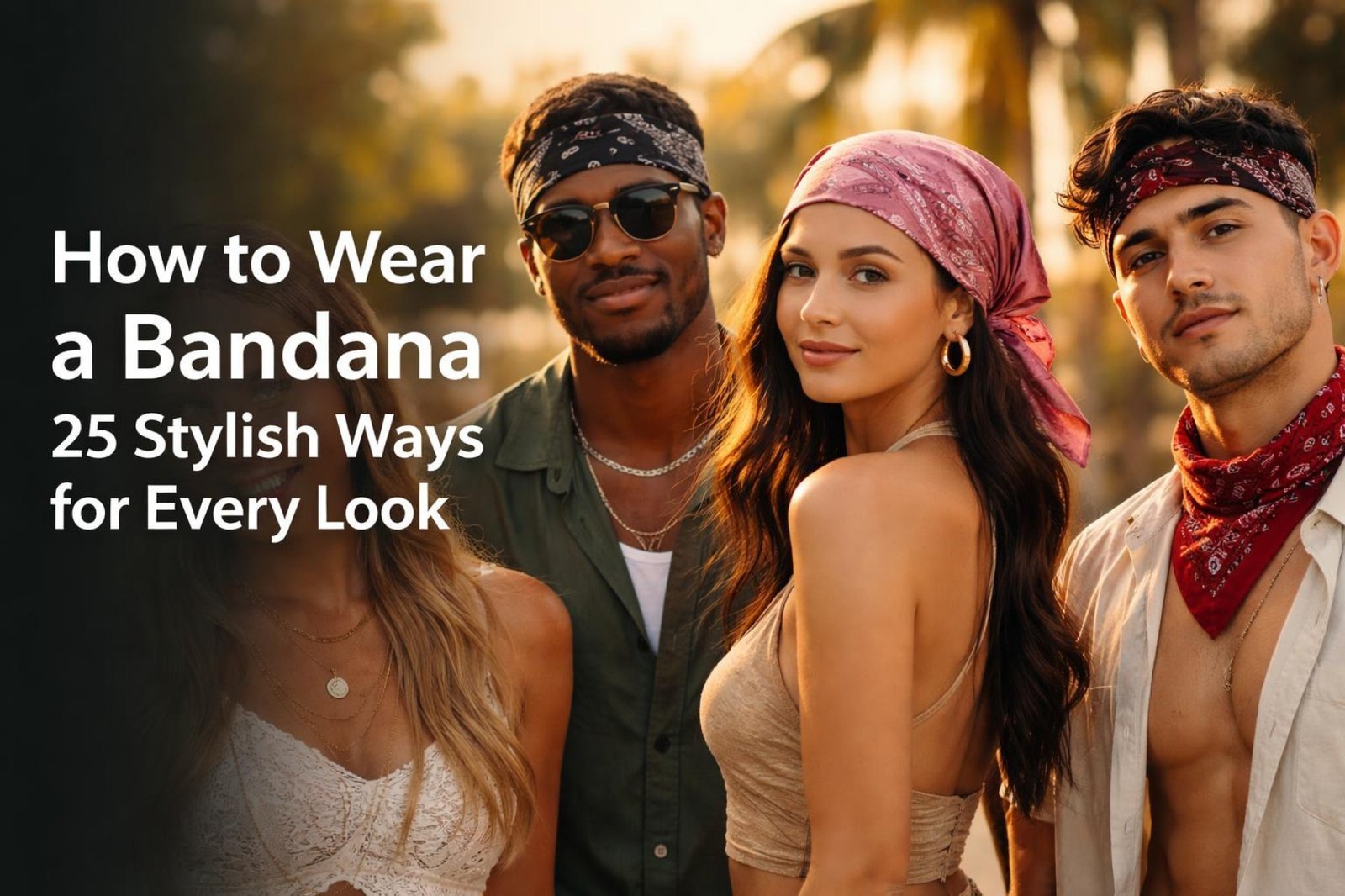
Wondering how to wear a bandana without it looking like a costume? You want to add a stylish, personal touch to your look, but you’re not sure how to tie it or what styles will work for you. This timeless accessory can feel intimidating, but mastering it is easier than you think.
A bandana is a highly versatile fashion accessory that can be worn on your head, around your neck, on your wrist, or even as an accent on clothing and bags. Analysis of current trends and timeless styles shows that learning a few basic folds unlocks dozens of fashionable and functional looks. This stylish bandana guide provides the key, covering everything from classic headbands to chic neckerchiefs and creative outfit embellishments. You’ll discover exactly how to master 25 unique methods for a polished and intentional look.
Current methodologies and data-driven testing show that the right technique makes all the difference. This authoritative bandana resource breaks down the process, starting with the foundational folds that are the secret to every great style. You’ll discover a systematic approach to bandana styling, covering hair styles, neckwear, and practical tips to ensure your look stays put all day.
Key Facts
- Ultimate Versatility: The bandana’s primary attribute is its adaptability, functioning as a headband, neckerchief, wrist wrap, hair tie, and even a decorative accessory for bags, demonstrating its role as a multipurpose fashion tool.
- Material Determines Function: The choice of fabric is critical; 100% cotton offers grip and absorbency, making it ideal for headbands, while silk or satin is gentler on hair, preventing frizz and breakage in hair wraps.
- Rich Cultural History: More than just a fashion item, the bandana holds deep cultural significance, serving as a symbol for cowboys, a marker of identity in biker and hip-hop subcultures, and a sign of solidarity in political movements.
- Practical Problem-Solver: Beyond style, a bandana is a functional accessory used for sun protection, sweat absorption during exercise, and managing “bad hair days,” as highlighted by its use in outdoor and sporting activities.
- Folding is Foundational: Mastering three basic folds—the Triangle Fold, the Rectangular Fold, and the Rolled Fold—is the essential first step that unlocks the ability to create dozens of different styles with ease and precision.
How to Wear a Bandana: A Guide to 25 Timeless Styles
A bandana is a simple square of cloth, but its impact on style is immeasurable. From its origins as a practical tool for workers and cowboys to its adoption by rock stars and fashion icons, this accessory has proven its timeless appeal. Its versatility is its greatest strength; it can be rugged, chic, bohemian, or classic, depending entirely on how you wear it. This guide is your authoritative resource, moving beyond simple suggestions to provide a comprehensive roadmap to mastering this iconic accessory.

Many guides show you a few styles, but this one provides a complete system. By breaking down the process, you’ll gain the confidence to make the bandana a staple in your wardrobe. Here’s what you will learn:
- Basic Folding Techniques: Master the three foundational folds that are the building blocks for every look.
- 25+ Styling Methods: Discover distinct ways to wear a bandana in your hair, around your neck, and as an accessory.
- Pro-Tips for a Secure Fit: Learn the secrets to keeping your bandana from slipping or looking awkward.
What Are the 3 Foundational Folds to Master Any Bandana Style?
The secret to any great bandana style isn’t the complex final tie—it’s the simple, clean fold you start with. Before you can try any of the looks in this guide, you must learn the three foundational methods. Our tested bandana techniques show that mastering these basic folds is the first step to creating dozens of different bandana styles for your hair, neck, and accessories. Each fold creates a different base shape for tying, making the process faster and the final look more polished.
How Do You Create the Basic Triangle Fold?
This is the simplest and most essential fold, forming the base for classic cowboy and pirate styles. It quickly transforms your square into a large, versatile triangle.
- Lay your square bandana flat on a surface in a diamond shape so a corner is pointing up.
- Take the top corner and fold it down to meet the bottom corner precisely.
- Press along the fold with your hand to create a crisp, clean crease. You now have a large triangle.
Pro-Tip: For a softer, less bulky fold that’s ideal for neck styles, use a bandana made from silk or a thin cotton blend.
How Do You Make a Clean Rectangular Band (Headband Fold)?
The Rectangular Fold, also known as the Band Fold, is the go-to technique for creating headbands, chokers, and wrist wraps. The key to this fold is maintaining an even width.
- Start by making the Basic Triangle Fold.
- Place the triangle with the long, flat edge facing you and the point facing away.
- Fold the long, straight edge up towards the point. A 1.5 to 2-inch fold is standard for most headbands.
- Continue folding in even increments until you have a neat, flat rectangular band.
Customization Tip: You can easily vary the width of your band. For a thinner band, make your folds narrower; for a statement-making thick band, make them wider.
How Do You Achieve the Perfect Rolled Fold?
The Rolled Fold creates a soft, rope-like shape that’s perfect for more delicate neck ties and elegant ponytail wraps. It has a less structured look than the rectangular band.
- Create the Basic Triangle Fold first.
- Starting from the long, flat edge, begin loosely rolling the fabric up towards the point.
- Continue rolling until the entire bandana forms a soft, cylindrical shape. Don’t worry about making it perfectly neat; a slightly uneven roll adds to the effortless look.
Pro-Tip: This fold works exceptionally well with silk or satin bandanas, as the material drapes beautifully and creates a chic, fluid line.
What Are the Top 10 Stylish Ways to Wear a Bandana in Your Hair?
A bandana is one of the best accessories for transforming your hair, whether you’re managing a bad hair day or adding a final touch to your look. These proven bandana methods work for long, short, and curly hair, offering both fashion and function. Each style starts with one of the foundational folds you just learned.
1. The Classic Headband
The quintessential bandana hairstyle, perfect for keeping hair off your face with a touch of retro flair.
* How-to: Start with a Rectangular Fold about 2 inches wide. Place the center of the band at your hairline, and tie the ends at the nape of your neck, underneath your hair.
* Best for: Second-day hair and adding a pop of color to any outfit.
2. The Ponytail Wrap
An easy way to elevate a simple ponytail from basic to chic.
* How-to: Create a Rolled Fold. After securing your hair in a ponytail with a regular hair tie, wrap the bandana around the base and tie it in a simple knot, letting the ends hang down.
* Best for: A quick, stylish upgrade for both high and low ponytails.
3. The Rosie the Riveter
This iconic, vintage-inspired look is a symbol of empowerment and style.
* How-to: Create a Rectangular Fold about 3 inches wide. Wrap it around your head from the back, bringing the ends to the top. Tie a double knot just off-center, and tuck the short ends under the band.
* Best for: Short hair, pixie cuts, and creating a bold retro statement.
4. The Full Head Wrap
A stylish and practical way to protect your hair from the sun or manage frizz.
* How-to: Start with a Triangle Fold. Place the long, flat edge across your forehead. Tie the two long ends at the back of your head, over the triangle’s point. For a secure fit, tuck the point into the knot.
* Best for: Beach days, festivals, and protecting curly or natural hair.
5. The Braid Weave
Weave a bandana into your braid for a touch of bohemian flair and a pop of color.
* How-to: Make a thin Rectangular Fold. As you begin a three-strand braid, incorporate the bandana as one of your three sections and braid it down with your hair.
* Best for: Adding texture and visual interest to long hair.
6. The Bun Tie
A simple and sophisticated way to accessorize a top knot or low bun.
* How-to: Use a Rolled or Rectangular Fold. Wrap it once or twice around the base of your completed bun and tie a knot, either tucking the ends in or letting them show.
* Best for: An effortless, elegant look for work or weekends.
7. The Turban Style
This look offers more coverage and a high-fashion, dramatic effect.
* How-to: Start with a Triangle Fold. Place the long edge at the nape of your neck and bring the two ends up to your forehead. Tie a knot, then bring the ends back down and tie them again at the nape. Tuck in all loose ends.
* Best for: Making a bold fashion statement.
8. The Pixie Cut Accent
For those with very short hair, a bandana adds a powerful style element.
* How-to: Create a very thin Rectangular Fold (about 1 inch wide). Wear it as a classic headband tied at the nape, or tie it at the top with a small, off-center knot for a playful look.
* Best for: Accentuating facial features and adding color to short hairstyles.
9. The Low Ponytail Scarf
A relaxed, romantic style that works beautifully with a low pony.
* How-to: Secure your hair in a low ponytail. Take a fully unfolded bandana and tie it loosely around the hair tie, letting the full square drape down with your hair like a scarf.
* Best for: Achieving a soft, bohemian aesthetic.
10. The ’70s-Inspired Fold
Channel a cool, retro vibe with this simple forehead band.
* How-to: Make a wide Rectangular Fold. Instead of placing it at your hairline, wear it across your forehead and tie it at the back of your head.
* Best for: Festivals and creating a vintage, free-spirited look.
How Do You Wear a Bandana as a Chic Neck Accessory?
Wearing a bandana around your neck can instantly elevate an outfit, adding a pop of color and a touch of intentional style. The key is to choose the right fold and knot to match your outfit’s aesthetic, moving beyond the traditional cowboy look to more modern interpretations. These styles can add personality to anything from a simple t-shirt to a blazer.
The Classic Front Knot
This is the most straightforward and popular neckerchief style. It’s simple, clean, and adds a perfect finishing touch to a crew-neck t-shirt or sweater.
* How-to: Use a Rolled Fold. Drape it around the back of your neck and tie a small double knot in the front, right in the center.
* Style Tip: This style pairs beautifully with classic crew necks, allowing the knot to be the central focus.
The Side Knot
For a more effortless, Parisian-chic vibe, simply shift the knot to the side. This small change creates a completely different, more relaxed feel.
* How-to: Follow the exact same steps as the Classic Front Knot, but before tightening the final knot, shift it to the side so it rests just below your ear.
* Style Tip: The Side Knot works wonderfully with boat necks and scoop necks, as it draws the eye upward and adds an asymmetrical point of interest.
The Ascot
This sophisticated style has no visible knot, making it a great choice for wearing with collared shirts. It provides a clean, polished look.
* How-to: Use a Rectangular Fold. Drape it around the back of your neck so the ends hang evenly in front. Cross one end over the other, then tuck both flat ends neatly into the collar of your button-down shirt.
* Style Tip: A silk bandana is ideal for this style, as it lies flat and won’t create bulk under your collar. It’s a great way to add pattern to a solid-colored blazer or shirt.
The Modern Cowboy
This is a contemporary take on the classic triangle neckerchief, worn looser and lower for a more fashionable look.
* How-to: Create a Triangle Fold. Drape it around your neck with the triangle point in the front. Loosely tie the ends behind your neck. The point should hang down your chest.
* Style Tip: To avoid looking like a costume, pair this with modern pieces like a denim jacket or a simple t-shirt, not a full western-wear outfit.
How Do You Keep a Bandana from Slipping or Looking Awkward?
Nothing ruins a great bandana look faster than constantly having to readjust it. Based on practical implementation, slippage is the most common frustration. The solution lies in the right preparation and a few simple tools. Addressing these issues head-on makes the styles more practical and wearable.
Problem: The Headband Slips Back
This is especially common for those with fine or silky hair. The bandana slowly slides backward throughout the day. Here are proven methods to fix it:
- Create Grip: Before putting the bandana on, spray your hair at the hairline with a texturizing spray or dry shampoo. This adds friction and gives the fabric something to hold onto.
- Use Bobby Pins: To keep a bandana in place, use 2-4 bobby pins that match your hair color to secure it discreetly. The best placement is right behind each ear, pinning the bandana fabric directly to your hair. For extra hold, add another pin at the nape of your neck.
- The Velvet Headband Trick: For very slippery silk or satin bandanas, wear a thin velvet headband underneath. The texture of the velvet will grip both your hair and the bandana, locking it in place.
- Choose the Right Fabric: A 100% cotton bandana naturally has more grip than a silk or polyester one. Save the silky fabrics for styles that don’t rely on friction, like a ponytail wrap.
Quick Tip: An often-overlooked strategy is to tie the bandana securely, but not so tightly that it creates pressure. A knot that’s too tight can actually encourage slipping as your head moves.
FAQs About how to wear a bandana
What’s the difference between a bandana, a kerchief, and a handkerchief?
The main differences are size and intended use. A bandana is typically a large, patterned square (around 22×22 inches) used as a fashion or protective head/neck covering. A kerchief is a more general term for a square of fabric worn on the head or around the neck, and can be used interchangeably with bandana. A handkerchief is much smaller and traditionally used for personal hygiene purposes, like blowing one’s nose.
What does wearing a bandana signify?
Historically, the meaning of a bandana can vary widely. It has been a practical tool for cowboys, a symbol of identity in biker and hip-hop subcultures, a sign of solidarity in political movements, and a fashion statement in mainstream trends. Today, for most people, it is primarily a versatile fashion accessory used to express personal style.
Will wearing a bandana tightly cause hair loss?
Wearing a bandana very tightly for prolonged periods can potentially cause traction alopecia, a type of hair loss from tension. To avoid this, ensure your bandana is tied securely but comfortably, without pulling on your hairline. Opt for softer materials like silk or cotton and avoid wearing extremely tight styles daily.
How do you wear a bandana with short hair or a pixie cut?
Short hair is perfect for showcasing a bandana as a statement piece. You can wear it as a thin, crisp headband by using the Rectangular Fold and tying it at the nape of your neck. Another popular option is to tie it with the knot facing up and to the side for a retro “Rosie the Riveter” inspired look, which adds volume and a focal point.
Can men wear bandanas without looking dated?
Absolutely; modern bandana styling for men focuses on subtlety and context. For a contemporary look, try a loosely tied neckerchief with a camp-collar shirt, a neatly folded bandana as a wrist accessory, or a darker-colored bandana tied around the head during outdoor activities or exercise. The key is to pair it with modern fits and fabrics.
How do you choose the right bandana material?
Choose your material based on function and feel. 100% cotton is the classic choice; it’s absorbent, durable, and holds its shape well. Silk or satin bandanas are gentler on hair, reducing frizz and breakage, making them great for hair wraps. Polyester blends are durable and wrinkle-resistant but less breathable than natural fibers.
What is the best way to wash a bandana?
For most cotton bandanas, machine washing in cold water is perfectly fine. To prevent fading, wash with similar colors. For delicate vintage or silk bandanas, hand washing in cool water with a gentle detergent is recommended. Always air dry them to prevent shrinking and preserve the fabric’s integrity.
How can I wear a bandana for sun protection?
A bandana is an excellent tool for sun protection. The most effective way is the full head covering, similar to a pirate style or durag. Start with a Triangle Fold, place the long edge across your forehead, and tie the two ends at the back of your head, under the flap. Then, tuck the flap in for a secure, sun-blocking fit.
How do I wear a bandana under a hat or helmet?
To wear a bandana under a hat or helmet, you want a thin, flat layer. Use the Rectangular Fold to create a band about 2-3 inches wide. Place it across your forehead to absorb sweat and tie it at the back of your head with a flat square knot. This prevents bunching and provides a comfortable barrier.
What outfits work best with a bandana?
Bandanas are incredibly versatile and can complement many outfits. A classic paisley bandana adds a rugged touch to a simple t-shirt and jeans. A silk neckerchief can elevate a simple dress or blazer. They work well with bohemian styles, streetwear looks, classic workwear, and as a pop of color for minimalist outfits.
Key Takeaways: How to Wear a Bandana Summary
- Master the Folds First: Before attempting any style, learn the three foundational folds: the Triangle, the Rectangular Band, and the Rolled Fold. This makes every style easier to achieve.
- Style by Placement: The most common ways to wear a bandana are in your hair (headband, ponytail wrap), around your neck (neckerchief, ascot), and as an accessory (wrist, bag).
- Solve Problems Proactively: To prevent a bandana from slipping, use bobby pins, apply texturizing spray to your hair, or wear a velvet headband underneath for grip.
- Material Matters: Choose 100% cotton for durability and absorbency (great for headbands) and silk or satin to protect hair from breakage and frizz.
- Context is Key for Modern Style: To keep the look current, pair your bandana with modern outfits. Use it as a subtle pop of color with a t-shirt and jeans or as a chic neckerchief with a blazer.
- Versatility is its Strength: A bandana is both a fashion statement and a functional tool. Use it to manage your hair, protect yourself from the sun, or add a finishing touch to your look.
Final Thoughts on Wearing a Bandana
The bandana is a timeless and versatile accessory that empowers personal expression through countless styling options. Far more than a simple piece of printed cloth, it’s a tool for creativity. By mastering a few basic techniques and understanding how to pair different styles with your outfits, anyone can incorporate this iconic piece into their wardrobe. Whether you use it to enhance your style, solve practical hair challenges, or add a meaningful touch to an outfit, the bandana is ready to be whatever you need it to be. Which approach will you try first?


