
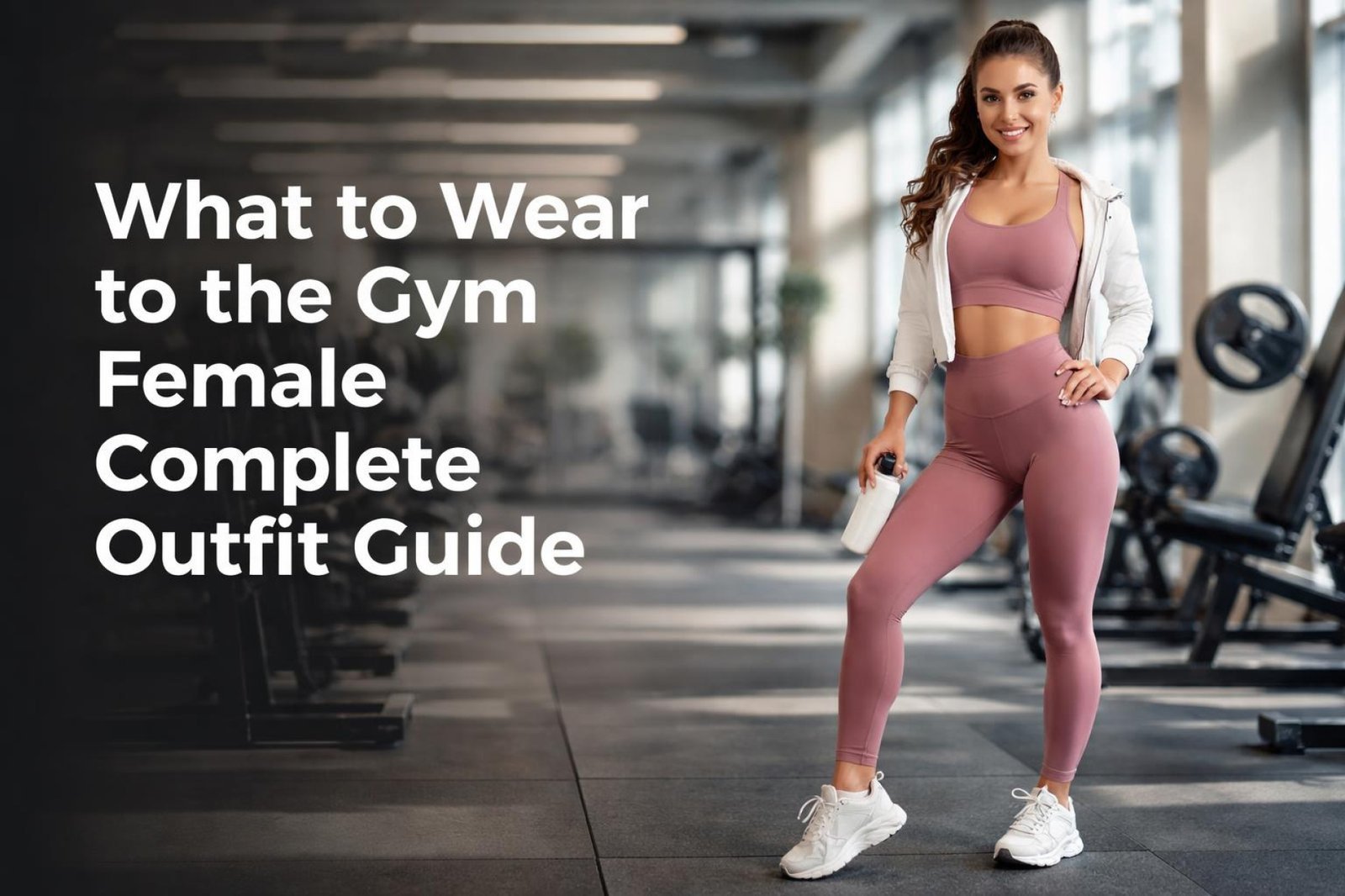
Wondering what to wear to the gym as a female? You’re not alone. Many women struggle with finding outfits that are comfortable, functional, and confidence-boosting for their workouts. This matters now more than ever.
Choosing what to wear to the gym as a female is critical for both performance and comfort. Proper gym attire, including supportive sports bras and moisture-wicking fabrics, helps regulate body temperature, allows for a full range of motion, prevents chafing, and can even reduce the risk of injury. This focus on function leads to a more effective and confident workout.
Based on an analysis of fitness expert recommendations, the right gym wear is a tool, not just an outfit. This guide reveals the science behind choosing the best apparel. You’ll discover exactly how to select items that enhance comfort, prevent injury, and boost performance for any workout.
Key Facts
- Performance Fabrics Are Essential: Moisture-wicking materials like polyester can improve workout performance by keeping you dry and comfortable, a key factor according to textile science for performance.
- Support Prevents Injury: A high-quality, supportive sports bra is shown to reduce the risk of breast tissue damage and discomfort during high-impact activities, based on fitness expert recommendations.
- The Right Fit Boosts Confidence: Research on enclothed cognition in fitness suggests that wearing well-fitting, functional gym outfits can significantly boost psychological confidence and motivation during exercise.
- Cotton Is a Poor Choice: Industry analysis reveals cotton absorbs sweat and becomes heavy, which can lead to chafing, discomfort, and a drop in body temperature, negatively impacting your workout.
- Functionality Improves Focus: Experienced female gym-goers report that functional features like squat-proof leggings and chafe-free seams allow them to focus entirely on their workout, not on wardrobe malfunctions.
What Should a Female Wear to the Gym for Optimal Comfort and Performance?
The right gym wear for a female is about more than style; it’s a crucial component for enhancing performance, ensuring comfort, and preventing injury during workouts. Have you ever tried working out in a regular cotton t-shirt, only to end up with a heavy, damp, and clingy mess? This common experience highlights why specialized women’s workout clothes are essential. The difference between struggling through a workout and owning it often comes down to what you’re wearing.

Based on personal trainer insights, the key functions of female gym attire include providing support, enabling a full range of motion, regulating body temperature through moisture-wicking fabrics, and boosting psychological confidence. Investing in quality workout clothes designed for physical activity helps prevent common issues like chafing, overheating, and restricted movement. This leads to a more effective and enjoyable fitness experience. Athletic apparel biomechanics show that clothing should work with your body, not against it.
This principle connects to the concept of enclothed cognition in fitness, where the clothing you wear can influence your mindset and physical output. When you feel supported and comfortable in your female gym outfits, you’re more likely to push harder and feel more positive about your workout. This is especially true for beginners, as managing gym anxiety is easier when you’re not worried about your clothes. The right outfit can be a powerful tool for building body positivity in fitness from day one.
What Are The Essential Clothing Items for a Woman’s Gym Wardrobe?
A woman’s essential gym wardrobe is built on three core categories: 1. Supportive Sports Bras (categorized by impact level), 2. Breathable Tops (T-shirts, tanks, or crop tops), and 3. Functional Bottoms (squat-proof leggings or shorts). The final essential is a pair of workout-appropriate training shoes. Creating a “capsule wardrobe” for the gym with these high-quality pieces ensures you’re always prepared, comfortable, and confident for any physical activity. Each piece should prioritize moisture-wicking fabric, a durable and comfortable fit, and a design that supports your workout.
How Do You Choose the Right Sports Bra for Maximum Support?
Match the sports bra’s impact level to your activity: low-impact for yoga/walking, medium-impact for cycling/strength training, and high-impact for running/HIIT. According to qualified fitness coach advice, a proper sports bra is the most critical investment for female gym wear. It minimizes bouncing, which protects sensitive breast tissue from damage and reduces discomfort. Your bra should fit snugly but not restrict breathing. The band provides most of the support, and there should be no wrinkling or gapping in the cups.
There are two main types to consider:
* Compression Bras: These function by pressing the breasts firmly against the chest, hugging you tight. They are often best for A and B cups and low-to-medium impact activities.
* Encapsulation Bras: These have individual cups that surround and support each breast separately, much like a regular bra. They are excellent for larger cup sizes and provide superior support for high-impact workouts.
Think of it like car shocks. You need bigger shocks (a high-impact bra) for a bumpy road (running) than for a smooth highway (yoga).
Common Mistake: Don’t choose a sports bra based on your regular bra size. Brands vary significantly, so always check their specific size chart. Get measured if possible and remember to replace your sports bras regularly as their elasticity wears out over time.
What Should You Look For in Women’s Gym Leggings and Shorts?
Look for three key features in gym leggings or shorts: 1. Squat-Proof Fabric (opaque and non-transparent when stretching), 2. High-Waisted Fit (for coverage and support that stays in place), and 3. Moisture-Wicking Material (to keep you dry and comfortable). From the perspective of experienced female gym-goers, nothing kills confidence faster than realizing your leggings have become see-through mid-squat.
Here is a quick checklist for your next purchase:
* Squat-Proof Fabric: The material should be thick enough to remain opaque when you bend and stretch. To check, try a deep squat in a well-lit changing room before you buy.
* High-Waisted Fit: This popular design offers better coverage, supports your core, and is less likely to roll down during movement.
* Moisture-Wicking Material: Look for synthetic blends that pull sweat away from your skin.
* A Gusseted Crotch: A diamond-shaped piece of fabric in the crotch area prevents the dreaded camel toe, enhances durability, and provides more freedom of movement.
* Functional Features: Conveniences like deep phone pockets are a game-changer for many women.
Myth vs. Fact:
* Myth: All expensive leggings are squat-proof.
* Fact: Price doesn’t guarantee opaqueness. Always do the bend-over test in good lighting, regardless of the brand or cost.
How Do You Choose the Right Fabrics for Female Gym Wear?
The secret to comfortable gym wear lies in the technical fabric compositions. Understanding the difference between materials that help you and materials that hinder you is crucial for an optimal workout. The best fabrics for female gym wear are synthetic materials like polyester and nylon for their moisture-wicking properties, combined with spandex (also known as elastane or Lycra) for stretch.
Think of it this way: cotton is like a towel—it’s designed to soak up water and hold onto it. Performance fabrics are like a high-tech squeegee—they are designed to move water away quickly. Cotton is hydrophilic (water-loving), while polyester is hydrophobic (water-hating). This is why a cotton shirt feels heavy and cold when you sweat, while a polyester shirt stays light and helps you feel dry. This process of moving sweat is called moisture-wicking, and it relies on capillary action to pull moisture from your skin to the fabric’s surface where it can evaporate.
Here is a simple breakdown of what to look for and what to avoid.
| Feature/Aspect | Performance Fabrics (Polyester, Nylon, Spandex) | Cotton |
|---|---|---|
| Moisture Handling | Wicks sweat away from skin; dries quickly. | Absorbs sweat; becomes heavy and wet. |
| Breathability | High; allows air circulation to keep you cool. | Low when wet; clings to skin. |
| Stretch & Shape | Excellent stretch and shape retention. | Stretches out and loses shape when wet. |
| Best For | High-intensity workouts, running, HIIT, yoga. | Very low-intensity activity or post-workout. |
Many sustainable activewear brands now offer eco-friendly options like recycled polyester and TENCEL™ Lyocell, which provide excellent performance with a smaller environmental footprint.
How Should a Woman Dress for Different Types of Workouts?
For Yoga/Pilates, wear high-waisted, flexible leggings and a fitted top. For HIIT/Running, prioritize a high-impact sports bra, sweat-wicking shorts, and a lightweight tank top. For Weightlifting, opt for squat-proof leggings or shorts with a comfortable t-shirt and flat, stable training shoes. Tailoring your outfit to your activity is a key principle of performance-tested fitness gear. What works for a zen yoga session won’t provide the support you need for a high-intensity interval training (HIIT) class.
For Yoga, Pilates, and Flexibility Workouts
- What to Wear: High-waisted, seamless leggings or yoga pants; a fitted tank top or longline sports bra.
- Why it Works: You need clothing with four-way stretch that moves with you without restriction. A fitted top won’t fall over your head during inversions like downward dog, and a high-waisted bottom ensures full coverage as you bend and twist. Seamless designs minimize chafing during floor work.
Pro-Tip: Avoid shorts that are too loose, as they can ride up or reveal more than you intend in certain poses.
For Running, HIIT, and High-Impact Cardio
- What to Wear: A high-impact sports bra; lightweight running shorts or compression leggings; a breathable, mesh-paneled tank top.
- Why it Works: The number one priority here is support and moisture management. A high-impact bra is non-negotiable to control bounce. Lightweight, quick-drying fabrics will keep you from feeling weighed down by sweat, and breathable panels enhance airflow to help regulate your body temperature.
Pro-Tip: Look for shorts with a built-in liner for extra comfort and coverage, and consider items with reflective details if you run outdoors in low-light conditions.
For Weightlifting and Strength Training
- What to Wear: Durable, squat-proof leggings or comfortable shorts; a breathable t-shirt or tank top; flat-soled, stable shoes.
- Why it Works: Durability is key, as your clothes may rub against barbells or benches. More importantly, your footwear is critical. Performance-tested principles show that flat, non-compressible soles (like those on classic Converse or specialized lifting shoes) create a stable base, allowing you to transfer force more effectively and safely during lifts like squats and deadlifts. Avoid thick, cushioned running shoes, as their soft soles can create instability.
Pro-Tip: Avoid overly baggy clothes that could snag on equipment. A well-fitting outfit allows you or a trainer to check your form more easily.
How Can a Female Address Specific Gym Wear Needs and Concerns?
The best gym outfit is one that makes you feel powerful and ready to move, regardless of your body type, experience level, or personal preferences. Addressing specific needs with thoughtful choices can transform your entire workout experience, turning self-consciousness into confidence.
For the Plus-Size Woman
For plus-size women, the best gym wear offers enhanced support, uses durable, chafe-free fabrics, and comes from brands with inclusive sizing. Look for sports bras with wider bands and straps for better support and comfort. High-waisted leggings made from a compressive but stretchy fabric can offer great support and are less likely to roll down. Many trusted brands now offer excellent plus-size friendly gym wear with features like chafe-resistant flatlock seams and designs that are tested on diverse body types.
For the Modest Woman
For women seeking modest gym wear, layering is key. You can achieve coverage without sacrificing performance. Start with a base of comfortable leggings. On top, opt for longline, loose-fitting tops or tunic-style workout shirts made from lightweight, breathable material. Some specialized brands also offer stylish and functional workout hijabs made from moisture-wicking fabrics. The goal is to find pieces that allow freedom of movement while meeting your desired level of coverage.
For the Beginner
Beginners should prioritize comfort and confidence to focus on the workout, not the outfit. If you’re just starting, you don’t need a whole new wardrobe. Begin with a quality pair of black leggings and a comfortable, non-restrictive top. A simple, well-fitting outfit helps you feel secure and ready to tackle a new routine. As you discover what activities you enjoy most, you can begin to invest in more specialized pieces. Feeling good is the first step to a great workout.
FAQs About what to wear to the gym female
What underwear should a female wear to the gym?
The best underwear for the gym is a seamless, moisture-wicking thong or brief made from synthetic materials like nylon or polyester. This combination helps prevent visible panty lines (VPL) under leggings and, more importantly, wicks away sweat to reduce the risk of yeast infections and irritation. Avoid cotton underwear as it retains moisture.
What should an older woman wear to the gym?
An older woman should prioritize comfort, support, and modesty by choosing high-quality, well-fitting pieces. Look for supportive sports bras, high-waisted leggings that offer gentle compression for support, and tops that provide good coverage without being restrictive. Layering with a lightweight jacket is also a great option for warming up and cooling down.
Can you wear a regular bra to the gym?
No, you should not wear a regular bra to the gym as it’s not designed for the impact of exercise. Regular bras lack the necessary support, leading to breast tissue damage and discomfort. Their materials, like cotton, also trap sweat. Always opt for a supportive sports bra matched to your workout’s intensity.
What should you wear if you don’t have gym clothes?
If you don’t have dedicated gym clothes, choose the most comfortable and unrestrictive items you own. Opt for stretchy leggings or shorts (not denim) and a synthetic or blend t-shirt (avoid 100% cotton if possible). The goal is to allow for a full range of motion without the risk of chafing or tearing fabric.
What are the best shoes to wear to the gym for women?
The best shoes depend on your workout; it’s not one-size-fits-all. For running, choose cushioned running shoes. For weightlifting, flat, stable trainers (like Converse or specific lifting shoes) are ideal. For general gym use and classes (HIIT, cardio), a good cross-training shoe offers a versatile balance of stability and cushioning.
How do you stop leggings from being see-through?
To stop leggings from being see-through, always buy leggings specifically labeled as “squat-proof” or “opaque.” Perform a “squat test” in a well-lit changing room before buying. Also, ensure you are wearing the correct size, as leggings that are too small will stretch out more and become transparent.
What should a woman wear to the gym in winter?
In winter, layering is key for the gym. Start with a moisture-wicking base layer (sports bra and leggings). Add a long-sleeve performance top over it. A lightweight, zip-up gym hoodie or jacket is perfect for wearing to and from the gym and during your warm-up. You can easily remove layers as your body heats up.
How do you solve chafing from gym clothes?
To solve chafing, wear properly fitting, seamless, moisture-wicking gym clothes. Chafing is caused by friction, often made worse by sweat and cotton fabrics. Ensure there are no rough seams in sensitive areas like the inner thighs or underarms. You can also apply an anti-chafe balm to problem areas before your workout.
Is it better to wear tight or loose clothes to the gym?
This depends on the activity, but a fitted (not overly tight) outfit is often best. Fitted clothes made of performance fabric move with your body, won’t get caught on equipment, and allow you to see your form. Loose clothes can be good for comfort and modesty, but ensure they aren’t so baggy that they become a safety hazard.
What do you wear to the gym on your period?
Wear whatever makes you feel most comfortable and secure, but dark-colored leggings are a popular choice for peace of mind. Pair your preferred menstrual product (tampon, cup, or pad) with leak-proof underwear for extra security. A slightly longer or looser top can also help you feel more confident and comfortable.
Key Takeaways: What to Wear to the Gym Female Summary
- Prioritize Function Over Fashion: The best gym outfit for a female enhances performance and comfort. Focus on three key fabric properties: moisture-wicking, breathability, and stretch. Avoid cotton for anything other than a very light workout.
- Invest in a Quality Sports Bra: This is the most critical piece of your workout wardrobe. Match the bra’s support level (low, medium, high) to your activity to ensure comfort and prevent tissue damage. A regular bra is not a substitute.
- Master the “Squat-Proof” Test: For leggings and shorts, “squat-proof” is non-negotiable for confidence and coverage. Look for opaque, durable fabrics and always test them in good lighting before committing. A high-waisted fit is almost always more comfortable and secure.
- Dress for Your Specific Workout: A yoga outfit requires flexibility, while a running outfit needs high support and breathability. Tailor your clothing choices to the demands of your activity for optimal results and safety.
- Solve Problems with the Right Gear: Common issues like chafing, transparency, and lack of support are not things you have to endure. They are problems that can be solved by choosing the right size, material (seamless, moisture-wicking), and fit.
- Inclusivity is Key: The “perfect” gym body doesn’t exist, and the perfect gym outfit is the one that makes you feel confident and ready to move. Brands increasingly offer fantastic options for plus-size, modest, and petite needs.
- Build a Core Wardrobe: You don’t need dozens of outfits. Start with a few high-quality essentials: 1-2 supportive sports bras, 2 pairs of versatile leggings/shorts, and 2-3 breathable tops. You can build from there.
Final Thoughts on Building Your Perfect Gym Wardrobe
Ultimately, the right gym wear for a female is what makes you feel comfortable, supported, and confident enough to focus on your workout and crush your goals. This guide has shown that the choices you make—from fabric to fit—are not just about fashion; they are about function and empowerment. Your gym clothes should be tools that help you perform better and feel great.
Don’t feel pressured to buy an entire new wardrobe at once. Start by investing in one key piece that solves your biggest frustration, whether it’s a high-quality sports bra or a pair of truly squat-proof leggings. Build your functional gym wardrobe from there, and focus on how each piece makes you feel. Your confidence is the best outfit you can wear.
Last update on 2026-03-01 / Affiliate links / Images from Amazon Product Advertising API


