Tired of dealing with unwanted hair on your upper lip? It’s a common frustration, and finding the right solution for upper lip hair removal can feel overwhelming with so many options available. You just want something that works for you without causing irritation or costing a fortune.
The best upper lip hair removal method depends on individual factors like hair type, skin sensitivity, desired permanence, and pain tolerance; this guide explores 11 proven options from temporary at-home solutions to long-lasting professional treatments, allowing you to discover the ideal technique for achieving smooth, confident results. This means there’s a perfect match for everyone.
Drawing from established best practices and a comprehensive analysis of current methods, this guide breaks down everything you need to know. You’ll discover 11 proven techniques, complete with step-by-step instructions and expert tips. Get ready to master your smooth and find the ideal approach for your unique needs.
Explore 11 Proven Methods to Effectively Remove Upper Lip Hair for Smooth Skin
Finding the perfect method to remove upper lip hair is about matching a technique to your specific needs. The landscape of upper lip hair removal techniques is vast, ranging from quick at-home fixes to long-term professional treatments. This section delves into 11 distinct methods, each with its own set of benefits, considerations, and ideal use cases. We’ll explore everything from the precision of threading and the painless application of depilatory creams to the lasting reduction offered by laser hair removal. By understanding how each method works, you can make an informed choice that aligns with your skin, hair type, and lifestyle for achieving that perfectly smooth upper lip.
1. Master Upper Lip Waxing at Home for Silky Smoothness

Pin this smooth skin secret to your beauty board!
Upper lip waxing is a popular at-home method that removes hair from the root, providing smooth results that can last for several weeks. It’s a quick and effective solution for many, but proper technique is essential to minimize pain and irritation, especially on delicate facial skin.
Supplies Needed
- Facial wax strips specifically designed for delicate facial skin, often pre-coated with aloe or chamomile for soothing properties.
- Pre-wax cleanser or rubbing alcohol to ensure skin is clean and oil-free.
- Post-wax oil or soothing lotion (e.g., those containing witch hazel or tea tree oil).
- Small mirror and good lighting.
- Powder (optional) to absorb excess moisture before waxing.
How To Do It
- Cleanse: Thoroughly clean your upper lip area with the pre-wax cleanser or rubbing alcohol to remove makeup, oils, and dirt. Pat dry completely.
- Powder (Optional): If your skin tends to be oily, apply a light dusting of powder to create a barrier and help the wax adhere better to the hair.
- Prepare Strip: Warm a wax strip between your hands for 20-30 seconds, then slowly peel the strips apart.
- Apply Wax: Apply one strip to a small section of your upper lip, pressing firmly in the direction of hair growth. Smooth it down 2-3 times to ensure good adhesion.
- Remove Hair: Hold the skin taut with one hand, and with the other, swiftly pull the strip off in the opposite direction of hair growth. Pull parallel to the skin, not upwards.
- Soothe: Immediately after, press a clean finger or a cool, damp cloth onto the waxed area to reduce redness and discomfort.
- Aftercare: Apply post-wax oil or soothing lotion to remove any wax residue and calm the skin. Avoid touching the area excessively, and refrain from makeup, hot showers, or sun exposure for several hours.
Pro-Tip: Always do a patch test 24 hours prior to waxing a larger area. Look for dermatologist-approved upper lip hair removal wax kits for optimal safety and efficacy, especially if you have sensitive skin. Choosing specific wax formulations for fine vellus hair versus coarser terminal hair can significantly improve results and reduce irritation.


2. Get Precise with Upper Lip Threading for Defined Results

Thread your way to a flawless upper lip – save this guide!
Upper lip threading is an ancient technique that uses a twisted cotton thread to remove individual hairs from the follicle. It’s celebrated for its precision, making it one of the natural hair removal methods that is exceptionally gentle on the skin.
Supplies Needed
- Antibacterial thread (typically 100% cotton, strong but thin) specifically for threading, often available at beauty supply stores.
- Small pair of sharp scissors to cut the thread.
- Magnifying mirror and good lighting.
- Antiseptic toner or witch hazel for pre- and post-threading.
- Aloe vera gel or a calming moisturizer for aftercare.
How To Do It
- Prepare Skin: Cleanse your upper lip thoroughly and apply an antiseptic toner or witch hazel. Ensure the skin is completely dry.
- Cut Thread: Cut a piece of thread about 18-24 inches long. Tie the ends together to form a loop.
- Create Loops: Place your hands inside the loop, spreading your fingers to create tension. Twist one side of the loop 5-7 times to form a small, tight helix in the middle. This twisted section is your hair-grabbing tool.
- Practice Motion: Practice opening and closing your fingers (usually thumb and forefinger) to make the twisted section move back and forth. The movement should be smooth and controlled.
- Position Thread: Hold the thread so the twisted section is just above the hair you want to remove. The thread should be held close to the skin, with the bottom loop slightly under the hairs.
- Trap & Pull: Using the opening/closing motion of your fingers, trap the hairs in the twisted section of the thread. Then, quickly and firmly move your hands in opposite directions to pull the hairs out from the root. Always pull against the direction of hair growth.
- Soothe: After threading, apply aloe vera gel or a calming moisturizer to reduce redness and soothe the skin. Avoid makeup and sun exposure for several hours.
Pro-Tip: Threading works best on fine hair upper lip and is often gentler than waxing, causing less redness. However, it requires practice to master. Consider seeking a certified laser technician upper lip or professional esthetician for your first few sessions or if you have very sensitive skin.

3. Achieve Painless Results with Depilatory Creams for Upper Lip

Unlock a painless routine! Pin this to your “Beauty Hacks” board.
A depilatory cream for upper lip offers a painless upper lip hair removal option by using chemicals to dissolve hair at the skin’s surface. It’s a quick and convenient method, but extreme care must be taken to prevent skin irritation.
Products & Tools Used
- Facial depilatory cream specifically formulated for the upper lip area (avoid body creams, which can be too harsh). Look for sensitive skin formulas.
- Small spatula or applicator often included with the cream.
- Timer.
- Soft, damp cloth or sponge.
- Calming moisturizer or aloe vera gel.
Application Steps
- Patch Test (CRITICAL): Apply a tiny amount of cream to a discreet area (e.g., behind your ear or inside your elbow) 24 hours before full application. Check for any redness, itching, or irritation.
- Cleanse & Dry: Ensure your upper lip area is clean, dry, and free of makeup or other skincare products.
- Apply Cream: Using the spatula or your finger, apply a thick, even layer of the depilatory cream to the upper lip hair. Do not rub it in. Avoid contact with your actual lip and nostrils.
- Set Timer: Consult the product instructions for the exact timing. This is crucial; do not exceed the recommended duration, usually 3-10 minutes.
- Test Area: After the minimum time, gently wipe away a small amount of cream with the spatula or cloth to check if the hair comes off easily.
- Remove Cream: Once the hair is easily removed, gently wipe off the rest of the cream with the damp cloth or sponge. Rinse the area thoroughly with lukewarm water, making sure no cream residue remains.
- Soothe & Moisturize: Pat your skin dry and apply a calming, fragrance-free moisturizer or aloe vera gel to rehydrate and soothe the treated area.
Pro-Tip: While depilatory cream for upper lip is known for painless upper lip hair removal, it can cause chemical burns if left on too long. Always adhere to the manufacturer’s time limits, and opt for “hypoallergenic upper lip cream” formulations to minimize skin irritation from hair removal.

4. Experience Long-Lasting Smoothness with Laser Hair Removal for Upper Lip

Considering laser? Pin this guide to your “Permanent Hair Removal” board!
Laser hair removal for upper lip is a professional treatment that uses concentrated light to target and damage hair follicles, resulting in significant long-term hair reduction. It’s a popular choice for those seeking a more permanent solution than temporary methods.
What You Need
- Consultation with a certified laser technician or dermatologist to assess your hair and skin type (Fitzpatrick scale) and determine suitability.
- Series of professional laser hair removal sessions (typically 6-8, spaced 4-6 weeks apart).
- High-SPF broad-spectrum sunscreen for post-treatment protection.
- Aloe vera gel or soothing post-laser cream.
What To Do
- Initial Consultation: Schedule a consultation to discuss your goals, assess your skin and hair (laser works best on dark hair against light skin due to melanin targeting), and understand the process, potential risks, and cost.
- Pre-Treatment Preparation: Avoid sun exposure, tanning beds, and self-tanners for at least 4-6 weeks before treatment. Shave the upper lip area 12-24 hours before your appointment – do not wax, pluck, or thread, as the laser needs the hair follicle intact.
- During Treatment: Wear protective eyewear provided by the clinic. The technician will apply a cooling gel (if required by the device) and use a handheld laser device to pulse light energy onto your upper lip area. You may feel a sensation akin to a rubber band snap.
- Post-Treatment Care: Apply aloe vera or a soothing cream. Avoid sun exposure and use high-SPF sunscreen daily. Refrain from hot showers, saunas, and strenuous exercise for 24-48 hours. Any redness or swelling typically subsides within a few hours to a day.
- Follow-Up Sessions: Attend all scheduled follow-up sessions. Consistency is key for optimal results, as lasers are most effective on hairs in the active (anagen) growth phase.
Pro-Tip: While laser hair removal for upper lip offers a “long-lasting solution”, it often leads to significant hair reduction rather than complete “permanent upper lip hair removal”. For absolute permanence, electrolysis for upper lip hair is currently the only FDA-approved method. Discuss “post-inflammatory hyperpigmentation prevention” with your technician if you have a darker skin tone.

5. Embrace the Precision of Electrolysis for Upper Lip Hair

Discover true permanence. Pin this electrolysis guide!
Electrolysis for upper lip hair is the only method cleared by the FDA for permanent hair removal. It works by inserting a very fine probe into each individual hair follicle and delivering an electrical current to destroy the hair’s growth cells.
What You Need
- Consultation with a board-certified electrologist to determine treatment plan, number of sessions, and assess suitability for individual hair and skin type.
- Series of professional electrolysis sessions (frequency and duration depend on hair growth and treated area).
- Pre and post-treatment skincare advice from your electrologist.
- Pain management options (topical numbing cream if recommended).
What To Do
- Initial Consultation: Meet with a licensed electrologist to discuss the process. They will explain how a fine probe is inserted into each hair follicle to deliver a tiny electrical current, destroying the follicle’s ability to grow hair.
- Preparation: Avoid tweezing, waxing, or threading for several weeks before treatment, as the electrologist needs to see the hair to treat the follicle. Shaving is permitted.
- During Treatment: The electrologist will use a magnifying lamp and a fine probe (similar to a needle) to target individual hair follicles on your upper lip. You might feel a brief heat sensation or pinch as the electrical current is applied. The electrologist will then remove the treated hair with tweezers.
- Post-Treatment Care: The treated area may experience some redness, swelling, or minor scabbing, which should subside within a few days. Follow your electrologist’s specific aftercare instructions, which typically include keeping the area clean, avoiding makeup for 24 hours, and applying soothing products.
- Consistent Sessions: Electrolysis requires multiple sessions, as each hair must be treated individually and hairs grow in cycles. Consistency is vital for achieving permanent results.
Pro-Tip: Electrolysis offers long-term results upper lip for all hair colors and skin types, unlike laser which is melanin-dependent. While it is the “only FDA-cleared method for permanent hair removal”, it’s a commitment. Look for a qualified practitioner upper lip treatment to avoid adverse effects like scarring or hyperpigmentation.

6. Opt for Quick Convenience with Upper Lip Shaving for Women

Need a quick fix? Pin this upper lip shaving guide!
Upper lip shaving for women is a fast, accessible, and painless method that cuts hair at the surface of the skin. While it offers immediate results, it is a very temporary solution that requires frequent upkeep.
Tools Required
- Facial razor for women (typically a small, single-blade tool often referred to as a dermaplaning tool) or a precise electric facial trimmer.
- Gentle facial cleanser.
- Shaving cream, gel, or a facial oil (non-comedogenic).
- Soothing, non-comedogenic moisturizer.
Process
- Cleanse Skin: Wash your face with a gentle cleanser to remove makeup, dirt, and oils. Pat your skin dry.
- Prep Skin: Apply a thin layer of shaving cream, gel, or facial oil to your upper lip area. This creates a barrier, reduces friction, and allows the razor to glide smoothly.
- Hold Skin Taut: Gently stretch your upper lip skin taut with one hand.
- Shave: Hold the facial razor at a 45-degree angle to your skin. Use short, light, downward strokes in the direction of hair growth. Avoid pressing too hard or going over the same area multiple times.
- Rinse & Moisturize: Rinse your face with cool water to remove any hair or product residue. Pat dry with a clean towel. Apply a generous amount of soothing, non-comedogenic moisturizer to hydrate and calm the skin.
- Clean Razor: Clean your razor after each use and replace it frequently (every 1-3 uses for disposable ones) to maintain sharpness and hygiene.
Pro-Tip: Shaving does NOT make hair grow back thicker or darker. It only blunts the tip, making it appear coarser initially. For “sensitive skin hair removal”, using a sharp, clean facial razor and a good shaving medium is crucial to prevent skin irritation from hair removal.

7. Discover Natural Softness with Sugaring Paste for Upper Lip

Go natural! Pin this sugaring guide for a gentle hair removal.
Using sugaring paste for upper lip is a natural hair removal method that dates back centuries. The paste, made from sugar, lemon juice, and water, is gentle on the skin and removes hair in the direction of growth, which can help reduce breakage and ingrown hairs.
Supplies Needed
- Sugaring paste (either homemade from sugar, lemon juice, and water, or a pre-made commercial kit).
- Powder (talc-free baby powder or cornstarch).
- Antiseptic cleanser.
- Soothing aloe vera gel or calming lotion.
- Small wooden applicator sticks (if using a pre-made soft paste).
Step-by-Step Directions
- Prepare Paste (if DIY): Combine 2 cups granulated sugar, 1/4 cup lemon juice, and 1/4 cup water in a saucepan. Heat on medium-low, stirring until sugar dissolves. Bring to a boil, then reduce heat and simmer until the mixture turns a golden amber color (about 10-15 minutes). Let it cool to a workable, warm temperature.
- Cleanse & Powder: Cleanse your upper lip area thoroughly and pat dry. Apply a light dusting of powder to absorb any excess moisture, helping the paste adhere only to the hair.
- Test Temperature: If using homemade paste, ensure it’s warm but not hot to the touch.
- Apply Paste:
- Ball Method (Hard Paste): Take a small ball of paste and knead it until pliable. Apply it against the direction of hair growth on a small section of your upper lip, pressing firmly.
- Strip Method (Soft Paste): Use a wooden applicator to spread a thin layer of paste against the direction of hair growth. Apply a fabric strip over it and press firmly.
- Remove Hair:
- Ball Method: Flick the paste quickly and sharply in the direction of hair growth, keeping it parallel to the skin. Repeat using the same ball of paste until it loses its stickiness.
- Strip Method: Hold the skin taut, and quickly pull the strip off in the direction of hair growth.
- Clean & Soothe: Rinse any residue with warm water. Apply aloe vera gel or a soothing moisturizer to calm the skin and reduce redness.
Pro-Tip: Sugaring provides temporary relief upper lip similar to waxing but is often less irritating because it adheres less to the skin and removes hair in the direction of growth, minimizing breakage and “ingrown hairs after upper lip removal”. Mastering the technique takes practice, especially the DIY sugar waxing for upper lip hair removal tutorial beginners.

8. Opt for Exfoliation & Hair Removal with Upper Lip Dermaplaning

Glow and smooth! Pin this dermaplaning technique.
Upper lip dermaplaning is a dual-purpose technique that both exfoliates skin and removes fine vellus hair (peach fuzz). It involves using a small, single blade to gently scrape away dead skin cells and hair, leaving the skin exceptionally smooth.
Tools Needed
- High-quality dermaplaning tool or a dedicated facial razor designed for exfoliation and peach fuzz removal.
- Gentle facial cleanser.
- Non-comedogenic facial oil or serum for glide.
- Soothing, hydrating moisturizer.
How To Do It
- Cleanse Thoroughly: Begin with a thoroughly cleansed and dry face. Ensure all makeup, oils, and impurities are removed.
- Prep Skin: Apply a thin layer of non-comedogenic facial oil or serum to your upper lip area. This provides a necessary glide for the blade and protects your skin.
- Hold Skin Taut: Use one hand to gently pull your upper lip skin taut.
- Angle the Blade: Hold the dermaplaning tool at a 45-degree angle to your skin. This is a critical step to prevent nicks and ensure effective hair and dead skin cell removal.
- Gentle Strokes: Use short, light, downward strokes, moving against the direction of hair growth. Apply minimal pressure and avoid going over the same area multiple times. Be extremely careful around the sensitive lip area.
- Clean Blade: Wipe the blade frequently on a clean tissue to remove accumulated hair and dead skin cells.
- Hydrate & Protect: Once complete, gently rinse your face with cool water. Pat dry and apply a rich, hydrating moisturizer to soothe and nourish the newly exposed skin. Finish with a broad-spectrum SPF if it’s daytime.
Pro-Tip: Dermaplaning enhances appearance upper lip by removing vellus hair removal (peach fuzz) and dead skin cells, making makeup application smoother and skincare products absorb better. Remember, it only removes hair at the surface and offers temporary results. Always use a fresh, sterile blade to prevent bacteria and irritation.

9. Safely Bleach Upper Lip Hair for a Lighter Look

Lighten up! Pin this guide for discreet upper lip hair solutions.
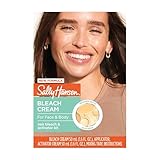
For those who prefer a non-removal option, the choice to bleach upper lip hair can make it less noticeable. This method doesn’t remove the hair but lightens its color, offering a painless and discreet facial hair removal alternative.
Products Needed
- Facial hair bleach kit specifically designed for delicate facial skin. These kits typically include a cream activator and a cream lightener.
- Small mixing tray and spatula (often provided in the kit).
- Timer.
- Cotton pads or clean tissue.
- Mild facial cleanser.
- Soothing, fragrance-free moisturizer.
Quick Steps
- Patch Test (CRITICAL): 24 hours before full application, mix a tiny amount of the bleach according to instructions and apply it to a small, inconspicuous area of skin. Check for any adverse reactions like severe redness, itching, or burning.
- Cleanse & Dry: Wash your upper lip area with a mild cleanser and pat it completely dry. Ensure the skin is free of makeup, oils, or any irritants.
- Mix Bleach: Follow the kit instructions precisely to mix the cream activator and cream lightener. Do not deviate from the recommended ratios.
- Apply Bleach: Using the spatula, apply an even layer of the mixed bleach directly over the upper lip hair, ensuring all hairs are covered. Avoid applying it to your actual lips or inside your nostrils.
- Set Timer: Adhere strictly to the processing time recommended in the instructions, usually 5-10 minutes. Do not exceed this time, as it can cause irritation or over-lightening.
- Check & Remove: After the minimum time, use the spatula to gently remove a small portion of the bleach to check if the desired lightening has occurred. Once achieved, wipe off all the bleach with the spatula or a damp cotton pad.
- Rinse & Moisturize: Rinse the area thoroughly with cool water to remove all traces of the bleach. Pat dry and apply a generous amount of soothing, fragrance-free moisturizer to rehydrate and calm the skin.
Pro-Tip: Bleaching is a “painless upper lip hair removal” alternative, as it only lightens the hair, making it less visible, rather than removing it. It is ideal for “vellus hair removal” or fine, lighter hair types. For dark upper lip hair removal, it might not be suitable as it can make hair appear brassy or still noticeable.
10. Slow Growth with Hair Growth Inhibitors for Upper Lip

Reduce regrowth! Pin this hair growth inhibitor tip to your beauty regimen.
Hair growth inhibitors for upper lip are topical products designed to slow down upper lip hair growth over time. They are not a removal method but a complementary solution used after hair removal to reduce the frequency of maintenance.
Products Needed
- Topical hair growth inhibitor cream or serum (e.g., those containing eflornithine hydrochloride or natural enzymes).
- Your preferred upper lip hair removal method (waxing, threading, shaving, etc.).
- Gentle facial cleanser and moisturizer.
Routine
- Remove Hair: Start by removing your upper lip hair using your preferred method (waxing, threading, shaving, etc.). This allows the inhibitor to penetrate directly into the hair follicles.
- Cleanse Skin: Cleanse your upper lip area thoroughly and pat dry.
- Apply Inhibitor: Apply a thin layer of the hair growth inhibitor cream or serum to your upper lip area. Gently massage it into the skin until fully absorbed.
- Moisturize: Follow with your regular facial moisturizer.
- Consistency is Key: Apply the hair growth inhibitor twice daily (morning and night) for best results. Consistency is crucial, as results typically become noticeable after 4-8 weeks of continuous use.
- Continue Removal: Continue your chosen hair removal method as needed, as the inhibitor works to slow regrowth over time, not eliminate existing hair instantly.
Pro-Tip: Hair growth inhibitors for upper lip are not instant fixes; they are “complementary solutions” designed to minimize hair growth over time. They are most effective when applied to newly hair-free skin, allowing deeper penetration. Always consult a dermatologist before starting new treatments, especially for excessive facial hair growth potentially linked to hormonal imbalances.

11. Embrace the Timeless Practice of Tweezing Upper Lip Hair

Precision matters! Pin this tweezing tip for those stray upper lip hairs.
Tweezing upper lip hair is the classic method for precise, individual hair removal. It’s ideal for catching a few stray hairs or for quick touch-ups between other hair removal sessions.
Tools Required
- High-quality, sharp-tipped tweezers (slant or pointed tip are often preferred for facial hair).
- Magnifying mirror with good lighting.
- Antiseptic wipe or rubbing alcohol.
- Soothing aloe vera gel or witch hazel.
Routine
- Cleanse & Prep: Cleanse your upper lip area thoroughly with a mild facial cleanser. Apply a warm, damp cloth for a minute to soften the skin and open pores, making hair removal easier. Pat dry.
- Clean Tweezers: Sterilize your tweezers with an antiseptic wipe or rubbing alcohol before each use to prevent bacterial transfer.
- Position & Grip: Use a magnifying mirror and good lighting. Hold the skin around the hair taut with one hand. With the other, grasp a single hair as close to the root as possible using the tweezers.
- Pull Smoothly: Pull the hair out quickly and smoothly in the direction of hair growth. Avoid jerking or pulling against the grain, which can cause breakage or ingrown hairs.
- Repeat: Target individual stray hairs. Tweezing is best for sparse hair or touch-ups, not large areas, as it can be time-consuming and tedious.
- Soothe & Protect: After tweezing, wipe the area with an antiseptic wipe or apply witch hazel to reduce redness and prevent infection. Follow with a soothing aloe vera gel. Avoid makeup and sun exposure for several hours.
Pro-Tip: While tweezing upper lip hair provides precise “individual hair removal”, it can be painful and lead to “ingrown hairs after upper lip removal” if not done correctly. Ensure your “tweezers for stray hairs” are always clean and sharp. Consider it a maintenance method, not a primary solution for excessive facial hair growth.

Key Takeaways: Your Quick Guide to Upper Lip Hair Removal
- No single “best” method exists: The ideal upper lip hair removal method depends on your hair type, skin sensitivity, desired permanence, pain tolerance, and budget. Experimentation or professional consultation is often necessary to find your perfect match.
- Temporary vs. Permanent Solutions: Methods like waxing, threading, sugaring, depilatory creams, shaving, dermaplaning, and tweezing offer temporary relief. For true permanent upper lip hair removal, electrolysis is the only FDA-cleared option, while laser offers significant long-term reduction.
- Prioritize Skin Health & Safety: Always perform a patch test for new products, follow instructions diligently, and prioritize proper pre- and post-care to prevent skin irritation from hair removal, redness, or ingrown hairs. Consider dermatologist-approved upper lip hair removal products and services.
- At-Home vs. Professional: Many effective methods can be done at home with the right tools and techniques (e.g., shaving, depilatory creams, DIY sugaring). However, professional services like laser and electrolysis offer specialized equipment and expertise for more significant, lasting results, especially for excessive facial hair growth.
- Maintenance & Consistency: Regardless of the chosen method, consistency in your routine and proper skincare are vital for achieving and maintaining smooth, hair-free skin. Consider hair growth inhibitors for upper lip as a complementary approach to slow regrowth over time.
People Also Ask About Upper Lip Hair Removal
What is the best upper lip hair removal method for sensitive skin?
For sensitive skin, threading is often considered the best upper lip hair removal method because it’s chemical-free and only pulls hair, not skin, minimizing irritation. Sugaring is another gentle option as it adheres less to the skin than wax. Additionally, specific facial hair depilatory creams formulated for sensitive skin or dermaplaning can be viable, provided a patch test is always performed to ensure no adverse reaction.
How to remove upper lip hair at home permanently?
True permanent upper lip hair removal is generally not achievable at home; electrolysis is the only FDA-cleared method for permanent hair removal, performed professionally. At-home IPL devices can offer significant long-term hair reduction, but they require consistent use and are most effective on light skin with dark hair. For complete and lasting removal, professional treatments are necessary.
Is upper lip laser hair removal safe?
Yes, professional upper lip laser hair removal is generally safe when performed by a certified technician or medical professional using FDA-cleared devices. Potential side effects include temporary redness, swelling, or minor pigment changes, especially if sun exposure is not avoided pre/post-treatment. Discuss your Fitzpatrick skin type with your practitioner to ensure the safest and most effective treatment.
Does removing upper lip hair make it worse?
No, removing upper lip hair does not make it grow back thicker, darker, or faster, regardless of the method (shaving, waxing, threading). This is a common myth; hair follicles are not altered by surface or root removal methods. Any perceived difference is often due to the blunt tip of re-growing hair after shaving, making it feel coarser, or the synchronized regrowth of hairs after waxing/threading.
What is the cost of upper lip hair removal?
The cost of upper lip hair removal varies significantly by method and location. At-home methods like shaving or depilatory creams are typically under $20 per kit. Waxing or threading at a salon usually ranges from $10-$30 per session. Professional laser hair removal for the upper lip can cost $50-$150 per session, requiring multiple sessions. Electrolysis, which offers permanent results, can be $50-$100 per 15-30 minute session over many months.
What causes excessive upper lip hair in females?
Excessive upper lip hair in females, also known as hirsutism, is often caused by higher-than-normal levels of androgens (male hormones) or increased sensitivity of hair follicles to these hormones. Common underlying conditions include Polycystic Ovary Syndrome (PCOS), adrenal gland disorders, or certain medications. If you experience sudden or significant hair growth, consult a doctor to rule out any medical conditions.
Can I use hair removal cream on my upper lip?
Yes, you can use hair removal cream on your upper lip, but it is crucial to use a product specifically formulated for facial hair and sensitive skin. Always perform a patch test 24 hours prior to full application, and strictly adhere to the manufacturer’s recommended processing times to prevent chemical burns or severe skin irritation. Avoid using body depilatory creams on your face.
Is IPL effective for upper lip hair?
At-home IPL (Intense Pulsed Light) devices can be effective for long-term reduction of upper lip hair, especially for individuals with light skin and dark hair. IPL works by targeting melanin in the hair follicle, similar to laser, but uses a broader spectrum of light. It requires consistent use over several months to see significant results and is less effective on very light or gray hair.
How to choose an upper lip hair removal machine?
When choosing an upper lip hair removal machine, consider your hair and skin tone (for IPL/laser devices), your budget, and desired permanence. Look for FDA-cleared devices with adjustable intensity settings, integrated cooling features, and positive user reviews for efficacy and safety. Always read instructions thoroughly and perform a patch test before regular use to ensure compatibility and avoid potential adverse reactions.
How long does upper lip laser hair removal last?
Upper lip laser hair removal typically leads to a significant and long-lasting reduction in hair growth, rather than complete permanent removal. After a series of sessions, most individuals experience a reduction of up to 70-90%. While maintenance sessions may be required every 6-12 months, results can last for several years, making it a highly effective long-term solution for managing unwanted hair.
Final Thoughts on Upper Lip Hair Removal
Finding the right upper lip hair removal method is a deeply personal journey, influenced by your unique hair type, skin sensitivity, desired results, and lifestyle. As we’ve explored 11 proven techniques, from the temporary convenience of shaving and depilatory creams to the long-lasting effects of laser and the permanence of electrolysis, the overarching theme is choice and empowerment.
Remember that while some methods promise quicker fixes, others offer more enduring freedom from unwanted hair. Always prioritize safety, perform patch tests, and adhere to expert advice, especially when trying new products or considering professional treatments. The goal isn’t just to remove upper lip hair, but to achieve smooth, confident skin with minimal irritation and maximum peace of mind. By understanding the nuances of each option, you’re now equipped to make an informed decision that truly works for you.
Which upper lip hair removal method are you most excited to try, and what’s your biggest takeaway from this guide? Share your thoughts below
Last update on 2026-04-27 / Affiliate links / Images from Amazon Product Advertising API