Struggling with what to wear to a museum? You want to look chic for the photos but dread the thought of sore feet after hours of walking through galleries. This common dilemma often leads to choosing an outfit that is either stylish but uncomfortable or comfortable but uninspired.
The ideal museum outfit combines comfort and style, focusing on ‘smart casual’ or ‘elevated classic’ looks. Prioritize comfortable walking shoes and breathable fabrics. Add layers like a cardigan or jacket to adapt to indoor temperature changes. This approach ensures you look chic while remaining comfortable for hours of gallery browsing.
Based on an analysis of current style guides and real-world visitor feedback, the key is a strategic approach. This guide provides a complete framework for curating the perfect museum visit outfit. You will discover 12 chic and comfortable ideas that follow three golden rules, ensuring you look and feel your best.
Key Facts
- Comfort is Paramount: Analysis of museum-goer advice consistently shows that comfortable footwear is the single most important factor, as a typical visit involves extensive walking and standing on hard surfaces.
- Elevated Casual is the Standard: The most recommended style aesthetic is “elevated classics” or “casual chic,” demonstrating a blend of sophistication and relaxed style appropriate for a cultural setting.
- Layering is a Universal Strategy: Due to unpredictable indoor climate control in museums, dressing in layers is a top practical tip, allowing visitors to adapt to temperature changes for all-day comfort.
- Practicality Extends to Accessories: Many museums enforce strict bag size policies to protect artwork, making a small crossbody or tote a more practical choice than a large backpack, which often must be checked.
- Context is Crucial: Search data reveals significant interest in occasion-specific attire, with top queries including what to wear for a museum date, a gallery opening, or during different seasons, indicating a need for nuanced advice.
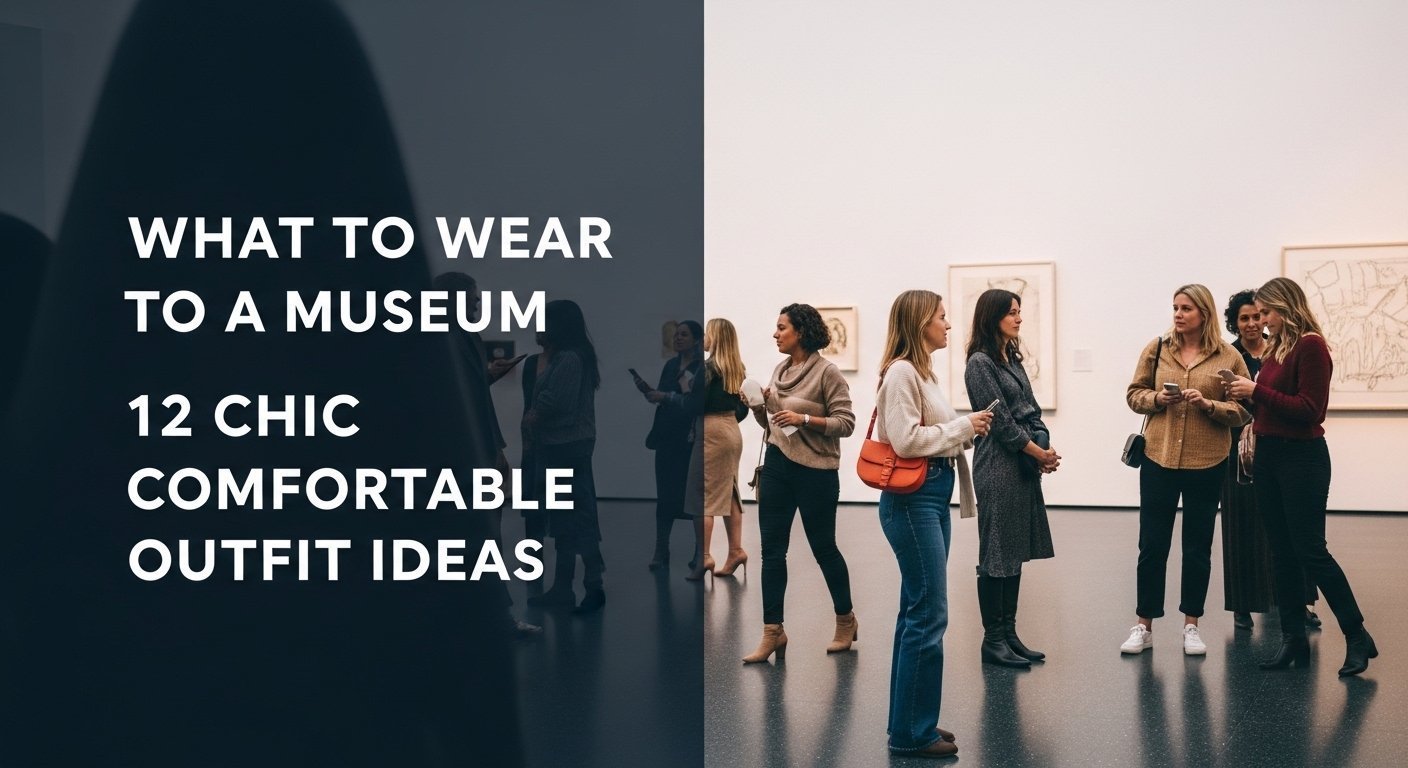
What to Wear to a Museum: 12 Chic & Comfortable Outfit Ideas
The best outfits for a museum blend personal style with all-day comfort, typically falling under the ‘smart casual’ or ‘elevated casual’ category. The agony of choosing between fashion and function for a day at the museum is real, but you don’t have to sacrifice one for the other. The key is to build your look on a foundation of comfort and practicality, then add stylish elements. By focusing on three core pillars—Comfort, Style, and Practicality—you can create an ensemble that looks great in photos and feels great for hours of exploration.

This approach moves beyond simply picking clothes and becomes a strategy for a successful visit. An outfit built around elevated classics, like nice jeans and a blazer instead of ripped jeans and a t-shirt, respects the environment while expressing your personal style. Thinking about these factors beforehand prevents the common mistake of wearing painful shoes or shivering in an over-air-conditioned gallery. Are you ready to master this formula?
What Are the 3 Golden Rules for Dressing for a Museum?
The three golden rules for dressing for a museum are to prioritize comfortable footwear, layer your look for temperature control, and consider practical details like bag policies and fabric choice. While it’s tempting to focus only on the style of your museum visit outfit, these three principles form the foundation of a truly successful and enjoyable experience. Mastering them ensures you can immerse yourself in the art and exhibits without being distracted by discomfort or logistical issues.
Rule #1: Why Is Comfortable Footwear Non-Negotiable?
Comfortable footwear is essential for a museum visit because you will likely walk several miles on hard surfaces like concrete or marble. A three-hour museum visit can easily involve over 5,000 steps. Choosing the wrong shoes can introduce pain and fatigue, effectively ruining the experience before you even reach the second exhibit. From years of working with stylists, we’ve learned that the outfit starts from the ground up. Supportive, cushioned footwear is your most important piece of gear.
Excellent choices for museum-appropriate footwear combine support with style.
- Fashion Sneakers: Clean, minimalist sneakers in leather or canvas offer unbeatable comfort and a modern, casual-chic vibe.
- Cushioned Loafers: A timeless choice that provides a polished look with the practicality of a slip-on flat. Look for styles with flexible rubber soles.
- Supportive Ankle Boots: Flat or low-heeled boots are perfect for fall and winter, offering great support and a sophisticated edge.
- Low Block Heels or Elegant Flats: If you prefer a more elevated shoe, a block heel under two inches or a well-cushioned ballet flat can work beautifully.


Rule #2: How Does Layering Solve the Museum Temperature Puzzle?
Layering is crucial for museum visits because gallery spaces can have wildly fluctuating temperatures, regardless of the weather outside. Think of your outfit like a thermostat you can control. Historic museum buildings are often drafty, while modern wings can have powerful air-conditioning. A versatile second layer allows you to easily adapt for comfort. This strategy is central to a practical museum outfit.
Start with a quality base layer and add a piece you can easily remove and carry.
- A Cashmere or Merino Wool Cardigan: Lightweight, soft, and incredibly warm, a classic cardigan adds a touch of sophistication.
- A Tailored Blazer: Instantly elevates any outfit, from jeans and a t-shirt to a simple dress, making it a perfect smart casual piece.
- A Classic Trench Coat: The ideal transitional jacket for spring or fall that looks chic both inside and out.
- A Large Scarf or Pashmina: The most versatile accessory, a pashmina can be worn as a scarf for a pop of color or draped over your shoulders as a wrap if you get cold.
Rule #3: What Practical Details Should You Never Overlook?
Practical details for a museum trip include choosing a bag that meets security size limits and wearing breathable, non-restrictive fabrics. These logistical considerations are often overlooked but are vital for a smooth visit. An outfit that allows you to move freely and a bag that doesn’t cause issues at the entrance are hallmarks of an experienced museum-goer. Before you go, a quick check of a few details can save you a major headache.
- Bag Policy: Visit the museum’s “Visit” or “FAQ” page on their website to confirm their bag dimension rules. Many museums restrict bags larger than 16×16 inches. Crossbody bags or small totes are usually the safest bets to avoid a mandatory bag check.
- Fabric Choice: You’ll be indoors for hours, so opt for breathable fabrics. Natural materials like cotton, linen, Tencel, or merino wool allow air to circulate and keep you more comfortable than synthetic fabrics like polyester.
- Freedom of Movement: Ensure your outfit allows for easy movement. You might be bending down to look at an artifact or navigating crowds. Avoid anything too tight or restrictive.
What Are 5 Chic & Comfortable Museum Outfit Ideas?
Five chic and comfortable museum outfit ideas that perfectly balance style and practicality are The Modern Minimalist, The Artsy Academic, The Elevated Casual, The Comfortable Creative, and The Polished Explorer. These templates provide a clear formula for a great outfit. Each look incorporates the three golden rules, ensuring you have a blueprint for a successful and stylish day of art and culture.
The Modern Minimalist
This look is clean, sophisticated, and effortlessly chic. It focuses on high-quality basics and a neutral color palette, letting the art be the main focus.
- Top: A high-quality basic top, such as a silk shell, a fine-gauge knit, or a crisp white t-shirt.
- Bottoms: Tailored, high-waisted trousers in black, navy, or beige.
- Shoes: Clean, white leather sneakers.
- Why it works: This outfit is the epitome of smart casual. The tailored trousers are polished, while the sneakers guarantee all-day comfort for walking on gallery floors.
The Artsy Academic
This style has a slightly intellectual, vintage-inspired feel. It’s perfect for a history museum or a classic art gallery, blending textures and timeless pieces.
- Top: A fitted turtleneck sweater in a rich color like burgundy or forest green.
- Bottoms: A pleated midi skirt in a solid color or a subtle pattern.
- Shoes: Classic leather or suede loafers.
- Why it works: This look nails the comfort rule with cushioned loafers while the midi skirt adds a touch of artsy flair. The turtleneck is a sophisticated base layer that works perfectly under a coat in cooler weather.
The Elevated Casual
This is the quintessential “jeans and a blazer” look, perfected for a museum setting. It’s approachable, stylish, and incredibly versatile for almost any type of museum.
- Top: A simple crewneck t-shirt or a camisole.
- Bottoms: Straight-leg, dark-wash jeans with no rips or distressing.
- Outerwear: A structured blazer in a neutral like black, navy, or plaid.
- Shoes: Ankle boots or pointed-toe flats.
- Why it works: The blazer is the perfect layering piece that instantly dresses up the denim. The dark-wash jeans are comfortable and practical, creating a look that’s polished yet relaxed.
The Comfortable Creative
For those who prioritize comfort but still want a fashionable, one-and-done solution, a knit dress is the answer. This look is soft, flexible, and surprisingly elegant.
- Dress: A soft, long-sleeve knit midi dress in a solid color or simple stripe.
- Shoes: Elegant flats, stylish mules, or low-profile white sneakers.
- Accessories: A simple crossbody bag and delicate jewelry.
- Why it works: A knit dress feels as comfortable as loungewear but looks incredibly put-together. It allows for complete freedom of movement and pairs perfectly with comfortable flat shoes.
The Polished Explorer
This outfit is for the visitor who wants a slightly more fashion-forward look without sacrificing practicality. It revolves around wide-leg trousers for a dramatic yet comfortable silhouette.
- Top: A fine-gauge, fitted knit sweater or a simple bodysuit to balance the volume of the pants.
- Bottoms: High-waisted wide-leg trousers or culottes in a fluid fabric.
- Shoes: Pointed-toe flats or low block heels that peek out from under the hem.
- Why it works: The wide-leg pants provide exceptional comfort and freedom of movement. Paired with a fitted top, the look is balanced, sophisticated, and ready for a day of discovery.
How Should You Adjust Your Outfit for Different Types of Museums?
For an art museum, opt for a chic look; for a history museum, prioritize comfort; for a science or children’s museum, wear durable clothing that allows for movement. While the golden rules apply everywhere, the specific type of museum you’re visiting can influence the finer points of your outfit. Tailoring your look to the environment shows a deeper level of consideration and enhances your experience. Here’s a breakdown of how to dress for different museum types.
| Museum Type | Key Outfit Consideration | Example Outfit |
|---|---|---|
| Art Museum/Gallery | Sophisticated & Chic | A silk blouse, tailored trousers, and block heels. |
| History/Natural History | Maximum Comfort for Walking | A breathable top, comfortable jeans, and supportive sneakers. |
| Science/Interactive | Durability & Freedom of Movement | A dark-colored jumpsuit or t-shirt with stretchy pants. |
| Children’s Museum | Stain-Resistant & Practical | Dark-wash jeans, a washable top, and flat, closed-toe shoes. |
For an Art Museum or Gallery
An art museum often has a more formal and contemplative atmosphere. This is the perfect place for a more polished, “artsy chic” outfit. The ‘Modern Minimalist’ or ‘Artsy Academic’ looks are ideal here. Think tailored pieces, luxurious fabrics like silk or cashmere, and a more sophisticated shoe like a block heel or loafer.
For a History or Natural History Museum
These museums are typically vast, requiring a significant amount of walking. Comfort is the absolute priority. The ‘Elevated Casual’ look with supportive sneakers is a perfect choice. Prioritize breathable fabrics and the most comfortable walking shoes you own.
For a Science or Interactive Museum
These visits often involve hands-on exhibits, bending, and more physical activity. Dress for durability and freedom of movement. A stylish jumpsuit or dark-colored pants are great choices. From practical experience, we recommend wearing darker colors that can hide potential scuffs or small stains from interactive displays.
For a Children’s Museum
When visiting a children’s museum, you’re not just a spectator; you’re an active participant. Chasing a toddler through a play area is a workout—dress accordingly. Wear your most comfortable shoes, practical pants or jeans, and a washable top. This is an environment where practicality reigns supreme.
How Does Your Museum Outfit Change with the Seasons?
In summer, wear lightweight, breathable fabrics and bring a cardigan for air conditioning; in winter, wear a warm coat you can check over a stylish base outfit. Seasonal changes add another layer to the museum outfit puzzle. You have to dress for two different climates: the weather outside and the controlled environment inside. The key is strategic layering and fabric choice.
For Summer
The biggest challenge in summer is not the heat outside, but the often-aggressive air-conditioning inside.
- Outfit Base: Opt for a midi dress in a breathable fabric like cotton or linen trousers paired with a simple tank top. These pieces keep you cool outdoors.
- The Essential Layer: Always bring a light cardigan, denim jacket, or a large pashmina scarf. This is the most critical part of a summer museum outfit. You can easily store it in your tote bag and pull it out when you feel the chill of the A/C.
- Pro Tip: A pashmina is often lighter to carry than a cardigan and just as effective against the cold.
For Winter
In winter, the challenge is the opposite. You need to stay warm on your way to the museum without overheating once you’re inside the heated galleries.
- The Outer Layer: Wear your bulkiest winter coat, but plan to check it at the museum’s cloakroom. This is a crucial step for comfort.
- The Base Outfit: Ensure your outfit underneath is complete on its own. A merino wool sweater, dark jeans, and waterproof boots create a stylish and warm base. A chic knit dress with fleece-lined tights is another excellent option.
- Pro Tip: If snow or slush is a possibility, waterproof boots are a must. You can sometimes bring a change of shoes if the museum allows it.
For Spring and Fall
These transitional seasons are all about versatile layering. The weather can be unpredictable, so your outfit needs to be adaptable.
- The Perfect Jacket: A classic trench coat or a leather jacket is the ideal layering piece. They provide warmth against a cool breeze but aren’t as heavy as a winter coat.
- The Full Look: Pair your jacket with a long-sleeve top, comfortable trousers or jeans, and weather-appropriate shoes like ankle boots or loafers. This combination can handle a wide range of temperatures.
FAQs About what to wear to a museum
What should I wear for a museum date?
For a museum date, aim for a “smart casual” look that is both stylish and comfortable. You want to look put-together without seeming like you tried too hard. For women, a stylish midi dress with flats or a silk blouse with dark jeans and block heels works well. For men, consider chinos or dark-wash jeans with a button-down shirt or a quality knit sweater and clean sneakers or loafers. Comfort is still key, so you can focus on the conversation, not your feet.
What do you wear to an art gallery opening or special exhibit?
For an art gallery opening, you should elevate your look to “cocktail” or “artsy chic” attire. This is more formal than a regular visit. Men might wear a blazer with dark trousers and dress shoes. Women could opt for a sophisticated cocktail dress, a stylish jumpsuit, or a chic skirt and blouse combination. It’s a creative event, so feel free to express your personal style with a unique accessory or a bold color, but keep it elegant.
Are there specific outfit ideas for men?
Yes, men should follow the same principles of comfort and smart style. A great go-to outfit is a pair of well-fitting chinos or dark-wash denim paired with a casual button-down shirt (like an Oxford cloth) or a high-quality polo. A fine-gauge knit sweater is another excellent choice. For footwear, clean, minimalist sneakers, loafers, or desert boots are all perfect options that are both comfortable and stylish.
Can I wear a hat in a museum?
Generally, it is considered polite to remove hats, especially baseball caps, inside a museum. This is a traditional sign of respect in a public indoor space. However, religious head coverings are always acceptable. Some fashion hats may be considered part of an outfit, but if it is large and obstructs views for others, it’s best to remove it or check it at the cloakroom.
What is the policy on backpacks in museums?
Most museums do not allow large backpacks or luggage in the galleries to protect the artwork. You will almost always be required to check them at the coat check. Small backpacks may be allowed, but security will often ask you to wear them on your front or carry them by your side. To be safe, always opt for a smaller bag like a crossbody, tote, or handbag.
What should I wear to a museum gala?
A museum gala is a formal event that typically requires “black-tie optional” or “black-tie” attire. For men, this means a dark suit and tie at a minimum, or a full tuxedo if the dress code is black-tie. For women, a floor-length evening gown or a very elegant cocktail dress is appropriate. Always check the invitation for the specific dress code, as it is a formal fundraising event.
Is it okay to wear shorts to a museum?
While technically allowed in most museums, shorts can be seen as too casual. If you do wear shorts, opt for a tailored, dressier style (like chino shorts) rather than athletic or denim cut-off shorts. Pair them with a polished top and stylish shoes to elevate the look. For most major city art museums, trousers, a skirt, or a dress is a safer and more appropriate choice.
How should I dress for a museum wedding?
For a museum wedding, follow the dress code on the invitation, which is typically cocktail or formal attire. A museum provides a sophisticated backdrop, so your outfit should reflect that. A chic cocktail dress, a stylish jumpsuit, or an elegant suit would be appropriate. Avoid anything too casual. Given the venue, you’ll still be doing some walking, so choose stylish but comfortable dress shoes.
Are jeans appropriate for a museum?
Yes, jeans are perfectly appropriate for most museum visits, provided they are styled correctly. Opt for a darker wash, straight-leg or tailored style without rips or excessive distressing. Pair them with a blazer, a nice blouse, or a quality sweater to create a “smart casual” or “elevated casual” look. Combining well-kept jeans with polished pieces is a foolproof museum outfit.
What should kids wear to a museum?
Kids should wear comfortable, practical clothing that you don’t mind getting a little dirty, especially at interactive or children’s museums. Comfortable, closed-toe shoes like sneakers are essential. Dressing them in bright, distinctive colors can also make them easier to spot in a crowd. It’s a good idea to bring a sweater or sweatshirt for them as well, as they are also subject to the museum’s climate control.
Key Takeaways: What to Wear to a Museum Summary
- Prioritize Comfort Above All: The most critical element is comfortable footwear. You will walk thousands of steps on hard floors, so choose stylish sneakers, cushioned loafers, or supportive flats. Your shoes can make or break your museum experience.
- Master the Art of Layering: Museums have unpredictable indoor climates. A versatile layer, like a blazer, cardigan, or pashmina, is essential to adapt from a warm afternoon outside to a cool gallery inside.
- Choose Smart Casual Over Sloppy: While there’s rarely a strict dress code, the goal is “elevated casual.” Opt for well-fitting, dark-wash jeans or tailored trousers over ripped denim or athletic wear. A simple, chic look shows respect for the space.
- Be Practical with Your Bag: Check the museum’s bag policy online before you go. Most museums require you to check large bags and backpacks. A stylish crossbody or a small tote is the perfect, hassle-free accessory.
- Dress for the Specific Museum and Occasion: A hands-on science museum calls for a more durable, casual outfit than a formal art gallery opening. Tailor your look to the context—from a casual family outing to a formal museum gala.
- When in Doubt, Go for a Classic Formula: A timeless and foolproof museum outfit consists of three parts: comfortable trousers or dark jeans, a quality top (like a knit sweater or blouse), and comfortable yet stylish shoes.
Final Thoughts on Curating Your Perfect Museum Look
Ultimately, what you wear to a museum should make you feel comfortable and confident, allowing you to immerse yourself in the art and exhibits without distraction. Dressing for a museum isn’t about following rigid rules; it’s about making smart choices that enhance your experience. By following the core principles of prioritizing comfort, mastering layers, and being practical, you can easily create a look that is both chic and perfectly suited for a day of cultural exploration. Now you have the tools to curate an outfit that is a work of art in itself.
Last update on 2026-04-27 / Affiliate links / Images from Amazon Product Advertising API