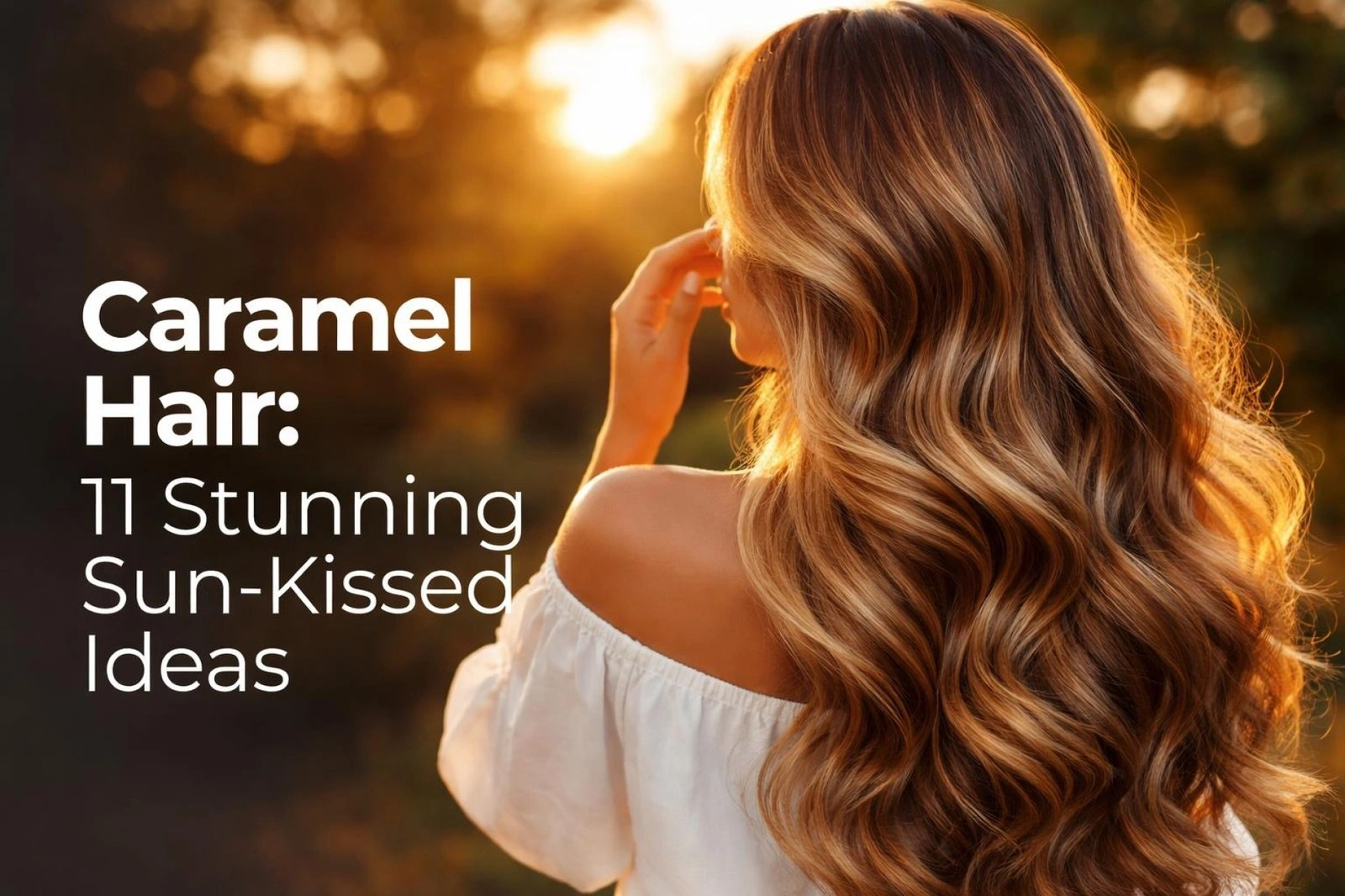
Searching for the perfect way to add rich, sun-kissed dimension to your hair? You’re tired of flat, one-dimensional color but don’t want the high maintenance of a full bleach. You need hair color ideas caramel that feel both fresh and effortlessly beautiful.
Caramel hair color is a warm, rich shade that sits between golden blonde and light golden brown, characterized by its honey, amber, and buttery undertones. It’s designed to add multidimensional, sun-kissed warmth to the hair, often achieved through techniques like balayage or highlights to brighten a darker base color without requiring a full bleach. This versatile shade is a salon favorite for its ability to create a natural, radiant glow.
Drawing from established best practices and professional stylist recommendations, this guide unveils 11 stunning and achievable caramel hair ideas for 2026. You’ll discover the exact techniques, maintenance tips, and salon language needed to find the perfect warm hue that looks like it was made just for you. Get ready to find your new signature look.
What Color is Caramel Hair and is it Right for You?
Before diving into the gallery of inspiration, it’s essential to understand the core entity itself: caramel hair color. Unlike a single, flat shade, think of caramel as a spectrum of warm, golden-brown tones. It ranges from light, honey-toned hues that border on blonde to deep, rich toffee shades that melt into a caramel brown hair base. Its defining characteristic, according to salon professionals, is its ability to add dimension and warmth, making it a perfect choice for brightening up a dark chocolate base or adding depth to lighter hair. This color is especially flattering because it suits warm skin, particularly an olive skin tone, by enhancing the golden notes in the complexion. It beautifully enhances waves, making hair appear fuller and more dynamic, and can be placed to strategically frame the face. Ready to find the perfect shade of caramel that feels like it was made just for you?
Caramel Hair: 11 Stunning Sun-Kissed Ideas for 2026
The true magic of caramel hair lies in its versatility, which is brought to life through various application techniques. From the subtle, hand-painted strokes of balayage to the bright pop of a money piece or the seamless gradient of an ombre, the method your colorist uses is just as important as the shade itself. Each technique creates a unique result, whether it’s subtle caramel ribbons that whisper of summer or bold caramel streaks that make a confident statement. This visual guide will walk you through 11 distinct looks, explaining not just the what but the how—empowering you with the right language to ask your stylist for exactly what you want and the knowledge to maintain that beautiful color at home.
1. Achieve a Natural Glow with Classic Caramel Balayage on Dark Hair

Pin this gorgeous balayage to your ‘Hair Goals’ board!
Classic caramel balayage on dark hair is the ultimate choice for a low-maintenance, naturally radiant look. This French freehand painting technique involves sweeping lightener onto the surface of the hair, creating a soft, graduated effect that mimics how the sun would naturally lighten it. Unlike traditional foils, there are no harsh lines, meaning your hair can grow out gracefully without obvious root regrowth. This method is perfect for adding beautiful dimension and a sun-kissed glow to a dark chocolate base.
What to Ask Your Stylist
- Ask for a caramel balayage with hand-painted, subtle caramel ribbons focused on the mid-lengths and ends.
- Specify you want a seamless blend into your natural dark chocolate base to ensure a soft grow-out.
- Use descriptive words like sun-kissed, honey-toned, and toasted caramel.
- Request a root smudge or color melt to further blur the transition from your natural color.
Your At-Home Care Routine
- Wait 48-72 hours after your appointment before shampooing to allow the hair cuticle to close.
- Once a week, use a blue-toned shampoo to neutralize any unwanted orange or brassy tones.
- Always use sulfate-free, color-safe products to prevent premature color fading.
- Apply a deep conditioning mask weekly to keep lightened strands hydrated and healthy.
Pro-Tip: According to expert colorists, the key to perfect balayage is undertone matching. If you have warm undertones in your skin, a golden or honey caramel will be most flattering. Cooler undertones can handle a more neutral, sandy caramel.


2. Brighten Your Look with Sweet Honey Caramel Highlights

Save this sweet honey caramel look for your summer hair inspiration!
For those wanting a brighter, more noticeable pop of color, honey caramel highlights are a classic choice. This technique typically uses foils to saturate sections of hair from root to tip, creating more contrast and a more defined look than balayage. The “honey” aspect pushes the caramel into a lighter, more golden-blonde territory, making it perfect for achieving significant brightness in a single session. This look is known to warm the complexion and beautifully complements brown eyes.
What to Ask Your Stylist
- Ask for traditional honey caramel highlights using foils for a brighter pop of color.
- Specify you want the highlights to be fine and woven throughout, rather than thick and chunky, for a multidimensional look.
- Use reference terms like buttery, golden-brown, and amber-hued.
- Discuss the placement—whether you want them concentrated around the face or distributed evenly.
Your At-Home Care Routine
- Use a color-protecting shampoo and conditioner specifically formulated for highlighted hair.
- Minimize heat styling, and always use a heat protection spray to prevent the honey-toned color from turning brassy.
- Consider using a color-depositing gloss or conditioner every few weeks to refresh the vibrancy.
- Rinse with cool water to seal the hair cuticle, which helps maintain shine and color integrity.
Pro-Tip: Caramel vs Honey: What’s the difference? According to L’Oreal color guides, caramel has a brown sugar or toffee base, making it a true light brown. Honey is on the blonde spectrum, with more golden and yellow undertones. If you want more noticeable brightness, lean towards honey.

3. Make a Statement with a Bold Face-Framing Caramel Money Piece

Want a high-impact, low-commitment color? Pin this caramel money piece idea!
Driven by celebrity hair trends, the money piece is a high-impact style that offers a dramatic change without the commitment of a full-head color. This look consists of face framing caramel strands that are significantly lighter than the base color. This technique is designed to instantly brighten your entire look, draw attention to your eyes, and soften features. It’s the perfect entry point for those new to hair color or anyone seeking a bold update with minimal upkeep.
What to Ask Your Stylist
- Ask for a caramel money piece or face-framing highlights.
- Be specific about the thickness you want—from a subtle strand to a bold, two-inch section.
- Discuss the exact shade of caramel; a light caramel hair color will create more contrast against a dark base.
- Ensure they blend the back of the money piece section into the rest of your hair to avoid a harsh line.
Your At-Home Care Routine
- Since only the front is lightened, you can focus your anti-brass products there.
- Use a purple or blue toning conditioner just on the caramel strands once a week while in the shower.
- Be extra gentle with heat tools on these front pieces, as they are the most fragile.
- When you notice root regrowth, this is one of the easiest styles to touch up, requiring only a mini salon appointment.
Pro-Tip: The success of a money piece depends on hair porosity. Previously colored or damaged hair will lift faster. Communicate your hair history to your stylist so they can adjust the developer volume for an even result.

4. Indulge in a Rich Dark Chocolate and Toffee Color Melt

Pin this decadent toffee color melt for your fall hair refresh!
A color melt is the epitome of sophisticated, seamless color. This advanced technique involves blending multiple shades—from a dark chocolate base to warm toffee mid-lengths and lighter caramel ends—so flawlessly that you cannot tell where one color ends and another begins. It’s a more intricate version of an ombré or balayage that adds depth and incredible richness, resulting in a luxurious, dimensional look that appears effortlessly natural. This is a look that requires the skill of a certified colorist who masters pigment deposition.
What to Ask Your Stylist
- Ask for a color melt starting with a dark chocolate base or espresso base.
- Specify that you want the mid-lengths to transition to a warm toffee or chestnut hair color.
- The ends should be the lightest, a soft, creamy caramel.
- The most important phrase is “no harsh lines,” emphasizing the need for expert blending.
Your At-Home Care Routine
- Shine is key for this look. Use a hair glossing treatment at home every two weeks.
- Focus your conditioning efforts on the mid-lengths and ends, which have been lightened.
- Avoid clarifying shampoos, which can strip the toner and dull the different shades.
- Sleep on a silk pillowcase to reduce friction and maintain the smoothness of the hair cuticle.
Pro-Tip: A stylist achieves a perfect color melt through a specific lift and deposit process. They will lighten your hair to the desired level and then apply toners in multiple shades to create the gradient. This is not a technique to attempt with a single box dye.

5. Add Delicate Dimension with Subtle Caramel Babylights

Love a natural look? Pin these subtle caramel babylights for the perfect “I woke up like this” hair.
For those who fear a dramatic change, baby lights are the perfect solution. This meticulous technique involves creating micro-fine highlights that are just a shade or two lighter than your base color. The result is the most natural caramel hair imaginable, designed to mimic the subtle, sun-bleached hair often seen on children. Babylights offer a delicate shimmer of color that brightens the dark base without any obvious stripes or sections, making it the ultimate “did she or didn’t she?” look.
What to Ask Your Stylist
- Ask for caramel babylights.
- Explain that you want a very fine weave of highlights, just one or two shades lighter than your base.
- Request that they be placed around the hairline and natural part for the most sun-kissed effect.
- Key phrase: “I want it to look like I spent a month at the beach, not in a salon.”
Your At-Home Care Routine
- This is the lowest-maintenance look. You won’t need heavy toning shampoos.
- Protect your subtle color from the number one cause of fading: the sun. Use a UV protectant spray for hair.
- Because the highlights are so fine, the hair remains very healthy. Focus on a basic hair care routine with quality, color-safe products.
- A clear hair gloss every other month will boost the shine and make the subtle color pop.
Pro-Tip: Babylights are a great way to start blending with grey. The fine, light strands help camouflage early greys, allowing for longer stretches between root touch-up appointments.

6. Go Lighter with Caramel Blonde Balayage for a Beachy Vibe

Dreaming of summer? Pin this beautiful caramel blonde balayage!
If you’re craving a significantly brighter look, caramel blonde hair is your answer. This style pushes caramel to its lightest expression, resulting in a shade that intensely reflects light. Achieving this look on a dark base requires more lifting with lightener, so aftercare is key to maintaining cuticle health. It’s the perfect caramel hair color for summer, offering a high-contrast, beachy vibe with gorgeous, buttery ends that truly pop.
What to Ask Your Stylist
- Ask for a caramel blonde balayage.
- Specify that you want the ends to be noticeably blonde, using words like buttery and sandy caramel.
- Show inspiration photos to clarify your desired level of lightness (e.g., a level 7 or level 8 hair color).
- Discuss adding a toner or hair gloss to achieve the perfect warm, non-brassy blonde.
Your At-Home Care Routine
- Lightened hair craves moisture. Use a rich deep conditioning mask or hair treatment at least once a week.
- Alternate between a purple shampoo (to combat yellow tones) and a blue shampoo (to combat orange tones).
- Invest in a good leave-in conditioner to protect fragile, lightened ends from breakage.
- Be prepared for more frequent glossing appointments at the salon (every 6-8 weeks) to maintain the perfect blonde tone.
Pro-Tip: The journey to caramel blonde on dark hair is a marathon, not a sprint. A good stylist will prioritize the health of your hair, suggesting a two-step process to prevent damage from excessive lifting in one go.

7. Flatter Your Features with Angled Caramel on a Short Bob

Short hair, big impact. Pin this angled caramel bob for your next chop!
Short caramel hairstyles prove that you don’t need long locks to create a stunning, dimensional look. On a bob or pixie cut, color placement is paramount. The goal is to use caramel pieces to add depth and prevent the hair from looking flat or solid. By strategically placing highlights, a stylist can enhance the sharp lines of a haircut, like an angled caramel bob where the lighter pieces are concentrated on the longer front sections to draw attention to the jawline and cheekbones.
What to Ask Your Stylist
- Ask for caramel highlights that are placed to accentuate the shape of your bob or short cut.
- For an angled bob, suggest concentrating the lighter caramel pieces on the longer, face-framing sections in the front.
- Discuss using a combination of baby lights and slightly thicker ribbons to create movement and texture.
- The goal is dimensional color that makes the haircut pop.
Your At-Home Care Routine
- Short hair can show oiliness faster. Use a color-safe dry shampoo to refresh roots between washes.
- Work a texturizing spray or pomade through the hair to show off the different caramel tones and create piecey separation.
- Protect your hair from heat styling, which is often used more frequently on short hair to maintain its shape.
- Regular trims (every 6-8 weeks) are essential to keep the cut sharp and the colored ends healthy.
Pro-Tip: For short hair, a partial highlight service is often all you need. This saves time and money, as the stylist only needs to place foils in the top sections and around the face.

8. Embrace Your Curls with Shimmering Curly Caramel Highlights

Let your curls shine! Pin this amazing caramel highlight idea for curly hair.
Coloring curly hair texture requires a specialized approach, and curly caramel highlights can be absolutely breathtaking when done correctly. Because curls don’t reflect light in the same way as straight hair, color is used to create definition and make the curl pattern pop. The best results often come from techniques like Pintura, where a stylist-approved professional hand-paints individual curls. This method enhances waves and avoids the risk of disrupting the delicate curl pattern that can occur with traditional foiling.
What to Ask Your Stylist
- Ask for a stylist who specializes in coloring curly hair texture.
- Inquire about the Pintura highlighting technique, where color is painted directly onto individual curls to enhance their shape.
- Request shimmering caramel highlights that will catch the light and make your curls pop.
- Discuss using a bleach-free lightener or a lower developer volume to protect your delicate curl pattern.
Your At-Home Care Routine
- Curly hair that’s been colored is extra thirsty. Co-washing (washing with conditioner only) or using a very gentle, moisturizing shampoo is essential.
- Use a deep conditioning treatment specifically for curly, color-treated hair every single wash day.
- Apply styling products like curl cream and gel to soaking wet hair to lock in moisture and definition.
- Avoid harsh towels. Instead, plop your hair with a microfiber towel or cotton t-shirt to reduce frizz.
Pro-Tip: Never let a stylist put you under a hooded dryer with foils in your curly hair. The high, uneven heat can damage the curl pattern. Proper processing for curly highlights should be done at room temperature.

9. Create a Gradient with Burnt Sugar Caramel Ombré

Go for bold. Pin this stunning burnt sugar ombré for a high-fashion statement.
An ombre offers a more dramatic, two-toned gradient effect compared to the subtle melt of a balayage. This technique traditionally keeps the roots and top section of the hair dark while transitioning to a much lighter color on the ends. A modern burnt sugar or toasted caramel ombré elevates this look, creating a beautiful contrast between a deep dark base and warm, light ends. While once a DIY trend, achieving a soft, blended transition requires a salon professional to avoid a harsh, dip-dyed appearance.
What to Ask Your Stylist
- Ask for a caramel ombré with a soft, blended transition.
- Specify how high you want the lightness to start (e.g., jaw-level, shoulder-level).
- Use the term burnt sugar or toasted caramel to describe the desired shade for the ends.
- Ask them to use a toner to ensure the ends are a rich caramel, not a brassy orange.
Your At-Home Care Routine
- The ends of your hair will be the most processed part. Focus all your hydrating products there.
- Use a split-end mending serum or hair oil on your ends every day to keep them looking healthy and sealed.
- This is a very low-maintenance style in terms of roots. You won’t need touch-ups for many months.
- Schedule regular trims to dust off the very ends and prevent them from looking dry.
Pro-Tip: A “sombré” (soft ombré) is a more modern take on this trend. It involves adding a few subtle lowlights back into the ends and a gentle root smudge to create a less dramatic, more blended gradient.

10. Perfect for Olive Skin: A Warm, Bronzed Caramel Hue

Have an olive skin tone? This bronzed caramel is your perfect match. Pin it now!
One of the most important principles of professional hair coloring is undertone matching. For those with an olive skin tone, which has green and golden undertones, a caramel shade with a bronze-undertone is exceptionally flattering. This specific hue warms the complexion and creates a beautiful, harmonious glow that looks entirely natural. This targeted approach ensures your hair color doesn’t just look good on its own—it makes you look your best.
What to Ask Your Stylist
- Say you have an olive skin tone and are looking for the most flattering caramel hair color.
- Ask for a warm caramel with a bronze-undertone or amber-hued dimension.
- Avoid ashy or cool-toned caramels, which can wash you out.
- This can be achieved through a global color, balayage, or highlights, depending on your desired look.
Your At-Home Care Routine
- To maintain the “bronze” warmth, avoid overusing purple or blue shampoos, which are designed to cool tones down.
- Instead, look for color-depositing conditioners or glosses in shades of gold or warm brown.
- Use products that enhance shine, as a glossy finish will make the bronze tones look richer.
- Incorporate a clarifying shampoo once a month to remove mineral buildup that can dull warm tones.
Pro-Tip: Not sure about your undertone? Look at the veins on your wrist. If they appear mostly green, you likely have a warm or olive undertone, making you a perfect candidate for bronzed caramel. If they look blue, you have a cooler undertone.

11. Add Depth with Caramel Lowlights on Blonde Hair

Blondes, add some drama! Pin this caramel lowlights idea for a multidimensional look.
Caramel isn’t just for brunettes. Lowlights are the reverse of highlights, involving the process of adding darker strands to lighter hair. Weaving caramel lowlights through a blonde base is a fantastic way to add depth and create a rich, multidimensional look. It breaks up a solid blonde color, making hair appear thicker and more dynamic. This is also a perfect strategy for transitioning from blonde to caramel brown for the autumn or winter seasons without a drastic, one-step change.
What to Ask Your Stylist
- Ask for caramel lowlights to be added to your existing blonde hair.
- Discuss the desired ratio of light to dark. Do you want a few subtle ribbons or a more dramatic effect?
- This is a great way to start transitioning from blonde to caramel brown gradually.
- Ensure your stylist uses a warm-toned caramel to avoid ashy results.
Your At-Home Care Routine
- Use a shampoo and conditioner designed for multi-tonal, color-treated hair.
- Be cautious with purple shampoos; use them only on the blonde sections if needed, as they can dull the caramel lowlights.
- Warm tones can fade faster, so rinse with cool water and minimize washing frequency.
- A clear gloss treatment will enhance the shine of both the blonde and caramel tones, making the dimension pop.
Pro-Tip: According to color theory, applying a brown dye directly over porous blonde hair can result in a khaki or green tint. Professionals first apply a “filler” color with red/copper undertones to create a proper base before applying the target caramel shade for lowlights.

Key Takeaways: Your Quick Guide to Perfect Caramel Hair
- Technique Defines the Look: Caramel balayage creates a soft, natural, sun-kissed effect, while traditional highlights provide a brighter, more defined pop of color. Choose based on your desired maintenance level and impact.
- Match Your Undertone: The most flattering caramel hair shade will complement your skin’s undertone. Golden, honey, and bronze-undertone caramels are stunning on warm and olive skin tones.
- Maintenance is Non-Negotiable: To prevent brassy tones, invest in a blue or purple toning shampoo. To prevent color fading, use sulfate-free products and protect hair from heat and UV rays.
- Talk Like a Pro: Use specific terms with your stylist like “color melt,” “root smudge,” and “face-framing money piece” to get the exact result you see in your inspiration photos.
- Moisture is Everything: Lightening hair to achieve a caramel shade, even subtly, can cause dryness. A weekly deep conditioning mask is essential to keep your hair healthy, shiny, and vibrant.
- Curly Hair Needs a Specialist: Don’t trust just anyone with your curls. Seek out a stylist experienced in techniques like Pintura highlights to enhance your curl pattern without causing damage.
People Also Ask About Caramel Hair Color
What is the difference between honey and caramel hair?
Honey hair is a warm shade of blonde, while caramel hair is a light shade of golden brown. Think of honey as having more yellow and golden undertones, making it brighter and lighter overall. Caramel has richer, brown sugar and toffee undertones, giving it more depth and placing it firmly in the brunette family.
How do you maintain caramel hair?
To maintain caramel hair, focus on fighting brassiness and preventing fading. Use a blue shampoo weekly to neutralize orange tones and a purple shampoo if it leans more yellow. Wash with sulfate-free, color-safe products in cool water. A weekly deep conditioning mask is also crucial to restore moisture lost during the lightening process.
What skin tone suits caramel hair?
Caramel hair color is incredibly flattering on warm, olive, and neutral skin tones. The golden-brown notes in the hair pick up the golden or green undertones in the skin, creating a harmonious, glowing look. Those with very cool, pink-toned pale skin might prefer a more neutral or ashy light brown.
Does caramel hair need bleach?
Yes, in most cases, achieving a true caramel color requires some level of bleach or lightener. On naturally dark brown or black hair, bleach is necessary to lift the hair to the correct level before a caramel toner can be applied. On lighter brown hair, a high-lift color might be used instead of bleach for a subtler result.
Will caramel hair fade to orange?
Caramel hair can fade to an unwanted orange or brassy tone over time, as all artificial color eventually fades. This happens because when dark hair is lightened, its natural underlying pigment is orange. Using a blue toning shampoo at home and getting regular gloss treatments at the salon will neutralize this brassiness and maintain the desired caramel shade.
Is caramel hair high maintenance?
The maintenance level depends entirely on the technique used. A soft caramel balayage is very low-maintenance because the roots are blended, allowing for a graceful grow-out. In contrast, all-over caramel color or traditional highlights will require root touch-ups every 6-8 weeks, making them higher maintenance.
How do I ask my stylist for caramel balayage?
Ask for a “soft, sun-kissed caramel balayage with a seamless blend and a root smudge.” Bring multiple inspiration photos showing the tone and placement you like. Use descriptive words from this guide like “toasted,” “honey-toned,” or “toffee” to help your colorist understand the exact shade of caramel you envision.
Can you put caramel highlights on black hair?
Yes, you can absolutely put caramel highlights on black hair, and it creates a beautiful, high-contrast look. Be aware that it will require a skilled colorist to lift the black hair carefully to avoid excessive damage. The result is often a deep, rich toffee or bronze caramel that stands out beautifully against the dark base.
What level is caramel hair color?
Caramel hair color typically falls between a level 6 (dark blonde) and a level 7 (medium blonde) on the hair color chart. However, the term “caramel” is descriptive, so it can include deeper toffee shades at a level 5 or lighter, buttery shades at a level 8. It’s best to use photos to communicate the desired lightness to your stylist.
How do I fix brassy caramel hair?
You can fix brassy caramel hair at home by using a blue or purple toning shampoo and conditioner. Blue neutralizes orange tones, while purple neutralizes yellow tones. For a more powerful fix, visit your salon for a professional toner or gloss treatment, which will deposit cool pigments to counteract the brassiness and restore your perfect caramel shade.
Final Thoughts on Finding Your Perfect Caramel Shade
Choosing a new hair color is an exciting way to refresh your style, and the world of caramel hair inspiration offers a shade for everyone. From the subtle, sun-kissed glow of balayage to the rich depth of a color melt, this versatile hue can be customized to match your personality, lifestyle, and features perfectly. The key to success lies in communication with your salon professional, a commitment to at-home care to keep your color vibrant, and choosing a shade that makes you feel confident and beautiful.
Armed with these ideas and tips, you’re ready to take the next step. Save your favorite looks, book that consultation, and get ready to embrace the warm, radiant glow of your perfect caramel hair. Which caramel style are you most excited to try?
Last update on 2026-04-27 / Affiliate links / Images from Amazon Product Advertising API