Do you dream of channeling the timeless glamour of the swinging sixties but worry about looking like you’re wearing a costume rather than a chic, modern interpretation? It can be incredibly frustrating to attempt authentic hairstyles 60s looks only to end up with flat, lifeless results that miss the mark on volume and style.
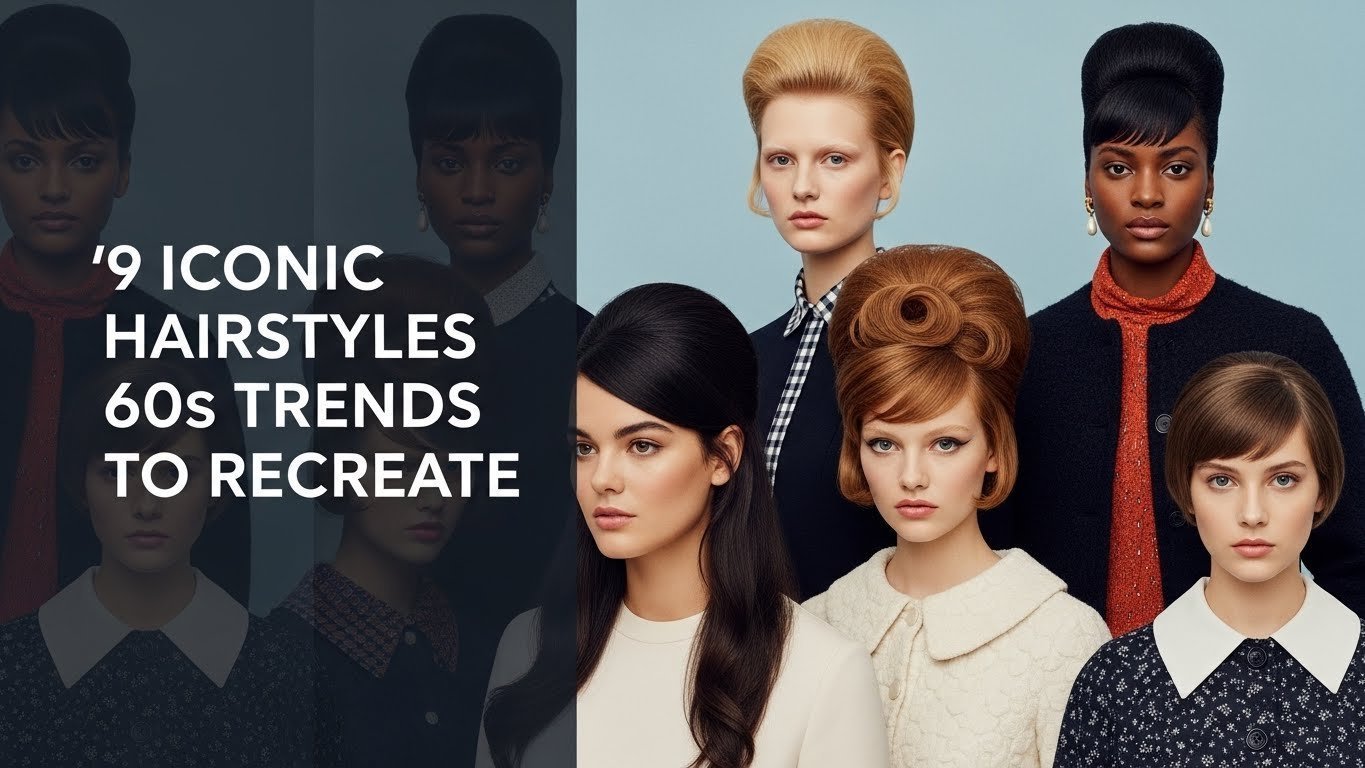
The 1960s were a pivotal decade for hair, defined by a dramatic shift from the polished 50s to bold, sculptural styles like the beehive and pixie cut, reflecting changing social attitudes and fashion. These iconic looks are easily adaptable for 2026, offering a spectrum of styles from high-volume elegance to sleek, geometric precision that suits modern sensibilities.
Drawing from comprehensive fashion historian analysis and proven vintage hair methods, this guide bridges the gap between historical accuracy and contemporary styling tools. You will discover exactly how to recreate nine definitive looks that shaped a generation. Whether you are seeking a bold transformation or a subtle nod to retro beauty, these expert techniques will help you master the art of 60s hair.
Mastering the Iconic Look: 9 Iconic Hairstyles 60s Trends to Recreate in 2026
The era of 60s hairstyles was not a monolith; it was a dynamic period of evolution that mirrored the cultural upheavals of the time. Early in the decade, the influence of figures like Jackie Kennedy kept styles polished and voluminous, giving rise to the bouffant and the flip hair 60s style. However, as the “Youthquake” took hold, Mod fashion introduced sharp, geometric 60s cuts popularized by innovators like Vidal Sassoon and icons such as Twiggy. By the late 60s, the Hippie movement had softened these rigid lines into natural, free-flowing textures.
Understanding this progression is crucial for mastering the look in 2026. While the teased hair 60s aesthetic requires specific techniques to maintain voluminous 60s hair without damage, modern tools have made these styles more accessible than ever. This guide moves beyond simple descriptions, offering expert 60s hair tutorials that respect historical accuracy 60s hair while utilizing today’s advanced products. We will explore how to construct the internal structure of a beehive, achieve the glass-like shine of a mod bob, and embrace the effortless vibe of flower power waves, ensuring your recreation is both authentic and wearable.
9 Iconic Hairstyles 60s Trends to Recreate in 2026
Ready to transform your look? We have curated a list of the most defining 60s hair trends that remain stylish today. From the gravity-defying heights of the beehive hairstyle to the effortless cool of long 60s hairstyles, there is a look here for every hair length and texture.
Below, you will find detailed, step-by-step instructions designed to help you recreate 60s hairstyles at home. We have broken down each style into “What You Need” and “What To Do” to ensure you have the right hair products 60s enthusiasts swear by. Whether you are looking for easy 60s hairstyles for a party or a sophisticated vintage 60s hair look for a wedding, these tutorials bridge the gap between professional salon techniques and DIY accessibility.
1. Master the Voluminous Beehive Hairstyle

Pin this classic dairy-free frothing tips to your board!
The beehive hairstyle is the quintessential symbol of high-glamour 60s fashion, defined by a towering, conical shape created through intense backcombing and smoothing. Often confused with the bouffant hair, the beehive is distinct in its narrower, higher structure that resembles a hive. To how to do a beehive correctly, one must prioritize the structural integrity of bouffants, using hair rollers 60s or vigorous teasing to create a base that won’t collapse.
What You Need
- Fine-tooth teasing comb for precision backcombing
- Strong-hold hairspray specifically designed for lasting volume
- Sectioning clips to isolate hair during styling
- Paddle brush for smoothing outer layers
- Bobby pins for securing the shape
What To Do
- Prepare Hair: Start with dry, brushed hair. Apply a volumizing mousse or root-lifting spray to damp hair before blow-drying for extra lift.
- Section Crown: Use the comb to create a horseshoe-shaped section of hair from temple to temple, just behind your crown. Clip this section away.
- Backcomb Bottom Layers: Take 1-inch horizontal subsections from the hair left down at the back of your head. Hold each section taut and backcomb from mid-shaft to root using short, firm strokes.
- Create Volume: Continue backcombing sections until you’ve built a solid, dense cushion of hair at the crown, focusing on the desired height.
- Smooth Top Layer: Unclip the horseshoe section. Gently smooth this hair over the backcombed base, ensuring no bumps. Avoid flattening the volume.
- Secure & Shape: Gather the smoothed section at the back of your head, twisting slightly and pinning it securely into the voluminous base with bobby pins.
- Finish: Lightly mist with strong-hold hairspray to lock the beehive hairstyle in place. Smooth any flyaways.
Pro-Tip: For truly enduring 60s hair volume, work in smaller sections when backcombing and apply hairspray after each section to set the tease before moving to the next. This layered approach helps the structural integrity of bouffants significantly.

2. Embrace the Playful Pixie Cut 60s Style

Pin this timeless pixie cut 60s inspiration to your short hair board!
A pixie cut 60s style is a sharp, short coiffure famously associated with Vidal Sassoon and Twiggy, characterized by its geometric precision and gamine charm. Unlike the soft curls of the 50s, these short 60s hairstyles relied on excellent cutting technique to create geometric 60s cuts that framed the face. If you are looking to style short 60s hair, the focus should be on definition and texture rather than volume.
What You Need
- Lightweight texturizing paste or wax for definition
- Fine-tooth comb for precise parting and smoothing
- Small paddle brush or fingers for styling
- Optional: Small flat iron for straightening bangs
What To Do
- Start Clean: Begin with freshly washed, towel-dried hair. Apply a small amount of heat protectant if using a flat iron.
- Rough Dry: Blow-dry hair until it’s about 80% dry, using your fingers to direct hair in the desired style (e.g., forward for bangs, back for sides).
- Apply Product: Take a pea-sized amount of texturizing paste, warm it between your palms, and work it through your hair, focusing on the ends and layers for definition.
- Define Layers: Use your fingers or a small comb to piece out specific layers, enhancing the geometric 60s cuts and creating texture.
- Style Bangs: If you have bangs, use the fine-tooth comb to sweep them to the side or forward. For a super sleek look, use a small flat iron on the bangs.
- Final Touch: A light mist of flexible-hold hairspray can secure the style without stiffness. The goal is a sleek 60s look with natural movement.
Pro-Tip: The key to an authentic Vidal Sassoon pixie is the precision cut itself. Consult with a stylist experienced in geometric 60s cuts to ensure the foundation of your style is perfect, making daily styling much easier.
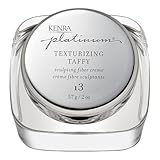

3. Recreate the Elegant Bouffant Hair Style

Pin this glamorous bouffant hair tutorial for a truly vintage look!
Bouffant hair is a high-volume style characterized by a rounded, puffy shape at the crown, achieved through extensive teasing and smoothing to create an elegant dome. This look defines big 60s hair and creates a sophisticated silhouette. Learning how to get a bouffant 60s look involves mastering the balance between creating a “cushion” of hair underneath and a polished layer on top, a technique often described as coiffure engineering 1960s.
What You Need
- Rattail comb for sectioning and backcombing
- Volumizing hair spray or dry shampoo for grip
- Boar bristle brush for smoothing
- Bobby pins matching your hair color
- Hair doughnut or bump-it (optional, for extra volume)
What To Do
- Prep Hair: Begin with clean, dry hair. For added volume, apply volumizing spray to the roots and rough-dry your hair upside down.
- Create Crown Section: Using a rattail comb, create a curved section of hair on top of your head, from the temples to just past the crown. This is your “bouffant section.”
- Backcomb for Volume: Take 1-inch subsections from within your bouffant section. Hold each section straight up and backcomb vigorously at the roots using the rattail comb, pushing hair down towards the scalp.
- Spray and Layer: After backcombing each subsection, lightly spray with hairspray to lock in the volume. Continue until the entire section is a dense, voluminous cushion.
- Smooth Over: Gently smooth the top layer of your bouffant section with a boar bristle brush, careful not to flatten the volume underneath.
- Shape and Secure: Gently push the voluminous hair forward to create the rounded shape, then pin it securely at the back with bobby pins, creating a smooth, high dome.
- Finish: Set the entire bouffant hair style with a generous mist of strong-hold hairspray for an elegant 60s look.
Pro-Tip: The secret to a long-lasting bouffant hair style lies in securing the base firmly. Cross bobby pins in an ‘X’ shape for extra grip, ensuring your puffy 60s hairstyle stays put through any event.

4. Style the Iconic 60s Flip Hair

Pin this glamorous 60s flip hair guide to your retro styling board!
The 60s flip hair is a playful yet polished style where the ends of the hair are curled dramatically outward, famously worn by Jackie Kennedy. This look embodies bouncy 60s styles and was a staple for women who wanted elegance with a bit of movement. To get a flip hairstyle, you need to focus on smooth roots and a deliberate, gravity-defying curl at the ends, often achieved with large hair rollers 60s or a wide-barrel curling iron.
What You Need
- Large barrel curling iron (1.5-2 inches) or jumbo hot rollers
- Heat protectant spray
- Paddle brush or round brush
- Light-hold hairspray
- Sectioning clips
What To Do
- Prep & Protect: Start with dry, straightened, or blow-dried hair. Apply heat protectant spray evenly throughout.
- Section Hair: Divide your hair into 2-3 horizontal sections, clipping up the top layers.
- Curl Ends Outward: Take 1-2 inch vertical subsections from the bottom layer. Using your curling iron, curl only the bottom 3-4 inches of hair outward, away from your face. Hold for a few seconds and release.
- Repeat & Cool: Continue curling all hair ends outwards, ensuring consistent direction. For a more defined flip, pin each freshly curled section in place with a clip until cool.
- Add Volume (Optional): Lightly backcomb the crown area (similar to the bouffant) for subtle 60s hair volume, then gently smooth over the top layer.
- Brush & Set: Once hair is completely cool, gently brush through the curls with a paddle or soft bristle brush to create a cohesive flip hair 60s look. Finish with light-hold hairspray to secure.
Pro-Tip: For the most authentic 60s flip hair, curl the ends outwards and upwards towards your head for a more pronounced, gravity-defying flick. This technique was key to the bouncy 60s styles of the era.

5. Create a Sleek Mod Bob Hairstyle

Pin this edgy mod bob hairstyle to your contemporary retro board!
A mod bob hairstyle is a chin-length, blunt cut that emphasizes sleekness, symmetry, and straight lines, serving as a hallmark of 60s mod fashion. This bob 60s hairstyle rejected the fussiness of curls for sleek 60s looks that mirrored modern art. According to fashion historian analysis 60s, these geometric 60s cuts were a form of rebellion, stripping away the artificial volume of the previous decade for something sharper and more futuristic.
What You Need
- High-quality flat iron with ceramic plates
- Heat protectant serum or spray
- Shine-enhancing hair oil or spray
- Fine-tooth comb for precise parting
- Paddle brush for smoothing
What To Do
- Prep & Protect: Start with clean, dry hair. Apply a generous amount of heat protectant serum evenly through your hair.
- Section Hair: Divide your hair into horizontal sections, starting from the nape of your neck, and clip up the rest.
- Straighten Precisely: Take small 1-inch subsections. Glide your flat iron slowly and evenly from root to tip, ensuring each strand is perfectly straight and smooth. Repeat until all hair is flat-ironed.
- Create Bluntness: If your hair isn’t already a blunt bob, focus on getting the ends as straight as possible, possibly even using the flat iron to slightly turn them inwards for a truly sleek 60s look.
- Center Part (Optional): For a classic mod bob hairstyle, create a sharp center part using a fine-tooth comb.
- Add Shine: Finish with a few drops of shine-enhancing hair oil or a mist of shine spray for that characteristic glossy finish.
Pro-Tip: The essence of the mod bob hairstyle is its impeccable smoothness and sharp lines. Invest in a good quality flat iron and a heat protectant. For added geometric 60s cuts precision, ensure your initial haircut is a blunt, even bob.

6. Channel Your Inner Hippie with Long Waves

Pin these beautiful long hippie waves for a bohemian 2026 vibe!
Hippie hairstyles 60s represented the counter-culture movement, characterized by long, unstyled, natural wavy hair that flowed freely, often parted in the center. This look, often called flower power hair, was a direct rejection of the high-maintenance coiffures of the early 60s. Long 60s hairstyles focused on health and natural texture, making them one of the most accessible late 60s hairstyles to recreate today without heavy heat styling.
What You Need
- Sea salt spray or texturizing spray
- Microfiber hair towel
- Wide-tooth comb
- Optional: Curl-enhancing cream or mousse
- Optional: Thin fabric headband or flower accessory
What To Do
- Wash & Towel Dry: Start with freshly washed hair. Gently squeeze out excess water with a microfiber towel; avoid rubbing to prevent frizz.
- Apply Texturizer: While hair is still damp, generously mist sea salt spray or apply curl-enhancing cream from mid-lengths to ends.
- Scrunch & Air Dry: Gently scrunch your hair upwards to encourage natural waves. Allow hair to air dry completely, or use a diffuser on low heat if in a hurry.
- Create Center Part: Once dry, use a wide-tooth comb or your fingers to create a soft center part. Avoid brushing, which can break up the waves.
- Loosen Waves: Gently separate any clumpy waves with your fingers for a more natural, undone look.
- Accessorize (Optional): Add a thin fabric headband or a fresh flower for an authentic flower power hair touch.
Pro-Tip: For the most authentic long hippie waves, minimize heat styling. Sleeping with slightly damp, braided hair (loose braids for gentle waves, tighter for more definition) can achieve a beautiful, effortless look without damage, embodying the natural spirit of late 60s hairstyles.

7. Achieve the Chic 60s Headband Hair Look

Pin this elegant 60s headband hair style to your retro accessory board!
60s headband hair relies on bold accessories like wide fabric headbands 60s or scarves 60s to sweep hair back from the face while maintaining volume at the crown. These hair accessories 60s were versatile tools, used to accentuate voluminous 60s hair or to add a pop of color to a simple mod cut. Learning how to wear a headband 60s style correctly involves placement: pushing it back slightly to allow for a small puff of volume at the front or crown.
What You Need
- Wide fabric headband (patterned or solid)
- Fine-tooth comb for light backcombing (optional)
- Light-hold hairspray
- Bobby pins (optional, for extra security)
What To Do
- Prep Hair: Start with clean, dry hair. Straighten, curl, or leave natural depending on the desired texture for your 60s headband hair look.
- Add Volume (Optional): For a slight bump at the crown, gently backcomb a small section of hair at the top of your head. Smooth the top layer over the tease.
- Position Headband: Place the headband over your head, positioning it about 1-2 inches back from your hairline. Ensure any bangs or front pieces are styled as desired (e.g., swept to the side).
- Adjust Hair: Gently pull a little hair out from underneath the headband at the sides to create a softer frame around your face.
- Secure (Optional): If your headband tends to slip, secure it with a couple of bobby pins underneath your hair near your ears.
- Final Set: Lightly mist with hairspray to hold everything in place, especially if you have an updo or half-up style underneath the headbands 60s accessory.
Pro-Tip: When choosing hair accessories 60s like headbands, opt for wider, fabric-based styles (like satin, velvet, or patterned scarves) to truly capture the chic 60s styles. Ensure the headband is snug enough to stay put but not so tight that it’s uncomfortable or leaves a mark.

8. Master the 60s Half-Up, Half-Down Hairstyle

Pin this gorgeous 60s half-up half-down tutorial for effortless elegance!
The 60s half-up half-down hairstyle combines the elegance of an updo with the length of a down style, typically featuring a mini bouffant or voluminous crown. This look is one of the most popular classic 60s updos for 2026, offering a flattering silhouette that works on medium 60s hair and long 60s hairstyles. It relies on bobby pins 60s techniques to secure the height while letting the lengths flow freely.
What You Need
- Teasing comb or brush
- Light-hold hairspray
- Bobby pins
- Paddle brush for smoothing
- Optional: Small hair elastic or decorative clip
What To Do
- Prep Hair: Begin with dry, styled hair (straightened or lightly curled).
- Section Crown: Create a section of hair from temple to temple, going back to the crown, just like for a bouffant. Clip this section away.
- Backcomb for Volume: Take 1-inch horizontal subsections within the crown section. Hold each straight up and gently backcomb at the roots to build a soft cushion of volume. Lightly spray each section with hairspray.
- Smooth & Gather: Gently smooth the top layer of the backcombed section with a paddle brush, being careful not to flatten the volume. Gather this section of hair at the back of your head.
- Secure: Twist the gathered hair slightly and secure it to your head with bobby pins, or use a small hair elastic and cover it with a decorative clip, creating your 60s half-up half-down base.
- Finish: Arrange the loose hair at the back. Ensure no bumps and mist the entire style with light-hold hairspray to keep it in place.
Pro-Tip: For a seamless 60s half-up half-down look, ensure the transition between the voluminous top section and the flowing bottom section is smooth. Use a bit of hair serum on the lower hair to add shine and reduce frizz, making the contrast in textures visually appealing.

9. Recreate the Elegant 60s Ponytail

Pin this chic 60s ponytail tutorial to your vintage hair inspiration!
A 60s ponytail is typically a high ponytail 60s style positioned at the crown, featuring smooth roots and a playful, flipped tail that exudes youthful energy. This look is a fantastic example of smooth 60s hair that is both practical and stylish. Learning how to do a 60s ponytail correctly means ensuring the base is sleek and bump-free, while the tail itself often incorporates a flip hair 60s curl for that signature retro bounce.
What You Need
- Paddle brush or boar bristle brush
- Fine-tooth comb
- Strong, snag-free hair elastic
- Light-hold hairspray
- Curling iron (1.5-inch barrel) for the flip
- Heat protectant spray
- Optional: Smoothing serum or gel
What To Do
- Prep Hair: Start with dry, straightened, or blow-dried hair. If desired, lightly backcomb the crown area for a subtle bump, then gently smooth the top layer over.
- Smooth Hair: Use your paddle brush to thoroughly brush all your hair back and up towards the crown of your head, ensuring there are no bumps or tangles.
- Secure Ponytail: Gather all your hair into a high ponytail at the crown of your head (or slightly higher). Secure it tightly with a strong hair elastic.
- Conceal Elastic (Optional): Take a small section of hair from underneath the ponytail, wrap it around the elastic, and secure it with a bobby pin.
- Create the Flip: Apply heat protectant to the ends of your ponytail. Use a large barrel curling iron to curl the entire ponytail outward (away from your head). Hold for a few seconds and release.
- Set the Style: Gently brush through the flipped ponytail with your fingers to soften it. Mist generously with light-hold hairspray to ensure the 60s ponytail stays perfectly in place.
Pro-Tip: For the sleekest 60s ponytail, apply a small amount of smoothing serum or gel to your brush before gathering your hair. This helps to eliminate flyaways and creates that signature polished finish. A tightly secured base is crucial for longevity.

Key Takeaways: Your Quick Guide to Hairstyles 60s
Now that you’ve explored the tutorials, here is a quick recap of the essential elements that define hairstyles 60s summary and iconic 60s hair trends. Keep these main takeaways retro 60s hair in mind as you experiment with your look.
- The 60s offered a diverse range of hairstyles, from early voluminous glamour to sleek mod cuts and natural hippie vibes. The decade was marked by significant evolution in hairstyles 60s, reflecting rapid cultural changes and offering a style for every personality.
- Voluminous styles like the Beehive and Bouffant rely heavily on precise backcombing and strong-hold products. Achieving iconic puffy 60s hairstyles requires specific techniques to build internal structure and secure height.
- Sleek looks like the Pixie and Mod Bob championed geometric precision and a minimalist aesthetic. These short 60s hairstyles broke from tradition with sharp lines and smooth finishes, often inspired by figures like Vidal Sassoon, emphasizing distinct geometric 60s cuts.
- The 60s Flip and Half-Up styles are versatile looks that blend volume with polished ends or flowing lengths. These bouncy 60s styles are perfect for those seeking elegance with a touch of playful sophistication, embodying the spirit of Jackie Kennedy hair.
- Hair accessories, especially wide headbands and scarves, were crucial for defining many 60s looks. Integrating headbands 60s instantly elevates a casual style to an authentic 60s hair inspiration, offering an easy way to wear a headband 60s style.
- Authenticity for recreating 60s hairstyles comes from understanding historical context and using period-appropriate techniques. Drawing on expert 60s hair tutorials and historical accuracy ensures your vintage 60s hair recreation truly captures the era.
- Modern hair products and tools can simplify recreating these iconic looks while protecting hair from damage. Many issues related to teasing or setting can be mitigated with today’s advanced formulas, making easy 60s hairstyles more accessible.
People Also Ask About Hairstyles 60s
To further refine your understanding and help you achieve the perfect look, we’ve compiled answers to the most common questions about what hairstyles were popular in the 60s? and how to do 60s hairstyles?.
What hairstyles were popular in the 60s?
The 1960s featured a dramatic evolution of popular hairstyles, starting with structured volume like the beehive and bouffant, transitioning to sleek geometric cuts such as the mod bob and pixie, and ending with natural, free-flowing hippie waves. This diverse decade offered iconic looks for every preference, reflecting changing cultural norms.
How to do 60s hairstyles?
Recreating 60s hairstyles typically involves techniques like backcombing for volume, precise cutting for geometric shapes, and specific curling methods for flips or waves. Tools like teasing combs, strong-hold hairsprays, and large barrel curling irons are essential for achieving authentic 60s hair trends at home.
What are 60s hairstyles called?
Some of the most iconic 60s hairstyles include the Beehive, the Bouffant, the Pixie Cut, the Mod Bob, the Flip, and long, natural Hippie Waves. Each style carries unique characteristics, contributing to the rich tapestry of 1960s hair fashion.
Can you do 60s hairstyles on short hair?
Absolutely, many iconic 60s hairstyles are perfect for short hair, most notably the Pixie Cut and the Mod Bob. These styles emphasize clean lines and a youthful, edgy aesthetic, proving that short 60s hairstyles were at the forefront of fashion.
What hair products were used in the 60s?
In the 60s, strong-hold hairspray was paramount for maintaining voluminous styles like the beehive and bouffant, often used in conjunction with setting lotions or mousses. Backcombing brushes and large rollers were also staples for achieving the era’s signature height and curl.
What was the Twiggy haircut?
The Twiggy haircut was a revolutionary, super-short pixie cut popularized by the British supermodel Twiggy in the mid-1960s. It was characterized by its sleek, almost boyish crop, often with side-swept bangs and sharp, geometric 60s cuts, embodying the mod aesthetic.
How to get a bouffant 60s look?
To achieve a bouffant 60s look, heavily backcomb sections of hair at the crown of your head to build significant volume, then gently smooth the top layer over the teased base. Secure the shape with bobby pins and generous amounts of strong-hold hairspray to maintain the signature rounded height.
What is mod hair?
Mod hair refers to the sleek, geometric, and often short hairstyles that emerged from the Mod subculture of the 1960s, emphasizing clean lines and sharp angles. Examples include the iconic Mod Bob and the Pixie Cut, a stark contrast to the voluminous styles of the early decade.
What’s the difference between 50s and 60s hairstyles?
50s hairstyles were typically more coiffed, polished, and structured with soft waves and victory rolls, often featuring a more “set” look, whereas 60s hairstyles dramatically evolved from early voluminous styles to rebellious short, geometric cuts and natural, flowing hippie hair. The 60s embraced more experimentation and less rigidity.
Are 60s hairstyles still popular?
Yes, 60s hairstyles continue to be popular and frequently reinterpreted in 2026 fashion, especially for those seeking retro glamor, costume parties, or vintage-inspired looks. The timeless appeal of the beehive, pixie, and mod bob ensures their enduring presence in contemporary style.
Final Thoughts on Hairstyles 60s
Revisiting hairstyles 60s summary trends reveals more than just a collection of vintage looks; it uncovers a revolutionary era of self-expression that continues to influence modern beauty. Whether you are drawn to the architectural height of a beehive or the liberated flow of hippie waves, iconic 60s hair trends offer a timeless playbook for style. The versatility of retro beauty 2026 allows you to adapt these vintage hair designs for any occasion, proving that classic style never truly fades.
We encourage you to experiment with these recreate 60s hairstyles techniques. Start with something simple like a headband flip or commit to a bold mod cut. By blending authentic 60s looks with modern hair care, you can achieve a sophisticated aesthetic that honors the past while feeling fresh and current. Which of these iconic styles will you try first?
Last update on 2026-04-27 / Affiliate links / Images from Amazon Product Advertising API