
Are you dreading the inevitable complaints of summer boredom from your teenagers? Finding engaging stuff to do in the summer for teens without resorting to endless scrolling can feel like an impossible battle.
The best stuff to do in the summer for teens includes planning local outdoor adventures like geocaching, mastering new culinary skills, starting a neighborhood summer hustle, upcycling bedroom decor, and hosting backyard movie nights. Creating a balanced mix of social, physical, and creative screen-free activities effectively beats summer boredom.
Drawing from comprehensive analysis of youth development studies and proven parenting methodologies, we know structured independence is crucial for adolescents. This guide reveals eleven actionable, budget-friendly ways to transform their long break into an exciting period of growth. Discover how to build a summer bucket list that teenagers actually want to complete.
Finding engaging summer activities for teens means moving beyond generic suggestions and providing actionable frameworks. The key to keeping teens busy lies in offering structured yet flexible projects that promote independence, skill acquisition, and socialization. Whether you are aiming for outdoor activities for teenagers or seeking screen-free summer ideas for rainy days, each activity requires the right supplies and a clear plan.
By gathering the necessary materials upfront and allowing your high schoolers or middle schoolers the autonomy to execute the steps, you transform daily chores into exciting adventures. Studies show that when teenagers take ownership of their schedules, their engagement levels skyrocket. Let’s explore eleven step-by-step methodologies to maximize their summer break and banish boredom for good.
1. Plan an Epic Local Hiking and Geocaching Adventure

Save this modern treasure hunt idea to your Teen Summer Bucket List board!
A gps scavenger hunt is a modern outdoor treasure hunt where teens use a smartphone to locate hidden waterproof containers along local hiking trails. This interactive activity forces them to navigate physical environments while satisfying their desire for technology-assisted exploration.
Geocaching for beginners is incredibly easy to set up and provides an excellent excuse to explore nature. By framing this as a real-world video game, you can effortlessly get teens out of the house. You simply need to download the official app and gather a few basic supplies before hitting the local trails safely.
Gear Required
- Geocaching starter kit with waterproof containers and blank logbooks
- GPS-enabled smartphone with the official Geocaching app installed
- Small trading trinkets (enamel pins, unique coins, small keychains)
- Insulated hydration backpack with a 2-liter water bladder
- Tick and insect repellent with 20% Picaridin
Adventure Steps
- Download the official geocaching application and create a free family or teen account to view local coordinates.
- Pack your hiking daypack with plenty of water, a pen for signing physical logbooks, and a handful of small trinkets for trading.
- Select a beginner-friendly cache (look for a 1/1 difficulty and terrain rating) located in a familiar local park or hiking trail.
- Navigate using the digital compass to within 30 feet of the target location, then put the phone away and use your eyes to find the hidden container.
- Sign the paper logbook, trade one piece of swag of equal or greater value, and carefully hide the cache exactly as you found it.
What most guides miss: In our experience organizing teen youth groups, combining geocaching with a specific destination increases participation drastically. Ending the hike at a scenic overlook or a local ice cream stand provides a tangible reward that keeps teens motivated throughout the entire trek.

2. Host an Outdoor Backyard Movie Night

Pin this ultimate backyard movie setup for your next teen gathering!
Hosting a backyard movie night is the perfect way to create a safe, supervised social event for teenagers right at home. By focusing on high-quality audiovisual tech and cozy aesthetic styling, you can build an inviting atmosphere that teens actually want to share on social media.
Investing in a quality outdoor projector for teens transforms a basic lawn into a premium home theater. These summer night activities are fantastic for peer socialization. They allow teens to relax outdoors while giving parents peace of mind about their whereabouts. The secret is ensuring the technical setup is flawless before guests arrive.
Supplies Needed
- High-lumen portable outdoor projector (minimum 5000 lumens for dusk viewing)
- Wrinkle-free outdoor projector screen with a sturdy wind-resistant stand
- Waterproof Bluetooth speaker with aux capabilities to prevent audio lag
- Heavy-duty outdoor extension cords and a surge protector
- Cozy outdoor seating (oversized bean bags, picnic blankets, floor pillows)
- Popcorn bar supplies (kettle corn, assorted seasonings, theater boxes of candy)
Setup Steps
- Assemble the projector screen in the darkest corner of the backyard, ensuring it is positioned away from bright streetlights or neighbor’s porch lights.
- Connect your streaming device (like a Roku or Firestick) to the projector’s HDMI port and link the audio directly to your heavy-duty Bluetooth speaker.
- Layer the viewing area with a waterproof tarp first, followed by thick outdoor rugs, comfortable blankets, and scattered throw pillows for lounge-style seating.
- String warm white fairy lights around the perimeter of the seating area to provide safe ambient lighting that won’t wash out the projector image.
- Set up a self-serve concession stand on a folding table with pre-portioned popcorn bags and an array of sweet and savory mix-ins.
Expert insight: According to outdoor event planners, testing your entire AV setup at least two hours before sunset is crucial. You must verify the Wi-Fi signal strength in the backyard early to troubleshoot connectivity issues before any teens arrive.

3. Start a Profitable Summer Hustle or Neighborhood Business

Save these brilliant summer side hustle supplies to inspire your teen’s entrepreneurial spirit!
Starting a neighborhood side hustle teaches vital financial literacy and communication skills while allowing teenagers to earn their own spending money. Framing basic chores as a legitimate small business dramatically shifts a teen’s mindset from reluctance to entrepreneurial enthusiasm.
Summer jobs for teens don’t have to mean working a drive-thru. They can build a localized service business like pet sitting, car detailing, or yard care. This approach to making money during summer break develops essential time management abilities. By providing them with professional tools like digital payment readers, you legitimize their efforts and guarantee neighborly trust.
Business Toolkit Required
- Service-specific professional supplies (e.g., premium car wash kit, durable dog walking leashes, or landscaping safety gear)
- Mobile Bluetooth card reader connected to a parent-approved banking app
- Digital or physical scheduling planner to track client appointments
- Canva-designed digital flyers formatted for neighborhood social media groups
- A dedicated lockbox or digital ledger for tracking daily profits and expenses
Launch Steps
- Identify a high-demand neighborhood service based on local demographics (e.g., watering plants for vacationing neighbors, pet sitting, or mobile tech support for seniors).
- Calculate your upfront supply costs to determine a fair, profitable pricing structure that undercuts major corporate services but values the teen’s time.
- Design clean, professional digital flyers detailing the services, pricing, and contact information, ensuring parent supervision for all public contact points.
- Distribute the marketing materials on platforms like Nextdoor or community Facebook groups, introducing the teen as a responsible local student.
- Set up a simple mobile payment system to accept credit cards or digital payments, making it friction-free for adult neighbors to pay for completed services.
An often-overlooked strategy: Financial educators recommend requiring teen entrepreneurs to reinvest 10% of their earnings back into upgrading their business supplies. This simple practice teaches vital ROI and business growth concepts early on, preparing them for real-world financial management.

4. Organize a High-Energy Water Balloon and Splash Tournament

Pin this epic water tournament setup for those scorching hot summer afternoons!
A structured water balloon tournament provides a highly active, socially engaging physical activity that effectively cools teenagers down during peak summer heat. By elevating a simple childhood water fight into an organized competition, older kids remain fully entertained without feeling like they are playing a little kid’s game.
These summer water games for teens are exceptional for burning off excess energy. Introducing reusable water balloons eliminates the frustrating hour of picking up broken latex from the grass later. These backyard water activities promote teamwork and physical exertion, making them the perfect antidote to indoor screen fatigue.
Tournament Gear Required
- Magnetic silicone reusable water balloons (eco-friendly and zero cleanup)
- High-capacity pump-action water blasters
- Large galvanized metal buckets or heavy-duty plastic storage bins
- A heavy-duty backyard slip-and-slide (or heavy plastic sheeting with tear-free baby shampoo)
- Broad-spectrum sport sunscreen (SPF 50+)
- A digital stopwatch or outdoor timer
Game Day Steps
- Establish clear base camps on opposite sides of the yard, placing a large bucket filled with cold water and reusable silicone balloons at each station.
- Define the tournament rules and boundaries clearly before starting to prevent roughhousing and ensure everyone understands the scoring system.
- Play “Capture the Flag” using water blasters; any player hit with a direct stream of water must freeze for 30 seconds before continuing.
- Organize a water balloon relay race, requiring teams to carefully transport water balloons on wooden spoons across the yard without dropping them.
- Conclude the tournament with a massive free-for-all cooling off session on the slip-and-slide, followed by providing frozen electrolyte popsicles for recovery.
Pro-Tip: Switching from traditional latex water balloons to silicone magnetic reusable balloons saves you 45 minutes of tedious yard cleanup. It also prevents dangerous plastic waste from being accidentally ingested by local wildlife or family pets.

5. Create a DIY Room Makeover and Upcycling Project

Save this creative bedroom upcycling project for an indoor rainy day activity!
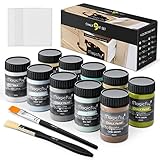
An upcycling furniture project channels a teenager’s changing aesthetic preferences into a productive, hands-on indoor activity that teaches basic interior design and DIY skills. Giving them control over their personal space fosters responsibility and pride in their environment.
When looking for teen room makeover ideas, refinishing thrifted furniture is highly rewarding and incredibly budget-friendly. These DIY upcycling projects utilize matte chalk paint, which requires almost zero prep work. It is the perfect low-risk summer craft for teenagers who want immediate, satisfying visual results without dealing with harsh chemical strippers.
DIY Materials Needed
- An outdated piece of small furniture (thrifted nightstand, old desk, or wooden mirror frame)
- High-quality matte chalk paint (requires zero priming)
- Medium-grit and fine-grit sanding sponges (120 and 220 grit)
- Synthetic bristle paint brushes designed for smooth finishes
- Clear finishing wax or polyacrylic topcoat for durability
- Modern replacement hardware (brass pulls or matte black knobs)
Upcycling Steps
- Clean the thrifted furniture piece thoroughly with a degreasing cleaner (like TSP substitute) to remove decades of dirt and oil that will prevent paint adhesion.
- Scuff-sand the surface lightly with the 120-grit sponge just to remove the glossy sheen; wipe away all dust with a damp microfiber cloth.
- Apply the first coat of matte chalk paint using long, even strokes, allowing it to dry completely (usually 1-2 hours) before applying a full-coverage second coat.
- Seal the dried, painted piece by buffing in a clear finishing wax with a lint-free rag, or applying a water-based polyacrylic topcoat for high-traffic surfaces like desk tops.
- Install the new, modernized hardware using a screwdriver, instantly transforming the piece from a thrift-store discard into a custom aesthetic room feature.
Common mistakes to avoid: Always wait a full 72 hours before placing heavy items like lamps or laptops on a freshly painted desk or nightstand. While paint feels dry to the touch quickly, it takes several days to fully “cure” and harden against scratches.
6. Master a New Culinary Skill with a Weekly Cooking Challenge

Pin this weekly culinary challenge idea to help your teens build essential life skills!
A weekly cooking challenge teaches teenagers vital independent culinary skills in a gamified format, simultaneously taking dinner prep off the parents’ plate once a week. Structuring meal prep as a fun competition rather than a chore guarantees much higher participation rates.
When teens learn to cook, they master essential teen life skills like meal planning, grocery budgeting, and food safety. This summer culinary challenge should begin with proper tool usage, emphasizing that a sharp beginner chef knife is actually safer than a dull one. By guiding them through the entire workflow, you foster true culinary confidence.
Kitchen Tools Required
- A beginner-friendly 8-inch chef’s knife (sharp knives are actually safer than dull ones)
- Cut-resistant safety gloves or a stainless steel finger guard
- Color-coded cutting boards (to prevent raw meat cross-contamination)
- A digital instant-read meat thermometer for food safety
- A highly-rated teen-focused cookbook or curated Pinterest recipe board
- Weekly grocery budget envelope
The Cooking Workflow
- Select a culinary theme for the week (e.g., “Homemade Pasta from Scratch,” “Gourmet Smash Burgers,” or “Authentic Street Tacos”) every Sunday morning.
- Research recipes online, write out a detailed ingredient list, and accompany a parent to the grocery store to learn how to select fresh produce and stay within budget.
- Prep all ingredients using the mise en place method (chopping, measuring, and organizing everything into small bowls before turning on the stove).
- Cook the meal independently while a parent is nearby for safety supervision, utilizing the digital thermometer to ensure all proteins reach safe internal temperatures.
- Plate the food aesthetically for a family dinner presentation, and follow through with the rule that the chef must clean their own prep station while the family cleans the dinner dishes.
Pro-Tip: Start the first two weeks with baking challenges rather than stovetop cooking. Baking requires strict adherence to measurements and directions, building fundamental kitchen discipline before moving on to heat-based culinary improvisation.

7. Volunteer at a Local Animal Shelter or Community Garden

Save these essential community garden volunteer supplies to inspire your teen’s civic engagement!
Volunteering at local non-profits provides teenagers with meaningful ways to give back to the community while powerfully building their resumes for future college applications. Dedicating time to civic duty naturally develops deep empathy and shifts their perspective beyond their immediate social circles.
Seeking out teen volunteer opportunities like animal shelter volunteering or community garden maintenance teaches incredible responsibility. These summer community service hours are not just about doing good; they are critical for National Honor Society requirements and scholarship applications. Providing them with the right protective gear ensures they stay comfortable and safe while working hard.
Volunteer Gear Needed
- Thorn-proof, heavy-duty work gloves (for gardening or handling rough shelter materials)
- Closed-toe, slip-resistant work shoes or waterproof boots
- Breathable, moisture-wicking outdoor clothing that you don’t mind getting stained
- A dedicated volunteer hours tracking logbook or mobile app
- A durable, washable canvas tote bag for carrying personal items
- Insulated stainless steel water bottle
The Application Process
- Research local non-profit organizations using sites like VolunteerMatch, focusing on causes the teen is genuinely passionate about (animals, environment, or food insecurity).
- Review the age requirements on the organization’s website; many shelters require volunteers under 16 to be accompanied by a parent for insurance purposes.
- Draft a polite, professional email to the volunteer coordinator inquiring about summer orientation sessions, teaching the teen vital professional communication skills.
- Attend the mandatory safety orientation session, ensuring all liability waivers are signed and emergency contact forms are fully completed.
- Log every single hour worked immediately in a tracking app; these verified hours are incredibly valuable for future National Honor Society applications and college essays.
Expert insight: If local shelters are completely full for the summer, teens can still “micro-volunteer.” Organizing a neighborhood pet food drive or making no-sew fleece blankets at home to donate to the animal rescue later are highly effective alternatives.

8. Build an Ultimate Summer Reading and Hammock Retreat

Pin this dreamy summer reading hammock setup to encourage screen-free downtime!
Designing a dedicated backyard hammock retreat encourages crucial academic maintenance over the break by framing reading as a luxurious, relaxing outdoor leisure activity. Transforming a simple reading assignment into an aesthetic experience makes teenagers infinitely more likely to participate voluntarily.
Curating a strong teen summer reading list prevents the dreaded “summer slide” in learning loss. By pairing their reading goals with a comfortable backyard hammock setup, you create one of the most effective relaxing summer activities possible. These screen-free hobbies promote vital mental health downtime while keeping their minds sharp for the upcoming school year.
Retreat Gear Needed
- A breathable nylon parachute hammock (double size for extra comfort)
- Heavy-duty tree-safe suspension straps (no-knot carabiner systems are easiest)
- A water-resistant e-reader or a stack of highly-rated YA fantasy/thriller physical books
- A clip-on rechargeable reading light for dusk sessions
- A lightweight Turkish cotton towel or throw blanket
- Bug-repelling essential oil spray or a portable mosquito repeller
Setup Instructions
- Locate two sturdy, living trees approximately 12 to 15 feet apart in a shaded area of the yard, ensuring there are no dead branches hanging overhead (widowmakers).
- Wrap the tree-safe suspension straps around the trunks roughly 5 feet off the ground, looping the strap through its own designated loop to secure it without damaging the bark.
- Clip the hammock carabiners into the strap loops, adjusting the tension until the empty hammock hangs in a gentle “banana” curve (about 18 inches off the ground).
- Download the Libby app on an e-reader or tablet to connect your local library card for access to thousands of free digital audiobooks and ebooks.
- Establish a daily “unplugged hour” where the teen leaves their smartphone inside the house and retreats to the hammock exclusively for reading, sketching, or napping.
Common mistakes to avoid: Hanging a hammock too tight is the most frequent beginner error. A hammock should hang loosely so the reader can lie diagonally across the fabric. This flattens the material out and prevents the uncomfortable, claustrophobic “cocoon” effect.

9. Plan a Creative Photography and City Scavenger Hunt

Pin this creative photography challenge for your teen’s next weekend outing!
A city scavenger hunt channels a teen’s natural inclination toward taking photos into a highly structured, artistic outdoor activity they can enjoy safely with friends. It gets them walking around local neighborhoods while actively observing their environment through an artistic lens.
When searching for fun group activities for teens, capitalizing on the resurgence of retro analog film is a guaranteed win. This summer photo challenge teaches actual composition skills rather than just snapping quick selfies. These teen photography ideas encourage urban exploration while forcing participants to be deeply intentional about every single shot they take.
Photography Gear Needed
- A retro instant camera (or a digital point-and-shoot to avoid smartphone distractions)
- Extra packs of instant film (budget accordingly, as film is expensive)
- A small, protective camera carrying case with a crossbody strap
- A printed list of abstract scavenger hunt prompts (e.g., “Neon signs,” “Symmetry,” “A pop of yellow,” “Leading lines”)
- A blank aesthetic scrapbook or corkboard for displaying the final prints
- Washi tape or photo corners for mounting
Hunt Instructions
- Draft a list of 15-20 photography prompts that focus on color, texture, and emotion rather than specific items. (Example: Find something that represents “Summer Freedom” instead of just “Find a bicycle”).
- Set boundaries for the hunt in a safe, walkable downtown area, local park, or outdoor shopping district, establishing a clear meeting point and time limit (usually 90 minutes).
- Equip the teens with the instant cameras and a strict limit of 10 photos per person, forcing them to be incredibly intentional and creative with their composition before pressing the shutter.
- Roam the designated area in pairs, searching for unique angles, shadows, and architectural details that fulfill the prompt list requirements.
- Reconvene at a local coffee shop or ice cream parlor to lay all the developed instant photos on the table, comparing creative interpretations before mounting them in a summer memory scrapbook.
Pro-Tip: Teaching teenagers to physically squat down or find a high vantage point to change their perspective is the fastest way to instantly improve their photography skills. Changing elevations makes standard images look much more professional and dynamic.

10. Set Up a Backyard Camping and Stargazing Experience

Save this magical backyard camping and stargazing setup for a memorable teen sleepover!
Backyard camping provides a safe, supervised, yet fiercely independent overnight adventure without the logistical headaches of traveling to a remote wilderness campsite. It allows teens to experience the thrill of sleeping outdoors while keeping clean bathrooms and kitchen access merely steps away.
These outdoor night activities are perfect for fostering close friendships. Combining backyard camping ideas with basic astronomy makes for unforgettable summer sleepover ideas. By utilizing augmented reality apps and a beginner telescope, stargazing for teens becomes highly educational while remaining incredibly fun and engaging.
Camp Gear Needed
- A spacious, easy-setup dome tent (4-person size for maximum stretching room)
- Waterproof ground tarp to prevent morning dew from seeping through the floor
- Thick inflatable sleeping pads or a self-inflating camping mattress
- Battery-operated LED camping lanterns and a string of battery fairy lights
- A beginner-friendly astronomy telescope with a smartphone camera adapter
- Free stargazing apps (like SkyView or Star Walk) downloaded on a phone
Setup Steps
- Clear a flat section of the backyard of any rocks, twigs, or pet waste before laying down the waterproof tarp footprint to protect the bottom of the tent.
- Pitch the tent collaboratively during the daylight hours, ensuring the rainfly is securely attached just in case of unexpected overnight summer drizzle.
- Layer the interior floor with thick blankets or interlocking foam mats beneath the sleeping bags to insulate against the cold ground and provide ultimate comfort.
- Set up the telescope on a stable tripod away from patio lights, aligning the finder scope while it’s still dusk so it’s ready for dark-sky viewing.
- Use the augmented reality stargazing app to identify passing satellites, the International Space Station, and major constellations, attaching a smartphone to the telescope mount to capture photos of the lunar craters.
Pro-Tip: The secret to comfortable backyard camping is temperature regulation. Even in mid-summer, grass gets surprisingly cold and damp by 3:00 AM. Always put a closed-cell foam pad under your air mattress to block the cold air radiating directly from the ground.

11. Design a Custom Tie-Dye and Bleach-Dye Clothing Workshop

Pin this ultimate tie-dye and bleach-dye workshop setup for a messy, creative afternoon!
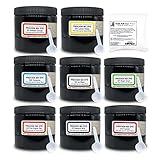
A professional tie-dye workshop engages teens in a trendy, highly creative fashion project that allows them to heavily customize their own wardrobe. Upgrading from cheap craft kits to professional-grade dyes makes the results look like expensive boutique clothing, which teenagers absolutely love.
When looking for messy summer crafts for teenagers, creating intricate tie dye patterns is unmatched. Exploring diy teen fashion through vibrant colors or edgy bleach dye clothes (reverse dyeing) provides endless artistic possibilities. Ensure you enforce strict safety gear requirements and outdoor ventilation to keep the project fun and safe.
Workshop Supplies Needed
- Professional fiber-reactive dye kit (much more vibrant and fade-resistant than standard craft store kits)
- Soda ash (crucial for prepping the fabric to accept the dye permanently)
- Assorted 100% cotton garments (sweatpants, t-shirts, canvas tote bags, or dark hoodies for bleach dyeing)
- Thick rubber bands and large gallon-sized Ziploc bags
- Heavy-duty nitrile gloves and a large plastic drop cloth
- A spray bottle filled with a 50/50 bleach and water solution (for reverse dyeing)
Dyeing Instructions
- Pre-wash all garments to remove factory sizing, then soak the damp cotton items in a bucket of warm water mixed with soda ash for 20 minutes to prepare the fibers for maximum color absorption.
- Set up the dye station entirely outdoors on a grass surface covered with a plastic drop cloth, ensuring everyone is wearing old clothes and thick nitrile protective gloves.
- Pinch and twist the damp garments using traditional spiral, crumple, or bullseye techniques, securing the tightly bound fabric with multiple thick rubber bands.
- Apply the liquid dye directly from the squeeze bottles into the segmented sections of the fabric. For dark clothing, spray the bleach solution carefully outdoors to strip the color away (reverse dyeing).
- Seal the saturated garments in individual Ziploc bags and let them rest in a warm place for a full 24 hours before rinsing them in cold water until the water runs clear, followed by a hot machine wash alone.
Common mistakes to avoid: The biggest mistake beginners make is using polyester blends. Fiber-reactive dyes will only bind to natural cellulose fibers. Always check the clothing tag to ensure it is at least 90% cotton, linen, or rayon, otherwise the vibrant colors will literally wash down the drain.
Before diving into the logistics of scheduling, it is crucial to understand the overarching strategies that make these activities successful. Consistently applying these core principles to your teen summer bucket list will effortlessly keep teens busy while maximizing their personal growth. Let’s review the most critical strategic planning insights for executing these summer activities for teens.
- Prioritize Autonomy and Ownership: Allow your teenager to choose which activities from this list they want to pursue, giving them the budget and responsibility to gather the supplies themselves.
-
Invest in the Right Setup Gear: Whether it’s a high-lumen outdoor projector or professional fiber-reactive dyes, having the correct, high-quality tools prevents frustration and guarantees the activity’s success.
-
Balance Structure with Unstructured Downtime: Schedule high-energy activities like water balloon tournaments alongside restorative, screen-free downtime in a backyard hammock retreat.
-
Build Tangible Life Skills: Disguise essential skill-building—like financial literacy and culinary safety—inside fun challenges like neighborhood side hustles and weekly cooking competitions.
-
Leverage Peer Socialization: Almost every activity on this list, from geocaching to photography scavenger hunts, becomes exponentially more engaging when teens are encouraged to invite a friend.
-
Focus on Outdoor Safety Protocols: When planning hiking trips or backyard camping, always prioritize sun protection, tick repellent, and proper hydration to keep outdoor adventures safe.
-
Document the Memories Aesthetically: Encourage teens to use retro instant cameras or journaling to document their summer bucket list, providing a tangible sense of accomplishment when August arrives.
Parents frequently have logistical and psychological questions about managing their teenager’s free time effectively. Addressing the deeper concerns regarding screen time, motivation, and practical employment builds a better foundation for the months ahead. Below are expert answers to the most common questions regarding what to do in the summer for teenagers.
What are the best ways to get a teenager off their phone during summer?
The most effective way to reduce teen screen time is by replacing it with highly engaging, hands-on activities rather than just issuing punishments or strict limits. Set up environmentally appealing alternatives, like a comfortable backyard reading hammock or an upcycling project that requires both hands. Child development experts suggest establishing a family “digital detox” hour where everyone unplugs simultaneously, making the teenager feel less targeted while naturally encouraging outdoor exploration or creative hobbies.
How do I motivate a lazy teenager in the summer?
You can motivate a lethargic teenager by giving them autonomy, responsibility, and a sense of ownership over their summer schedule rather than dictating a chore list. Sit down together and let them choose three major projects or skills they want to master, such as learning to cook gourmet meals or refinishing furniture. By funding their chosen projects and stepping back, you transition their mindset from feeling “managed” to feeling empowered, which naturally increases their daily motivation and energy levels.
What are good summer jobs for a 14 or 15-year-old?
The best summer jobs for young teens include neighborhood-based entrepreneurial hustles like pet sitting, car detailing, lawn care, or acting as a mother’s helper. Since traditional corporate retail or food service jobs often require teens to be 16 due to labor laws, starting a localized side hustle teaches incredible financial literacy and time management. Equip them with a mobile card reader and help them design digital flyers to safely advertise their services to trusted neighbors on community platforms.
Are there any free summer activities for teens?
Yes, numerous free summer activities include geocaching, volunteering at local animal shelters, hiking local municipal trails, and utilizing digital library apps for audiobooks. You don’t need a massive budget to beat summer boredom. Geocaching only requires a smartphone and a free app to start hunting for local treasures. Similarly, volunteering provides free, structured socialization and vital resume-building hours without costing anything but time and a willingness to help the community.
How can teens make money from home during summer break?
Teens can easily make money from home by selling upcycled thrifted clothing online, offering digital tutoring, or creating custom crafts. Platforms like Depop or Poshmark are incredibly popular for teens to flip vintage clothing for a profit. Alternatively, if your teen excels in a specific subject, they can offer virtual tutoring sessions to younger neighborhood kids to help them avoid the “summer slide,” turning their academic skills into a profitable summer business.
What should a teenager’s daily summer schedule look like?
A healthy teen summer schedule should balance late mornings with dedicated blocks for physical activity, household contributions, and unstructured social time. Industry standards suggest avoiding rigid hourly itineraries. Instead, implement a “milestone” schedule: they can enjoy free screen time only after completing one physical activity, one creative/learning task (like reading or cooking prep), and their daily household chore. This maintains necessary structure while still feeling like a relaxing vacation.
How do I plan a safe summer road trip or outing for my teen’s friends?
Plan safe group outings by setting clear boundaries, verifying the destination’s safety protocols, and ensuring everyone has emergency contact information. If teens are driving themselves to a local hiking trail or amusement park, require them to share their GPS location via their smartphones for the duration of the trip. Ensure they pack a basic first aid kit, plenty of water, and external battery chargers, establishing a firm rule that the driver’s phone goes in the glovebox while the vehicle is moving.
What are fun indoor activities for teens on rainy summer days?
Engaging indoor rainy day activities include DIY room makeovers, testing complex baking recipes, hosting indoor movie marathons, or tackling detailed craft workshops. When the weather ruins outdoor plans, pivot to high-focus indoor projects. Setting up a comprehensive tie-dye station in the garage or challenging them to cook an intricate dinner recipe from scratch can easily consume an entire afternoon. Focus on activities that yield a tangible, rewarding final product.
Is it normal for teenagers to sleep all day during summer break?
Yes, it is biologically normal for teenagers to experience a shift in their circadian rhythm, causing them to stay up later and sleep longer into the morning. According to pediatric research, adolescents naturally require 8-10 hours of sleep for proper brain development. While sleeping until noon occasionally is fine, chronic lethargy can be a sign of depression or excessive late-night screen time. Counteract this by scheduling engaging activities, like a photography scavenger hunt, in the mid-morning to gently reset their sleep schedule.
How can I help my teen prepare for college during the summer?
Teens can prepare for college efficiently during the summer by volunteering for verified community service hours, touring local campuses, and reading consistently. Summer is the perfect time to build a robust college resume without the stress of daily homework. Encourage them to secure a volunteer position at a local community garden or animal shelter, log their hours meticulously, and spend time in a backyard hammock reading challenging books to maintain their reading comprehension skills before the fall semester begins.
Navigating the long months of summer break with a teenager doesn’t have to be a daily battle against boredom and excessive screen time. By intentionally shifting away from generic suggestions and instead providing your teen with the actual tools, gear, and autonomy to execute these comprehensive summer activities for teens, you are setting the stage for a season of incredible growth and genuine fun. Whether they are upcycling their bedroom furniture, organizing a neighborhood side hustle, or simply unplugging in a backyard hammock, the key is to facilitate independence rather than dictating their schedule.
Remember that as a parent, your role isn’t to act as a 24/7 cruise director. According to child development experts, a little bit of boredom is actually a vital catalyst for creativity. Your job is simply to present these fun things to do, supply the initial materials, and step back to let their natural curiosity take over. When teenagers are given ownership over their projects—from planning a photography scavenger hunt to executing a weekly culinary challenge—they naturally invest more energy and enthusiasm into the process.
Take a moment to sit down with your teen this week, review this list together, and choose two or three major projects to anchor their summer bucket list. Order the necessary supplies, mark the dates on the calendar, and watch as they transform their free time into meaningful, memorable experiences.
Which of these screen-free summer adventures are you most excited to try with your teenager? Let us know in the comments below, and don’t forget to save this guide to your Pinterest boards so you have a foolproof boredom-busting resource ready whenever you need it!
Last update on 2026-04-27 / Affiliate links / Images from Amazon Product Advertising API