Are you feeling overwhelmed by the rapidly approaching hot weather season? Figuring out the stuff to do to get ready for summer often causes serious planning paralysis. Balancing home maintenance, family schedules, and personal routines is undeniably stressful.
To get ready for summer, you should complete a holistic seasonal transition by servicing your home’s HVAC system, transitioning your closet to a summer capsule wardrobe, adopting a dermatologist-recommended skincare routine with high SPF, and scheduling family activities or travel. Proper preparation prevents seasonal burnout and costly home maintenance emergencies.
Drawing from comprehensive analysis of current data and proven methodologies, this guide guarantees complete summer readiness. You will discover exactly how to optimize your home, body, and lifestyle for the hot months ahead. Follow this step-by-step checklist to eliminate transition anxiety and maximize your seasonal joy.
To effectively execute this pre-summer preparation, you must follow a highly structured, sequential action plan that addresses your body, home, wardrobe, and lifestyle. A comprehensive summer prep guide ensures you never miss critical domestic maintenance or essential personal care steps. By categorizing your summer readiness planning into actionable pillars, you eliminate the cognitive load of a massive, unorganized to-do list.
This step-by-step methodology streamlines morning routines, structures daily activities, and optimizes your living spaces for the upcoming heat. Whether you want to achieve a healthy pre summer glow up or build lifelong healthy summer habits, executing these exact steps guarantees a seamless, stress-free seasonal transition for your entire household.
1. Exfoliate Your Skin for a Pre-Summer Glow Up

Pin this summer skincare routine to your Beauty & Glow-Up board!
Dry skin exfoliation physically removes dead skin cells and properly safeguards skin against dullness, acting as the foundation for how to get your skin glowing and ready for summer. Preparing dull, winterized skin for hot weather exposure requires gentle, effective exfoliation techniques.
Products & Tools Used
- Glycolic acid body scrub (look for formulations with lactic or glycolic acid to gently dissolve dead skin)
- Natural bristle dry body brush (firm but gentle bristles)
- Deeply hydrating, ceramide-rich body lotion
- Soft, clean linen or microfiber towels
Application Steps
- Dry Brush: Before showering, gently brush your dry skin in upward, circular motions starting from your ankles and moving toward your heart to stimulate lymphatic drainage.
- Exfoliate: Step into a lukewarm shower and massage the glycolic acid body scrub onto damp skin, focusing on rough areas like knees and elbows.
- Rinse: Wash away the scrub thoroughly using lukewarm water (avoid hot water, which exacerbates dryness).
- Moisturize: Within two minutes of exiting the shower, apply a ceramide-rich body lotion to lock in moisture and repair the skin barrier.
Pro-Tip: Over-exfoliation can lead to severe transepidermal water loss prevention issues. A licensed aesthetician exfoliation guide generally recommends limiting physical body scrubs to 1-2 times per week to maintain a healthy, microbiome friendly summer skincare routine without causing micro-tears.

2. Protect and Transition to High SPF Formulations

Save these essential SPF swap tips for your summer beauty prep!
Sunscreen SPF application is critical to protect your skin, so you must stock up on sunscreen to safely mitigate intense UV damage and prevent painful sunburns. Understanding the nuances of physical vs chemical sunscreen empowers you to make informed decisions for your daily skincare routine.
Products & Tools Used
- Lightweight, broad-spectrum facial sunscreen (SPF 30 or higher)
- Mineral-based body sunscreen (zinc oxide or titanium dioxide base)
- SPF lip balm (SPF 15 or higher)
- Sweat proof cosmetics (if wearing makeup over SPF)
Application Steps
- Audit: Discard any expired sunscreens from last year, as the active ingredients degrade and lose efficacy over time.
- Transition: Swap heavy winter face creams for a lightweight moisturizer paired with a dedicated facial SPF.
- Apply: Measure out two finger-lengths of facial sunscreen to ensure adequate coverage for your face and neck.
- Protect: Liberally apply body SPF 15-30 minutes before sun exposure, ensuring you don’t forget easily burned areas like the tops of ears and feet.
- Reapply: Set a timer on your phone to reapply sunscreen every two hours, or immediately after swimming or heavy sweating.
Pro-Tip: When choosing between a physical and chemical block, remember that melanoma prevention protocols strongly favor broad-spectrum UVA UVB protection. Physical (mineral) sunscreens sit on top of the skin and deflect rays, making them excellent for sensitive skin, while chemical filters absorb UV rays and are often preferred for their invisible finish.

3. Declutter and Transition to a Summer Capsule Wardrobe

Pin this closet decluttering workflow to your Home Organization board!
Clean out your closet systematically to build an organized summer wardrobe that maximizes outfit combinations and minimizes daily dressing friction. Learning exactly how to transition your closet from spring to summer solves the common cluttered closet capsule wardrobe dilemma.
Supplies Needed
- Under-bed storage bins or vacuum-seal bags for heavy winter coats and knits
- Matching non-slip velvet clothing hangers (saves space and looks aesthetic)
- Donation boxes or heavy-duty trash bags
- Cedar blocks or lavender sachets (for protecting stored winter clothes)
Action Plan
- Empty: Take absolutely everything out of your closet and lay it on your bed to force a complete inventory check.
- Sort: Create three distinct piles: Keep for Summer, Store for Winter, and Donate/Sell.
- Store: Fold heavy sweaters, wool pants, and heavy denim into vacuum-seal bags or storage bins, adding a cedar block to prevent moths.
- Curate: Select 25-30 versatile, lightweight pieces to form your summer capsule wardrobe, heavily favoring breathable fabrics.
- Organize: Hang your summer garments on matching velvet hangers, organizing them by clothing type, and then by color from light to dark.
Pro-Tip: When building your summer capsule, rely heavily on capsule wardrobe color theory. Stick to a core neutral palette (creams, whites, navy) and add pops of color through accessories. Furthermore, always prioritize natural fibers; the breathability of cotton vs linen for hot weather makes them vastly superior to synthetic polyesters that trap sweat.

4. Service Your HVAC and Prepare Your Home for Hot Weather

Save this home maintenance checklist so you aren’t sweating when the heatwave hits!
To thoroughly prepare your home for summer, you must service your air conditioning HVAC system early to avoid peak-season breakdowns and high energy bills. Addressing an unprepared AC HVAC tune up proactively ensures your cooling systems run efficiently when temperatures spike.
Tools Required
- High-efficiency pleated air filters (MERV 11 or higher to capture summer pollen)
- Soft-bristle brush (for cleaning outdoor compressor fins)
- Smart or programmable thermostat (if not already installed)
- Wet/dry shop vacuum (for clearing the AC drain line)
Process
- Inspect: Turn on your air conditioner for 30 minutes on a mild spring day to ensure it blows cold air before the summer rush hits HVAC companies.
- Replace: Swap out your indoor air filter. A dirty filter forces the unit to work harder, severely driving up your summer energy bills.
- Clear: Go outside to your AC compressor unit and clear away at least two feet of brush, leaves, and debris from around the system to ensure proper airflow.
- Vacuum: Gently vacuum the exterior fins of the outdoor unit using a soft brush attachment to remove caked-on dirt and pollen.
- Program: Set your programmable thermostat to match your summer schedule, raising the temperature when you are at work to conserve energy.
Pro-Tip: According to certified HVAC maintenance standards, performing a comprehensive evaporator coil cleaning procedure and ensuring your filter is fresh is critical for SEER rating optimization. For maximum efficiency, adhere to EPA recommended home temperatures, which suggest setting your thermostat to 78°F (25°C) when you are home and need cooling, and higher when you are away.

5. Clean and Refresh Your Patio Furniture

Pin this patio refresh guide to get your backyard ready for entertaining!
The best ways to get your backyard ready for summer entertaining begin with a deep clean and fabric protection process for your patio furniture. Preparing your outdoor spaces early enhances the aesthetic appeal of your home and facilitates spontaneous outdoor dining.
Supplies Needed
- Mild dish soap or specialized outdoor fabric cleaner
- Soft-bristle scrubbing brush
- UV fabric protectant and waterproofing spray (crucial for summer sun)
- Power washer (optional, for hard surfaces only)
Quick Steps
- Remove: Take all cushions and pillows off the furniture frames. Brush off loose dirt, cobwebs, and leaves.
- Wash: Mix a few drops of mild dish soap into a bucket of warm water. Use the soft brush to scrub the fabric cushions gently, then rinse thoroughly with a garden hose (do not use a power washer on fabric).
- Wipe: Wipe down metal, wicker, or wooden frames with the soapy water. Dry metal thoroughly to prevent rust.
- Protect: Once the cushions are 100% bone-dry, spray them liberally with a UV fabric protectant.
- Style: Arrange the furniture back on the patio and add aesthetic touches like outdoor string lights or a weather-resistant rug.
Pro-Tip: The biggest mistake homeowners make is skipping the waterproofing step after cleaning. Applying a high-quality UV protectant spray not only repels water during summer thunderstorms but actively prevents severe sun-fading on expensive outdoor textiles.

6. Hydrate Deeply and Adjust Your Diet for the Heat

Save this healthy summer hydration guide to your Wellness Routine board!
A proactive hydration schedule naturally prevents dangerous dehydration during extreme heatwaves and outdoor activities. Adjusting your diet to include water-rich foods actively supports your body’s cooling mechanisms and answers the question of how to eat healthier to prepare for summer.
Supplies Needed
- Large capacity (32-40 oz) vacuum-insulated stainless steel water bottle
- Electrolyte powder packets (sugar-free preferred)
- Water-rich produce (watermelon, cucumbers, strawberries, celery)
- Hydration tracking app (optional)
Routine Steps
- Assess: Calculate your baseline water needs (generally half your body weight in ounces) and add 20-30% more to account for summer heat and outdoor activities.
- Invest: Purchase a high-quality insulated water bottle that keeps ice water cold for 24 hours. If your water is cold, you are statistically more likely to drink it.
- Infuse: If you struggle with plain water, prep a pitcher of infused water in the fridge every night using cucumber, mint, and lemon.
- Eat Water: Transition your diet away from heavy winter stews toward water-rich, raw foods. Incorporate watermelon or cucumber salads into your daily lunches.
- Replenish: After prolonged outdoor sun exposure, supplement your water intake with an electrolyte packet to replace lost sodium and potassium.
Pro-Tip: According to dietitian recommended summer hydration foods protocols, drinking plain water isn’t always enough during extreme heatwaves. Maintaining proper electrolyte balance and cellular hydration is vital. Eating foods high in potassium (like bananas and avocados) alongside your water intake helps your cells actually absorb and hold onto the hydration, preventing heat exhaustion.

7. Prep Your Feet with a DIY Pedicure for Sandal Season

Pin this easy DIY pedicure routine to get sandal-ready feet at home!
Excellent rough feet pedicure prep at home successfully removes dead skin cells and beautifully enhances the aesthetic appeal of your feet. These simple tips to get your feet ready for sandal season provide a cost-effective alternative to expensive salon treatments.
Products & Tools Used
- Foot basin or tub for soaking
- Epsom salts or moisturizing foot soak
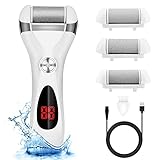
- Electric callus remover or high-quality pumice stone
- Cuticle pusher and nippers (for hangnails only)
- Deeply moisturizing foot cream (containing urea or lactic acid)
- Bright summer nail polish and top coat
Application Steps
- Soak: Fill a basin with warm water and Epsom salts. Soak your feet for 10-15 minutes to soften hardened winter calluses.
- Smooth: While feet are still slightly damp, gently use the electric callus remover or pumice stone on your heels and the balls of your feet to shave away dead skin.
- Prep: Push back your cuticles gently using a cuticle pusher. Do not cut them, as this can lead to infection. Trim and file your nails straight across to prevent ingrown toenails.
- Moisturize: Massage a thick layer of urea-based foot cream into your feet, avoiding the area between the toes.
- Polish: Wipe your nail beds with rubbing alcohol to remove lotion residue, apply a base coat, two coats of your favorite summer color, and a glossy top coat.
Pro-Tip: In the debate of a DIY pedicure vs salon pedicure, a DIY approach is significantly more hygienic if you are prone to infections. To mimic professional salon pedicure safety, never aggressively slice off calluses with a blade. Instead, use an electric file consistently over a few weeks, combined with a cream containing chemical exfoliants (like urea) to dissolve dead skin safely.
8. Plan a Budget-Friendly Summer Vacation or Staycation

Save this budget-friendly vacation planning workflow for your summer travels!
To proactively plan a summer vacation on a budget, you must secure a detailed travel itinerary before dynamic pricing surges hit airlines and hotels. Learning how to plan a budget friendly summer vacation early guarantees you can affordably facilitate meaningful family activities.
Resources Needed
- Dedicated physical travel journal or digital planning template
- Flight and hotel price-tracking apps (like Hopper or Google Flights)
- A defined summer savings budget
- A shared family calendar
Action Plan
- Decide: Hold a family meeting in early spring to debate a staycation vs international vacation, settling on a destination that fits your current financial reality.
- Budget: Define a strict maximum budget. Break it down into categories: Flights/Gas, Lodging, Food, Activities, and Emergency buffer.
- Track: Set up price alerts on flight tracking apps immediately. The sweet spot for domestic summer flights in 2026 is generally booking 1-3 months in advance.
- Book: Secure your major tentpoles first—flights and lodging. These are the most likely to book up or surge in price as summer approaches.
- Draft: Use your travel journal to draft a loose daily itinerary, intentionally leaving 30% of your days open for spontaneous exploration or rest.
Pro-Tip: Following travel expert budget planning advice, you should clear your browser cookies or use an incognito window when repeatedly checking flight prices, as airlines use algorithmic dynamic pricing. Additionally, leaning into sustainable tourism and travel planning by booking local, off-the-beaten-path destinations rather than viral tourist traps can cut your budget in half.

9. Schedule Summer Camps and Organize the Family Calendar

Pin this family calendar workflow to master your summer schedule!
A highly visible family schedule effectively coordinates childcare and summer camp logistics, preventing the chaos of overwhelmed calendar time blocking. Knowing how to organize a summer calendar for the family ensures children stay engaged and minimizes academic regression during the long break.
Tools & Resources
- Large acrylic or dry-erase magnetic wall calendar (visible to the whole family)
- Color-coded dry erase markers (assign one color per family member)
- Spreadsheet of local camp registration dates and deadlines
- School district’s official summer break dates
Action Plan
- Map: Write out the exact dates of the summer break on your wall calendar. Block out your planned family vacation weeks first so you don’t double-book.
- Research: Identify local day camps, VBS programs, and sports clinics. Note that many high-demand programs open registration as early as February or March.
- Register: Book your chosen camps immediately upon registration opening. Keep a folder with your child’s updated medical and vaccination records handy, as most camps require these.
- Color-Code: Write each child’s camp schedule on the wall calendar using their assigned marker color, including drop-off and pick-up times.
- Buffer: Intentionally leave 1-2 weeks completely blank. A rigidly planned schedule vs unscheduled summer can lead to burnout; kids need downtime for unstructured, imaginative play.
Pro-Tip: When selecting childcare, always look for programs that meet accredited summer camp standards (like ACA accreditation). To prevent the dreaded “summer slide” in education, balance physical sports camps with local library reading programs, which minimizes summer slide using engaging, low-pressure cognitive exercises.

10. Inventory and Restock Your Beach Bag Essentials

Pin this beach bag packing list so you’re always ready for a pool day!
Curating a dedicated bag loaded with beach bag essentials strategically organizes your summer gear for spontaneous pool trips and reduces last-minute packing anxiety. If you are wondering what you should pack in a summer beach bag, this specific inventory ensures you never forget crucial sun protection.
Supplies Needed
- Extra-large, waterproof, sand-proof tote bag with a zipper closure
- Lightweight, quick-drying Turkish cotton towels (take up less space than terry cloth)
- Water-resistant wet bag (for storing wet swimsuits)
- Mini first-aid kit and insect repellent
- Leave-in hair conditioner or UV hair protectant spray
Preparation Steps
- Audit: Pull out last year’s beach bag and vigorously shake out the sand. Wash the bag thoroughly and throw away any expired, crushed, or melted items left inside.
- Upgrade: If your bag lacks structure or zippers, invest in a waterproof tote with multiple interior pockets to keep wet and dry items separated.
- Stock: Permanently store a dedicated bottle of body SPF, facial SPF, and SPF lip balm in this bag so you never forget them at the house.
- Protect: Add a small wet-bag for bathing suits and a hard-shell protective case for your sunglasses and electronics.
- Stage: Keep the fully stocked bag on a hook near your front door or in the trunk of your car. Now, when a spontaneous pool invite happens, you only need to grab your towel and go.
Pro-Tip: If you spend extensive time at the pool or beach, your hair is highly susceptible to UV and chlorine damage. To mimic hydrolyzed wheat protein for hair humidity protection treatments, pack a specialized leave-in UV hair protectant spray in your bag. Wet your hair with clean water and apply the spray before entering the chlorine to prevent the hair shaft from absorbing harmful chemicals.

11. Create an Aesthetic Summer Bucket List for Ultimate Fun

Pin this aesthetic bucket list guide to romanticize your upcoming summer!
An aesthetic summer bucket list visually facilitates family activities and guarantees you actually romanticize your summer with meaningful local experiences. Generating engaging summer bucket list ideas early prevents the season from slipping by uncelebrated.
Tools & Resources
- A beautiful blank notebook or a digital graphic design template (like Canva)
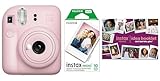
- An instant film camera (to document the list as you go)
- Local community event calendars
- Input from friends or family members
Action Plan
- Brainstorm: Gather your family or friends and brainstorm a massive list of things to do in summer. Don’t edit yourselves yet—write down everything from “visit Italy” to “eat a popsicle on the porch.”
- Categorize: Group your ideas into categories: Free/Cheap, At-Home, Local Outings, and Big Trips.
- Filter: Narrow the list down to 15-20 highly achievable items. A good bucket list balances big events (outdoor concerts) with small, romanticized moments (visiting a local farmers market).
- Design: How to make a summer bucket list aesthetic? Type your finalized list into a beautiful Canva template using elegant summer fonts, print it on heavy cardstock, and hang it on your fridge.
- Execute: Assign a rough timeline to the items. Document crossing each item off by taking a photo with your instant camera and taping it next to the completed activity.
Pro-Tip: When planning, understand the difference between a summer bucket list vs summer goals. Goals are about productivity; bucket lists are about presence. Studies on the psychological benefits of outdoor recreation show that intentionally planning low-stress, novel experiences (like exploring a new hiking trail or trying a new ice cream shop) significantly combats seasonal depression and makes the summer feel longer and more fulfilling.
- Prep Your HVAC Early to Avoid Summer Emergencies: Servicing your air conditioning HVAC system in the spring, including changing filters and cleaning the outdoor compressor, ensures your home stays cool and prevents costly peak-season breakdowns.
- Transition Your Closet to a Summer Capsule: Declutter winter clothing and curate a highly versatile capsule wardrobe focused on breathable natural fabrics like linen and cotton to beat the heat comfortably.
- Audit and Upgrade Your Sun Protection Protocol: Check expiration dates on last year’s SPF and invest in a dedicated, lightweight facial sunscreen that provides broad-spectrum UVA UVB protection to wear daily under makeup.
- Lock Down Summer Camps and Travel Now: Schedule childcare, VBS, and family vacations immediately, as summer camps and affordable flight options book up rapidly before the season even begins.
- Optimize Your Body’s Internal Cooling System: Combat summer fatigue by tracking your hydration, investing in an insulated water bottle, and maintaining electrolyte balance and cellular hydration with water-rich foods.
- Curate an Aesthetic, Low-Stress Bucket List: Don’t let the season pass you by; create a visual summer bucket list that prioritizes accessible, joyful local activities (like farmers markets) over rigid, stressful summer goals.
How to get ready for summer in 30 days?
To get ready for summer in 30 days, focus on one major preparation pillar per week: Week 1 for home and HVAC maintenance, Week 2 for wardrobe decluttering, Week 3 for skincare and body prep, and Week 4 for scheduling and bucket lists. By time-blocking your step by step checklist to get ready for summer, you avoid overwhelm. Breaking the tasks into weekly sprints ensures your home, body, and calendar are fully optimized before the warm weather officially hits.
What should I do to prepare for summer break?
To prepare for summer break, parents should secure childcare and camp registrations, map out family vacations on a visible wall calendar, and establish a flexible daily routine to prevent the summer slide. Transitioning from a rigid school schedule to an unstructured break often causes behavioral friction in children. By blending a planned schedule vs unscheduled summer downtime, you maintain enough structure to keep kids engaged while still allowing for the relaxed, fun atmosphere that summer break requires.
How to glow up over the summer for school?
A true summer glow-up focuses on establishing consistent, healthy habits rather than quick fixes, including a diligent SPF skincare routine, adequate hydration, and finding an outdoor physical activity you genuinely enjoy. To achieve a pre summer glow up, prioritize healing your skin barrier and adopting a minimalist beauty routine. Consistently drinking water, eating water-rich fruits, and getting adequate sleep will naturally improve your complexion and energy levels far more effectively than expensive cosmetic treatments.
How do I prepare my home for hot weather?
Prepare your home for hot weather by servicing your HVAC unit, replacing air filters, checking window seals for drafts, and switching ceiling fans to rotate counterclockwise. Proper hot weather preparation is essential for maintaining indoor comfort and keeping energy bills low. According to EPA recommended home temperatures, utilizing programmable thermostats and heavy blackout curtains during peak afternoon sun hours can drastically reduce the strain on your cooling system while keeping your living spaces perfectly comfortable.
What to do to get a boat ready for summer?
Getting a boat ready for summer involves removing the winter cover, checking the battery charge, inspecting all hoses and belts for cracking, and performing a fluid check on the engine. Following industry standard boat winterization removal protocols, you should also inspect your safety gear, ensuring life jackets are in good condition and fire extinguishers are fully charged. Always test start the engine on dry land using a flush muff before launching it at a busy summer boat ramp.
How to safely prep for summer tanning?
To safely prep for summer tanning, dermatologists strongly recommend using high-quality sunless tanning lotions or professional spray tans rather than exposing your skin to harmful UV radiation. There is no such thing as a “safe” base tan from the sun or tanning beds. Melanoma prevention protocols dictate that you should exfoliate thoroughly, moisturize deeply, and apply a sunless self-tanner to achieve an aesthetic glow, while still wearing broad-spectrum SPF 30+ whenever you are actually outdoors.
What do I need to buy for summer survival?
Essential items to buy for summer survival include a broad-spectrum mineral sunscreen, an insulated stainless steel water bottle, a reliable bug repellent, and a high-efficiency home air filter. When curating your essential items to buy to get ready for summer, prioritize utility and protection. Investing in a quality UV-protective sun hat, lightweight linen clothing, and a dedicated beach bag will ensure you are properly equipped to handle extreme heat and spontaneous outdoor activities comfortably.
How to prepare mentally for summer seasonal changes?
Prepare mentally for summer by intentionally adjusting your sleep schedule to accommodate longer daylight hours and acknowledging that the pressure to constantly socialize can cause seasonal burnout. While we often associate seasonal affective disorder with winter, summer onset SAD is real and often triggered by heat and disrupted routines. Establishing a firm morning routine, maintaining healthy boundaries around your social summer bucket list, and prioritizing quiet downtime can protect your mental health during the chaotic summer months.
How can I get my yard ready for summer?
Get your yard ready for summer by cleaning patio furniture, power-washing decks, tuning up your lawnmower, and planting heat-resistant summer annuals. The best ways to get your backyard ready for summer entertaining involve both aesthetics and safety. Ensure you clear away dead winter brush that could harbor pests, inspect your outdoor grill for propane leaks or rust, and apply a UV-protectant spray to your outdoor fabrics so your entertaining spaces are pristine and welcoming.
How to get my hair ready for summer humidity?
Prepare your hair for summer humidity by incorporating deep conditioning masks into your routine, trimming dead split ends, and investing in anti-humidity sealing sprays. Summer heat and moisture cause the hair cuticle to swell, resulting in severe frizz. By utilizing products with hydrolyzed wheat protein for hair humidity protection, you can seal the hair shaft. Additionally, always wet your hair with fresh water before swimming in chlorinated pools to prevent the hair from absorbing damaging chemicals.
Successfully figuring out the right stuff to do to get ready for summer doesn’t have to be an overwhelming, chaotic rush in late May. By utilizing this comprehensive 11-point summer transition checklist, you can systematically tackle your seasonal prep across every major pillar of your life. From adopting an evidence-based seasonal transition planning mindset for your home’s HVAC system to curating an aesthetic, breathable capsule wardrobe, taking action now ensures that when the hot weather finally arrives, you are completely prepared to enjoy it.
The key to true summer readiness planning is balance. While it is incredibly important to schedule your HVAC tune-ups and organize your family camps early, it is equally vital to prioritize your physical and mental well-being. By taking the time to exfoliate your skin, transition to high-quality SPF, and map out a joyful, low-stress bucket list, you are setting the stage for a season that is both highly productive and deeply restorative. Remember, the goal of preparing for summer season isn’t to create a rigid, inflexible itinerary, but rather to eliminate logistical friction so you have the freedom to be spontaneous.
As you begin to audit, clean, and optimize your life for the upcoming heat in August 2026, take it one step at a time. Start with the domestic tasks that require professional assistance, like air conditioning maintenance, and slowly work your way toward the fun, creative tasks like beach bag packing and vacation planning.
What is the very first task on your pre-summer checklist that you plan to tackle this weekend? Let us know in the comments below, and don’t forget to pin this guide to your seasonal planning boards so you can reference it all spring long!
Last update on 2026-04-27 / Affiliate links / Images from Amazon Product Advertising API