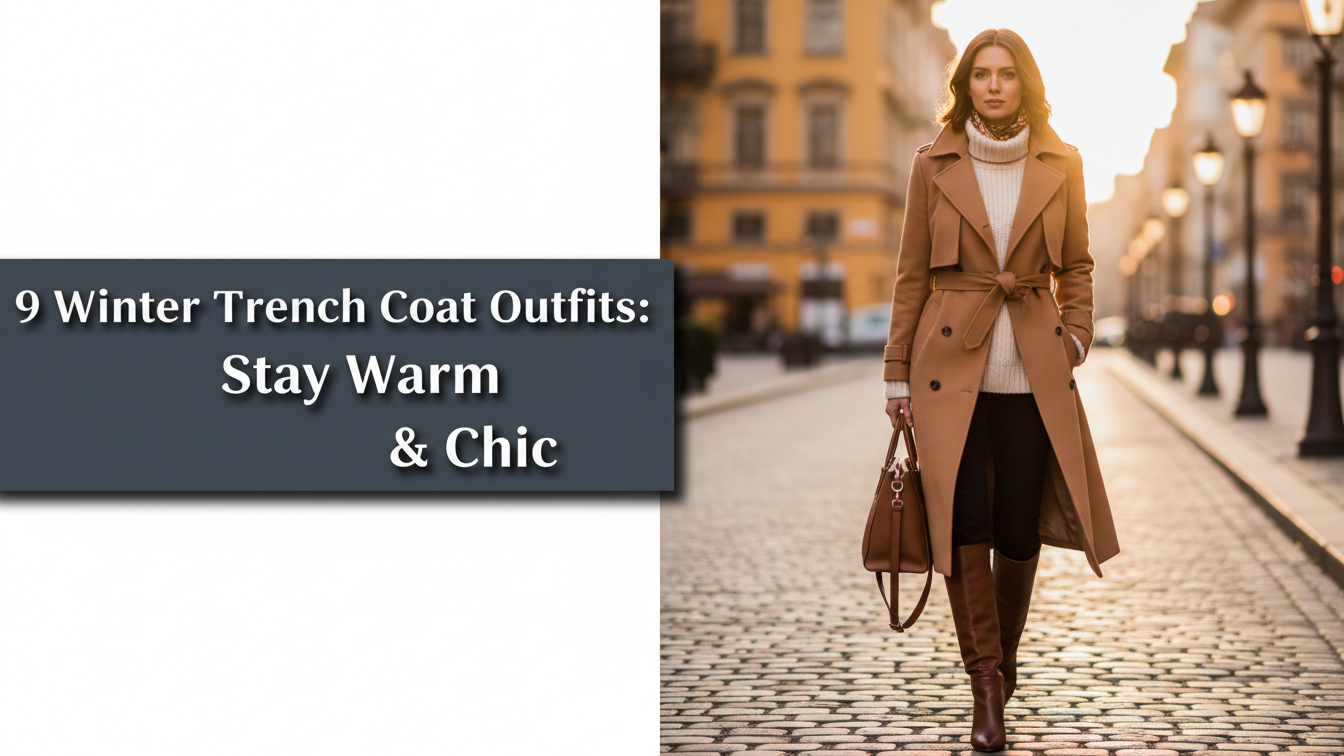
Are you wondering if your trusty trench coat can brave the chill of winter? Many struggle with styling this classic piece when temperatures drop, fearing they’ll sacrifice warmth for style. It’s a common dilemma for fashion enthusiasts wanting to extend their wardrobe’s versatility year-round.
Yes, trench coats can absolutely be worn in winter, provided they incorporate strategic layering and quality materials like wool, insulation, or detachable linings. The key is treating the trench coat as the outer shell and building thermal layers underneath using cashmere, merino wool, or heat-tech garments for optimal warmth and style.
Drawing from comprehensive analysis of current data and proven methodologies, this guide will unlock the full potential of your trench coat. You’ll discover how to assemble nine distinct, chic winter trench coat outfits that guarantee warmth and elevate your style in 2026, making this timeless outerwear a true cold-weather essential.
How To Master The Trench Coat: Styling For Warmth and Chic Appeal This Winter
The elegant trench coat, celebrated for its versatility and timeless appeal, often poses a challenge when winter arrives. Its reputation as a transitional piece leads many to believe it’s not warm enough for colder climates, resulting in the common “trench coat not warm enough” dilemma. However, with expert trench coat styling and strategic cold weather layering, this iconic garment seamlessly transforms into a powerful winter outerwear essential. This guide addresses that problem directly, providing you with actionable strategies to ensure your trench coat offers both impeccable style and necessary warmth.
9 Winter Trench Coat Outfits: Assembling Chic Cold Weather Ensembles
Mastering trench coat winter looks means combining timeless elegance with practical warmth. Each of these nine stylish winter trench coat ensembles incorporates specific layering techniques and essential pieces to create fashionable cold weather trench coat styles. By focusing on smart garment pairings and quality fabrics, you can confidently wear a trench coat in winter without compromising on comfort.
1. Mastering The Classic Trench Coat Look With Chunky Knitwear

Pin this genius hack to your ‘Winter Fashion’ board!
Outfit Pieces & Warmth Essentials
- Long trench coat (double-breasted trench coat preferred) with a detachable lining.
- Chunky cable-knit turtleneck sweater (wool or cashmere blend).
- Thermal base layer (long sleeve heat-tech shirt).
- Straight-leg or skinny jeans (dark wash or black denim).
- Insulated lug-sole ankle boots (waterproof trench coat layer protection).
Styling Techniques & Layering Steps
- Begin with the thermal base layer to ensure maximum warmth without bulk.
- Add the chunky knitwear, ensuring the collar lays neatly under the coat’s lapel.
- Put on the trench coat and fasten the inner button if possible, allowing the trench coat to fit over the sweater.
- Action Step: Instead of tying the belt in a knot, use the “half-knot” or “drape” method for a more elevated trench coat style.
- Finish the look with a contrasting beanie (to keep the head warm) and simple jewelry.
Pro-Tip: If your trench coat fits too snugly over your knitwear, wear the knitwear open or slightly unzipped to visually reduce volume. Focus on a longer-length coat to elongate the winter trench coat looks.

2. The Monochromatic Black-Out: Sleek & Modern Street Style

Save this minimalist winter look to your ‘Black Aesthetic’ board!
Outfit Pieces & Warmth Essentials
- Black trench coat (preferably leather trench coat or heavy trench coat with a matte finish).
- Black thermal base layer (tights or leggings under trousers).
- Seamless black mock turtleneck sweater.
- Black wide-leg wool trousers or pleated black wool skirt.
- Black leather heeled ankle boots or Chelsea boots.
Styling Techniques & Layering Steps
- Ensure all inner pieces are fitted and smooth to maintain the sleek silhouette and prevent trench coat too bulky issues.
- Layer the trench coat over the entire black look; buttoning it up fully (without the belt) creates a minimal, modern line.
- Action Step: Choose boots that extend above the ankle for thermal benefit and to eliminate any gap between shoe and trouser hem.
- Accessorize minimally with a small bag and thin gold jewelry to keep the focus on the silhouette.
- Utilize a black beanie or black felt hat for head warmth.
Pro-Tip: When styling an elegant black trench coat look, the key to warmth is density, not thickness. Opt for high-quality, dense materials like boiled wool or thick cashmere blends for your inner layers.

3. Creating A Winter Office-Appropriate Trench Coat Look

Pin this elegant professional look to your ‘Workwear Inspo’ board!
Outfit Pieces & Warmth Essentials
- Classic double-breasted trench coat (beige trench coat winter or deep navy).
- Merino wool turtleneck or fitted silk-blend blouse.
- Tailored wool-blend wide-leg pants or a structured pencil skirt with opaque thermal tights.
- Fitted thin thermal vest or blouse underneath.
- Suede or leather low-heeled ankle boots or smart loafers with insulated insoles.
Styling Techniques & Layering Steps
- The inner layers must be thin and tailored; avoid bulk in the torso area to keep the coat fitting smoothly.
- Secure the trench coat belt tightly at the waist to emphasize the professional silhouette.
- Action Step: For the commute, pair with a fine-gauge cashmere scarf that can be easily folded and stored inside your work bag upon arrival.
- If wearing a skirt, ensure opaque thermal tights or knee-high boots are utilized for maximum leg warmth.
- Keep accessories minimal and structured (a classic watch, structured tote bag).
Pro-Tip: The hallmark of a successful business casual trench coat is proportionality. If wearing wide-leg trousers, ensure the coat is long enough to cover the hemline for a continuous, polished flow.

4. Edgy Twist: Styling a Leather Trench Coat with Chunky Boots

Pin this cool winter street style to your ‘Edgy Fashion’ board!
Outfit Pieces & Warmth Essentials
- Oversized leather trench coat (or a high-quality faux leather alternative).
- Thermal leggings or thick fleece-lined leggings.
- Layered tops: fitted heat-tech long sleeve under a relaxed t-shirt or thin sweater.
- Chunky lug-sole combat boots or platform boots.
- Thermal socks (wool or specialized thermal blend).
Styling Techniques & Layering Steps
- The interior layers should be slim to allow the trench coat to flow naturally, despite its oversized nature.
- Action Step: Wear the coat open or only button the bottom few buttons to showcase the vertical line of the inner outfit and the dramatic silhouette of the boots.
- Use a scarf not just for warmth, but as an accent piece—a colorful silk scarf or a thin knit one.
- Double up on socks: a thin moisture-wicking sock under a thick wool sock, paired with insulated boots, is essential for warmth.
- Finish with metal accessories like chain belts or necklaces that complement the leather’s shine.
Pro-Tip: The longevity of a leather trench coat look depends on proper care. Always wipe down any snow or salt residue immediately to prevent drying and cracking of the material, maintaining the luxe trench coat fabrics.

5. Pairing the Trench Coat Over a Cozy Sweatshirt Dress

Pin this cozy weekend outfit to your ‘Casual Winter Looks’ board!
Outfit Pieces & Warmth Essentials
- Versatile trench coat (preferably oversized trench coat for comfortable fit over the dress).
- Long, fleece-lined hooded sweatshirt dress (midi or maxi length preferred).
- Thick fleece-lined leggings or opaque tights.
- Insulated white winter sneakers or stylish, water-resistant hiking boots.
- A fitted turtleneck or long-sleeve tee underneath the dress for an extra thermal layer.
Styling Techniques & Layering Steps
- Ensure the sweatshirt dress is long enough to fully cover the leggings/tights at the hemline for a balanced look.
- Action Step: Wear the trench coat unbelted and open, allowing the coat to fall straight down and balance the volume of the hooded dress.
- Pull the hood out from under the trench coat collar for a modern, relaxed aesthetic.
- Accessorize with a cross-body bag worn tight across the chest; this keeps essentials secure and adds a flattering diagonal line to the silhouette.
- Finish with a wool beanie (matching or contrasting the dress).
Pro-Tip: When wearing sneakers in cold weather, thermal insoles and wool socks are non-negotiable for keeping your feet warm and preventing cold from radiating up.


6. Layering Soft Winter Whites and Neutrals for a Luxe Finish

Save this minimalist, elegant ensemble to your ‘Clean Aesthetic’ board!
Outfit Pieces & Warmth Essentials
- Wool trench coat or heavy, lined coat in cream, off-white, or oatmeal (long trench coat preferred).
- Cashmere or merino wool crewneck sweater.
- High-waisted, wide-leg wool trousers in a matching neutral tone.
- Thermal base layers in white or nude (top and bottom).
- White or cream leather ankle boots (block heel preferred).
Styling Techniques & Layering Steps
- The entire outfit should remain within 2-3 shades of the primary neutral color for a seamless, elevated look.
- Action Step: Belt the trench coat tightly, but leave a slight puff of fabric above the belt to give the layers dimension and a structured waistline.
- Add a thin, light-colored scarf (silk or very fine cashmere) worn tucked inside the coat for extra neck warmth.
- Keep makeup and hair clean and simple to match the minimalist aesthetic.
- Use a contrasting belt (camel or taupe) to subtly break up the white tone and define the waist.
Pro-Tip: Tonal dressing adds sophistication, but choose fabrics wisely. The outer layer (the coat) should have a slightly heavier, richer texture than the inner layers (the sweater) to create depth and visual contrast within the limited color palette.

7. Elevated Evening Look: Trench Coat Over a Maxi Dress or Skirt

Pin this luxurious evening outfit idea!
Outfit Pieces & Warmth Essentials
- A long trench coat (maxi length preferred, potentially a wool trench coat or black trench coat winter style).
- Formal maxi skirt or slip dress.
- Fitted high-neck top (silk or thin merino wool) or thermal base layers underneath the dress.
- Opaque thermal tights or fleece-lined tights (critical for leg warmth).
- Knee-high boots or ankle boots (not visible under the skirt/dress hem).
Styling Techniques & Layering Steps
- The coat should be worn open to allow the formal fabric of the dress or skirt to be visible and flow freely.
- Action Step: For maximum elegance, drape the trench coat over the shoulders rather than wearing it fully, especially if moving from car to venue.
- Ensure the trench coat is clean and pressed, as it serves as the final, most impactful piece of the ensemble.
- If wearing heels, ensure thermal tights are integrated; if the look permits, opt for sleek, pointed toe knee-high boots under the skirt/dress for superior warmth.
- Define the waist with a thin, sophisticated belt that sits outside the coat if worn fully.
Pro-Tip: When selecting a trench coat for formal winter events, choose one slightly oversized to accommodate the volume of evening fabrics or the necessary thermal layers underneath, ensuring the trench coat integrates into the formal look seamlessly.

8. The Pattern Pop: Accessorizing With a Statement Scarf

Pin this simple styling trick to your ‘Trench Coat Inspo’ board!
Outfit Pieces & Warmth Essentials
- Neutral, classic beige trench coat (detachable lining if possible).
- Fitted base layers (turtleneck or thin sweater).
- Dark wash jeans or simple black straight-leg trousers.
- Voluminous statement wool or alpaca scarf (bold plaid or color).
- Matching colored gloves that pull a tone from the scarf.
Styling Techniques & Layering Steps
- The coat and base layers should be simple and neutral to allow the scarf to be the undisputed focal point.
- Action Step: Master the “European Loop” or the “Drape and Belt” scarf technique. For maximum warmth, ensure the scarf is tightly wrapped to cover the neck and chest completely.
- If using a particularly long scarf, let one end drape over the shoulder, securing it with the trench coat’s belt.
- Button the coat up high to the neck to provide a clean background for the patterned accessory.
- Match your footwear (e.g., black boots) to your trousers for an unbroken vertical line.
Pro-Tip: Thermal insulation properties of outerwear often hinge on neck coverage. A thick, tightly woven wool scarf can significantly increase perceived warmth without adding bulk to the body, making the trench coat for cold climate more viable.

9. Weekend Warrior: Insulated Sneakers and Wide-Leg Denim

Pin this easy-to-wear casual outfit!
Outfit Pieces & Warmth Essentials
- Classic fit or versatile trench coat.
- Thick, soft cotton or fleece-lined hoodie/sweatshirt.
- High-waisted, wide-leg denim jeans (consider flannel lining or thick denim).
- Insulated, water-resistant winter sneakers (not standard canvas).
- Thermal socks and a warm base layer top.
Styling Techniques & Layering Steps
- Action Step: To maintain shape, only partially tuck the front of the hoodie or sweatshirt into the waistband of the wide-leg jeans (the “French tuck”).
- Ensure the trench coat is open, allowing the layers and the wide silhouette of the trousers to be visible.
- Use a pair of dark-colored gloves winter and a matching baseball cap or beanie for a cohesive casual look.
- Action Step: The length of the wide-leg jean should be crucial—it should hit right at the ankle or slightly below, perfectly meeting the insulated winter sneakers without pooling.
- If necessary, secure the trench coat with a half-tie at the back to cinch it and define the waistline without closing the coat.
Pro-Tip: The key to this casual winter trench coat look is pairing heavy texture (thick denim, fleece) with sleek texture (the trench coat). Look for structured or heavy denim that will hold its wide-leg shape well, preventing the outfit from becoming too bulky.

The Insider’s Guide to Warmth: Choosing the Best Winter Trench Coat Styles
The question of “what type of trench coat is best for winter” is pivotal for staying warm and chic. While its classic design offers excellent protection from wind and rain, an unlined trench coat may not offer sufficient thermal insulation for colder temperatures. To truly maximize trench coat functionality in winter, you need to understand specific material and construction attributes that enhance warmth.
What to Look for in a Winter Trench Coat
The primary factor determining if a trench coat can sustain winter temperatures is its construction. Look for these three essential attributes:
- Lined or Insulated Construction: A high-quality insulated trench coat is the gold standard. Look for coats marketed as having a removable quilted liner or a permanently attached wool or flannel lining. The lining acts as a thermal barrier, trapping heat close to the body.
- Fabric Density and Blend: While classic cotton gabardine is water-resistant, it lacks thermal capacity. Look for trenches made from a heavy wool blend, a dense twill, or a hybrid of cotton and cashmere. These offer superior density and warmth, contributing to the luxe trench coat fabrics feel.
- Length and Cut: Opt for a long trench coat that ends at the calf or ankle. A longer length provides maximum coverage and protects the lower body from wind and cold, making the trench coat for winter a more practical choice. An oversized trench coat is beneficial as it comfortably accommodates the necessary winter layering underneath.
Trench Coat vs. Wool Coat: Warmth Comparison
| Feature | Trench Coat (Winterized) | Classic Wool Coat (e.g., Peacoat or Topcoat) |
|---|---|---|
| Primary Function | Water and wind protection; versatile layering shell. | Thermal insulation; extreme warmth. |
| Material (Best for Winter) | Heavy cotton gabardine, wool blend, or leather with detachable lining. | 100% or high-percentage virgin wool, cashmere, or alpaca blend. |
| Warmth Level | Medium-High (Highly dependent on layers and lining). | High-Extreme (Excellent intrinsic thermal properties). |
| Weather Resistance | Excellent water and wind resistance (waterproof trench coat). | Good wind resistance; poor water resistance (saturates easily). |
| Styling | Chic, polished, often belted for definition. | Structured, traditional, often bulky when layered. |
Pro-Tip: When facing temperatures below 30°F (-1°C), the trench coat vs wool coat debate is often settled by necessity. If you choose the trench coat, ensure you utilize sophisticated thermal base layers and a thick, high-quality sweater. For very harsh winters, a detachable lining is mandatory to maximize thermal insulation properties.
Key Takeaways: Your Quick Guide to Warm Trench Coat Styling
- Layering is the Thermal Secret: Treat the trench coat as your water/windproof shell and invest in thin, high-quality thermal base layers (like merino or heat-tech) beneath all your garments to avoid looking frumpy in a trench coat.
- Material Matters for Winter: When choosing a trench coat for winter, prioritize density and insulation. Look for models featuring a detachable lining, or opt for wool-blend or thick leather trench coat styles.
- Use Accessories Strategically: Voluminous wool or cashmere scarves and high-quality gloves are essential fashion accessories winter that significantly boost warmth, particularly around the neck and extremities, solving the trench coat not warm enough problem.
- Choose the Right Footwear: Trench coat outfits in cold weather require insulated, heavy-duty footwear. Pair your trench coat + boots with lug soles, thermal socks, or waterproof winter sneakers for both warmth and practicality.
- Silhouette Management: When layering chunky knit sweaters, use the trench coat’s belt to cinch the waistline and maintain definition, or size up your coat to ensure comfortable fit over your thickest layers.
- Tonal Dressing Elevates: Creating monochromatic or tonal winter looks (like all-black or winter white) instantly elevates the style of your trench coat and minimizes the visual bulk of multiple winter layers.
FAQs About winter outfits trench coat
Is a trench coat appropriate for winter snow?
A standard cotton gabardine trench coat is generally appropriate for light snow and winter precipitation due to its water-resistant finish, but it is not recommended for heavy snow or freezing conditions. The material is not designed to retain heat like a true winter coat. For snowy weather, look specifically for a heavy trench coat that is labeled as insulated or features a thick, detachable wool lining. Always prioritize layering a moisture-wicking base layer and heavy knitwear underneath to maintain warmth and protection from the cold.
Are trench coats warm enough for winter in cold climates?
For harsh winter climates with freezing temperatures, a traditional unlined trench coat is not warm enough unless extensive and strategic layering is utilized. Trench coats for winter are best suited for mild to moderate cold (35°F and above). For anything colder, you must seek an insulated trench coat or a wool trench coat blend. The classic aesthetic allows for substantial inner layers—like blazers, chunky cardigans, and thermal base layers—which are the true source of warmth when wearing a trench coat in cold climate.
How do you style a trench coat for cold weather without looking too bulky?
The key to styling a trench coat for cold weather without adding bulk is utilizing thin, high-performance thermal layers rather than thick, heavy fabrics. Focus on merino wool or specialized heat-tech items close to the body. When pairing the trench coat with a sweater, ensure the coat is slightly oversized to accommodate the knitwear naturally. Additionally, buttoning the trench coat up completely and wearing it belted creates a long, defined vertical line that visually streamlines the silhouette.
What are the essential winter accessories that pair well with a trench coat?
The most essential winter accessories for a trench coat are thick, high-quality wool or cashmere scarves, insulated gloves, and a warm hat (beanie or felt hat). These pieces not only provide crucial warmth but also add textural contrast to the coat’s smooth fabric, elevating the winter trench coat fashion. Choosing items from the same color family as your knitwear or boots creates a cohesive look, helping the trench coat complements the entire ensemble without distracting from its classic shape.
Is a long trench coat or a short trench coat better for winter?
A long trench coat is significantly better for winter styling, offering superior warmth and protection compared to a short style. The extended length shields the legs from wind and cold, which is vital in cold weather layering. Furthermore, a long trench coat generally looks more elegant and stylish, easily covering the hemline of dresses, skirts, or blazers underneath, making it perfect for winter office appropriate trench coat looks.
What type of shoes should I wear with a trench coat in winter?
The best shoes to wear with a trench coat in winter are insulated, waterproof boots with a good grip, such as lug-sole combat boots, sleek Chelsea boots, or fitted knee-high boots. While fashion dictates sneakers (trench coat + sneakers), ensure they are insulated and water-resistant for actual cold-weather protection. Avoid non-waterproof materials like suede on wet or snowy days, focusing on practicality for the cold weather trench coat ensemble.
How can I make my existing trench coat warmer for winter?
You can significantly make your existing trench coat warmer by adding an aftermarket detachable liner (quilted or wool) or by wearing a thin, fitted down vest underneath the shell. Additionally, layering a thick knit cardigan or a fitted blazer under the coat adds substantial warmth. Always close the coat fully and belt it to prevent cold air from entering and to retain the maximum amount of trapped body heat.
Are trench coats still in style for winter 2026?
Yes, trench coats remain a timeless wardrobe staple and are highly stylish for winter in 2026, particularly oversized and leather trench coat styles. Fashion trends currently emphasize classic, investment pieces with a modern twist. The trench coat’s versatility allows it to be paired with everything from casual streetwear to formal office looks, securing its place as a key winter outerwear essential in the contemporary wardrobe.
What’s the difference between a trench coat and a winter coat?
A trench coat is fundamentally a rainwear garment defined by its cut, double-breasted closure, epaulets, and belt, traditionally made from water-resistant cotton gabardine. A winter coat (like a parka or puffer) is primarily designed for maximum thermal insulation using down or synthetic filling. A winter trench coat bridges this gap by incorporating heavy wool blends or linings, transforming the traditional rainwear shell into a more cold-weather-friendly outer layer.
Can you wear a black trench coat in winter?
Yes, a black trench coat is a highly fashionable and versatile choice for winter, particularly as it easily integrates into monochromatic and elegant winter trench coat looks. Black conceals dirt and is naturally slimming, minimizing the visual bulk of multiple layers. When selecting a black trench coat winter style, prioritize materials like wool or sleek leather to ensure the depth of color and maximize wind protection.
Final Thoughts on Winter Outfits Trench Coat Styling
The trench coat, a truly timeless fashion investment, should never be relegated to just the transitional seasons. By applying the expert layering and styling techniques we’ve outlined, you can confidently transform this classic piece into a chic and warm trench coat anchor for your entire cold-weather wardrobe. The secret lies not in the coat itself, but in the intelligent thermal foundation you build underneath, paired with strategic footwear and accessories that complement the trench coat’s inherently polished silhouette. Go forth and master these 9 winter trench coat outfits with confidence. It’s time to prove that impeccable style and practical warmth are not mutually exclusive—they are the definition of sophisticated winter fashion.
Which of these essential winter styling tips will you implement first to elevate your favorite winter outfits trench coat look this season? Let us know in the comments!
Last update on 2026-04-27 / Affiliate links / Images from Amazon Product Advertising API